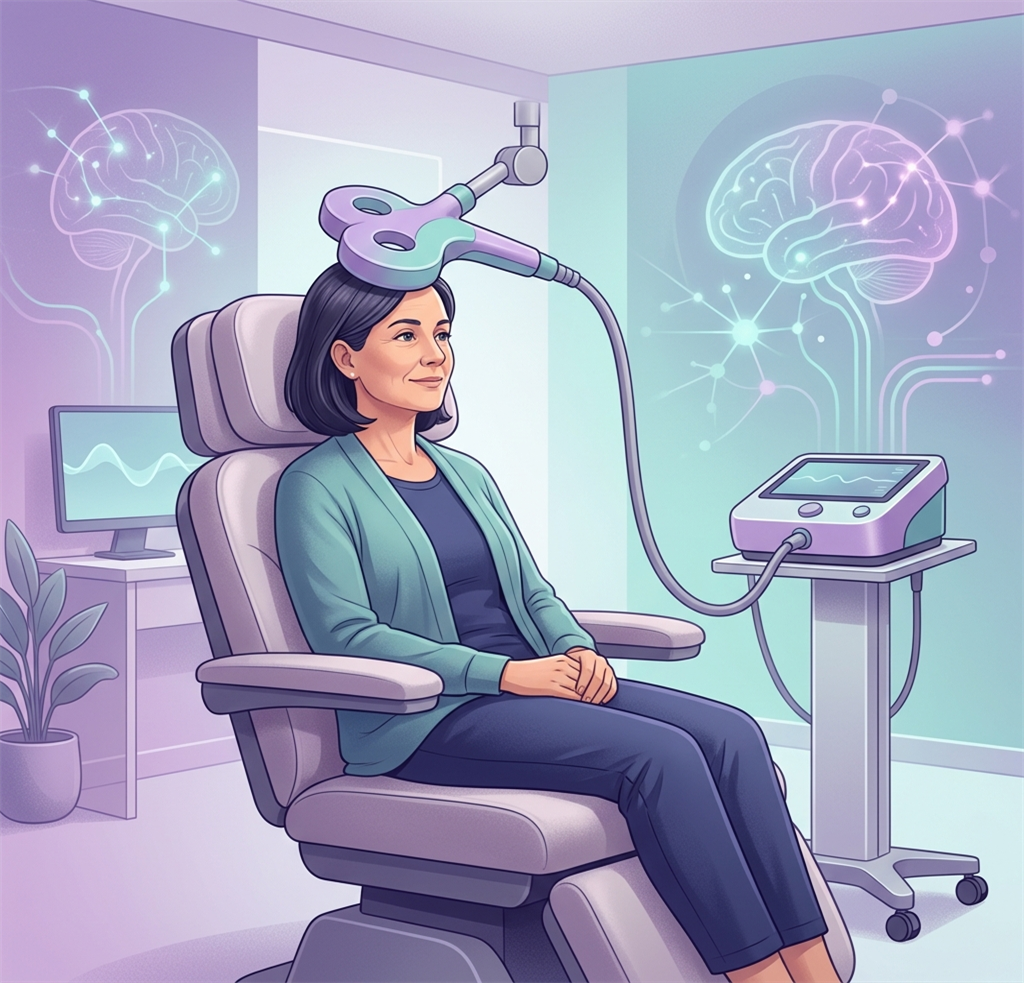
When considering a new treatment for depression or anxiety, one of the first questions most patients ask is: "What are the side effects?" For individuals who have struggled with the systemic side effects of traditional antidepressants—such as weight gain, sexual dysfunction, and fatigue—the prospect of TMS (Transcranial Magnetic Stimulation) can seem almost too good to be true.
Because TMS is a non-systemic, non-invasive treatment, its side effect profile is vastly different from medication. In this comprehensive guide, we will break down the common and rare side effects of TMS therapy, how long they last, and why it has become a preferred option for patients seeking relief without the heavy burden of medication side effects.
Common Side Effects of TMS Therapy
The majority of patients tolerate TMS therapy extremely well. Because the treatment uses magnetic fields to stimulate specific areas of the brain (rather than chemicals that travel throughout the entire body), the side effects are localized to the treatment area. The most common side effects include:
- Scalp Discomfort: The most frequently reported side effect is a mild tapping, tingling, or uncomfortable sensation on the scalp at the treatment site. This occurs during the magnetic pulses.
- Mild Headaches: About half of patients report mild headaches following their initial sessions. These are typically easily managed with over-the-counter pain relievers like ibuprofen or acetaminophen.
- Facial Muscle Twitching: Some patients experience slight twitching of the jaw or facial muscles during the treatment pulse. This stops immediately when the pulse ends.
- Lightheadedness: A very small percentage of patients may feel briefly lightheaded immediately following a session, though this is rare.
Rare but Serious Side Effects
While TMS is highly safe, it is a medical procedure and carries a very small risk of more serious side effects.
- Seizures: The most significant risk associated with TMS is a seizure. However, this risk is exceedingly rare—occurring in less than 0.1% of patients. The risk is comparable to or lower than the seizure risk associated with many common antidepressant medications.
- Hearing Issues: Because the TMS machine produces a loud clicking sound (similar to an MRI machine), there is a theoretical risk of hearing damage. However, patients are provided with earplugs during every session, which effectively eliminates this risk.