Specialized, safe treatment for women's unique mental health needs including postpartum depression, perinatal mood disorders, and hormone-related mood conditions.
Women's mood disorders encompass a range of mental health conditions that are influenced by hormonal changes, reproductive events, and unique biological factors. These conditions can occur during pregnancy, postpartum, menstrual cycles, or menopause and significantly impact emotional well-being and daily functioning.
Mood changes after childbirth affecting mother-infant bonding
Depression and anxiety during pregnancy and after delivery
Severe mood symptoms before menstruation
Mood changes during menopausal transition
Take our confidential assessment to explore whether TMS therapy could provide the relief you need during this important time in your life.
Take the Women's Health AssessmentWomen experience unique mental health challenges influenced by hormonal fluctuations, reproductive life stages, and biological factors that require specialized understanding and care.
Fluctuations in estrogen, progesterone, and other hormones can significantly impact mood, anxiety, and emotional regulation.
Pregnancy, childbirth, menstruation, and menopause represent critical periods when mood disorders may emerge or worsen.
Women may experience different symptom presentations requiring specialized diagnostic and treatment approaches.
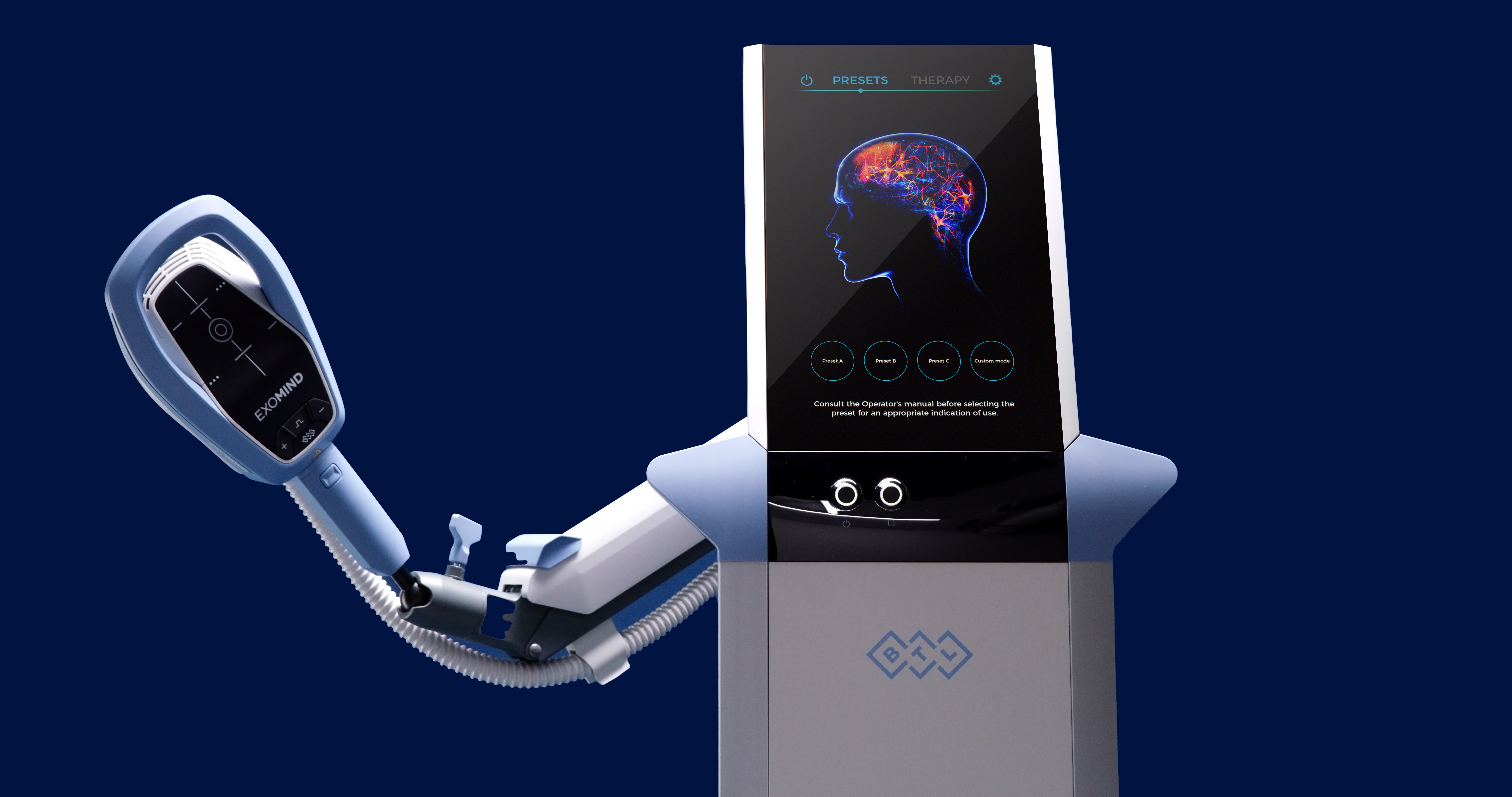
TMS therapy offers a safe, non-medication approach to treating women's mood disorders, particularly beneficial during pregnancy, postpartum, and for those who want to avoid medications.
Non-invasive treatment with no systemic effects, making it suitable for pregnant and breastfeeding women.
Works independently of hormonal systems while addressing mood regulation in the brain.
Provides relief without the concerns of medication side effects or interactions during reproductive years.
Research demonstrates TMS therapy's effectiveness for perinatal and postpartum depression, with studies showing significant improvement in maternal mood without adverse effects on fetal development or breastfeeding.
Our specialized approach to women's mood treatment is designed to support you through every stage of your journey with compassionate, evidence-based care.
Comprehensive evaluation considering reproductive history, hormonal factors, and life stage-specific concerns.
Customized TMS protocol designed for your specific condition, whether pregnancy-related, hormonal, or life-stage specific.
Regular sessions in a comfortable, supportive environment. Safe during pregnancy and while breastfeeding.
Continuous monitoring and adjustment, with coordination of care with your OB-GYN or other healthcare providers as needed.
Our team specializes in women's mental health, understanding the unique challenges and providing compassionate, expert care throughout all life stages.
Extensive experience treating mood disorders specific to women's reproductive health.
Specialized training in pregnancy and postpartum mental health care.
Collaboration with OB-GYNs, midwives, and other women's health providers.
Holistic approach addressing physical, emotional, and lifestyle factors.
Non-invasive treatment with no medication exposure to baby during pregnancy or through breast milk.
No concerns about medication effects on fertility or future pregnancies.
TMS doesn't interact with birth control, hormone therapy, or natural hormonal cycles.
Many women notice improvement within weeks, crucial during time-sensitive periods like postpartum.
You don't have to struggle alone. Our specialized women's mental health team is here to provide the compassionate, expert care you deserve during this important time.
Yes, TMS is considered safe during pregnancy. Unlike medications that circulate through the bloodstream and cross the placenta, TMS is a localized treatment that targets only the mother's brain, with no systemic exposure to the developing baby.
Absolutely. TMS does not enter breast milk, making it an excellent option for breastfeeding mothers who wish to avoid the potential risks of antidepressants passing to their infant.
TMS works by stimulating the underactive brain circuits involved in mood regulation. In postpartum depression, this helps restore balance and alleviate symptoms like severe sadness, anxiety, and detachment, helping mothers bond better with their babies.
No, TMS is a neurological treatment, not a hormonal one. It does not interfere with your body's natural hormone production, menstrual cycles, or hormone replacement therapies.
"Better" depends on the individual, but many women prefer TMS because it avoids the risks of medication exposure to the fetus or infant. It is also an effective option for those who haven't responded well to antidepressants or cannot tolerate their side effects.