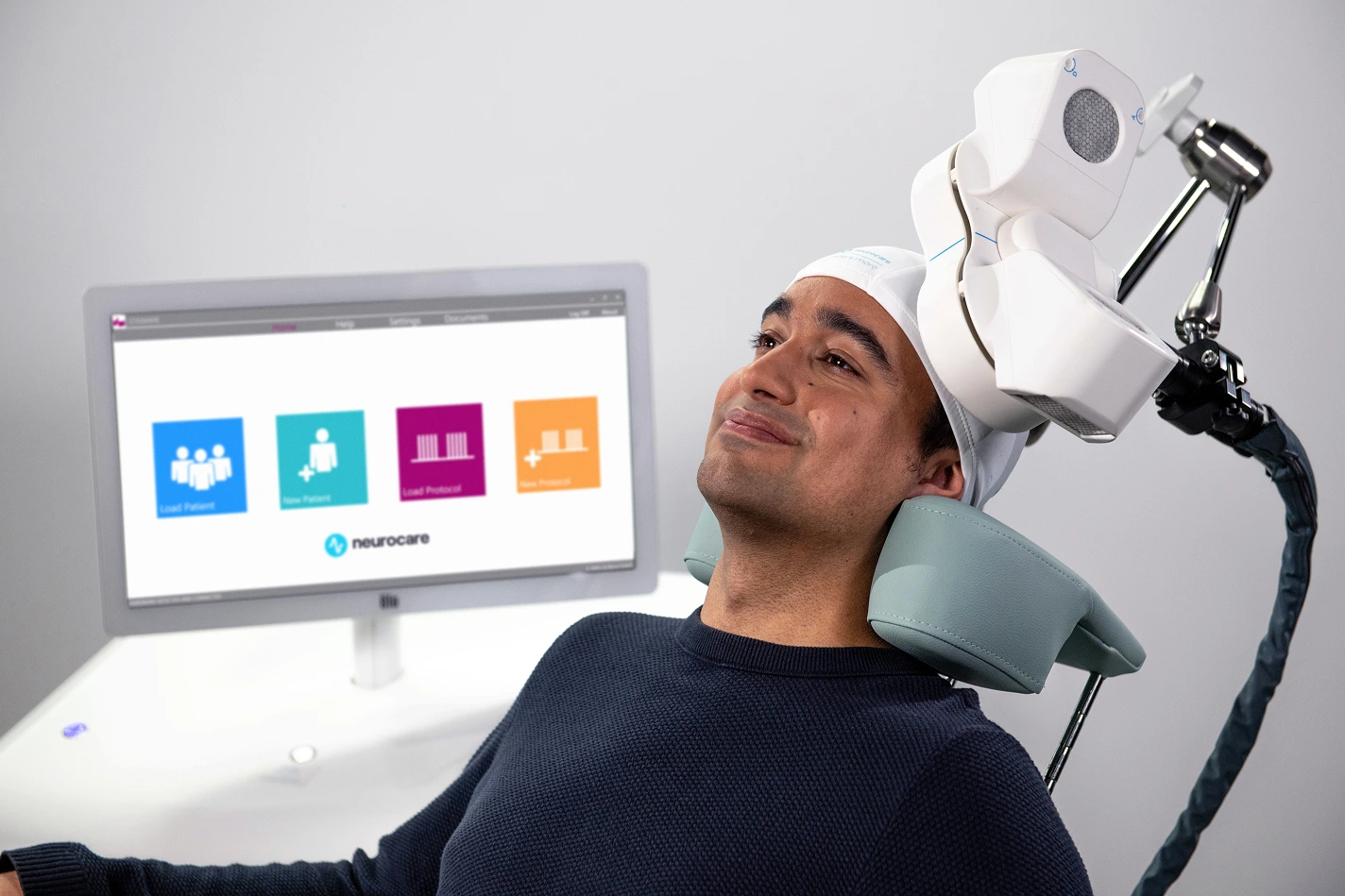
FDA-approved, non-invasive treatment that offers new hope for those with treatment-resistant depression.
Depression is more than just feeling sad or going through a rough patch. It's a serious mental health condition that affects how you feel, think, and handle daily activities. Major depressive disorder impacts millions of people worldwide and can significantly interfere with work, relationships, and overall quality of life.
Take our comprehensive assessment to determine if you're a candidate for TMS therapy. This confidential evaluation takes just 5 minutes and can be the first step toward recovery.
Take the TMS AssessmentTranscranial Magnetic Stimulation (TMS) uses targeted magnetic pulses to stimulate specific areas of the brain associated with mood regulation, offering hope where traditional treatments may have failed.
TMS precisely targets the prefrontal cortex, the brain region responsible for mood regulation and often underactive in depression.
Magnetic pulses promote the growth of new neural connections, helping restore healthy brain function over time.
Treatment helps normalize neurotransmitter levels, particularly serotonin and norepinephrine, which regulate mood.
TMS therapy has been extensively studied and proven effective for depression treatment. Clinical trials show that approximately 60-70% of patients with treatment-resistant depression experience significant improvement with TMS therapy.
Our specialized approach combines cutting-edge technology with compassionate care, tailored specifically for your unique depression treatment needs.
Specialized experience treating various forms of depression, including treatment-resistant cases.
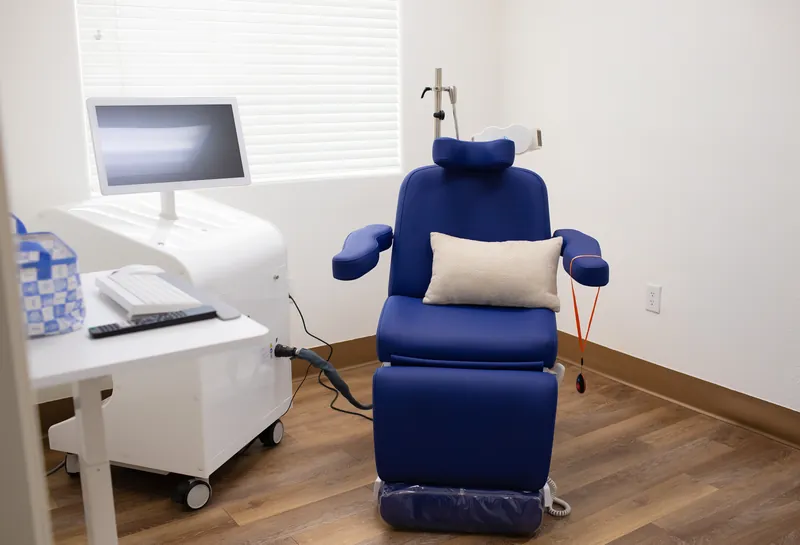
State-of-the-art TMS equipment with precise targeting for optimal depression treatment outcomes.
Individualized treatment protocols designed specifically for your depression symptoms and history.
Track record of helping patients achieve lasting recovery from depression symptoms.
No surgery, anesthesia, or sedation required. Patients remain fully conscious and alert during treatment.
Unlike medications, TMS has no systemic side effects. Most patients experience only mild scalp discomfort.
Treatment sessions last 20-40 minutes. Patients can drive themselves and return to normal activities immediately.
Most insurance plans cover TMS therapy for treatment-resistant depression.
Our comprehensive approach ensures you feel informed, comfortable, and supported throughout your TMS journey.
Comprehensive evaluation of your depression history, symptoms, and previous treatments to determine TMS candidacy.
Precise measurement and mapping to identify the optimal treatment location specific to your brain anatomy.
Daily 20-minute sessions for 6-8 weeks. You'll remain awake and can read, listen to music, or relax.
Regular assessments track your improvement and adjust treatment parameters as needed for optimal results.
Take the first step toward overcoming depression with TMS therapy at Karma TMS. Our compassionate team is here to support you every step of the way.
This is known as Treatment-Resistant Depression (TRD). TMS therapy is FDA-cleared specifically for this condition. It works differently than medications by directly stimulating the underactive brain regions associated with depression, often providing relief when antidepressants have failed.
Response times vary, but many patients begin to notice improvements in their mood, energy, and sleep patterns within 2 to 4 weeks of starting treatment. The full benefit is typically realized upon completion of the 6-week course.
Yes, most major insurance providers cover TMS therapy for the treatment of Major Depressive Disorder, typically after a patient has tried one or more antidepressant medications without success. We can help verify your specific benefits.
TMS is generally well-tolerated with few side effects. The most common is mild scalp discomfort or a headache during or after treatment, which typically diminishes as your body adjusts to the therapy. Unlike medications, it does not cause weight gain, sexual dysfunction, or drowsiness.
Yes, in many cases, patients continue their current medication regimen during TMS. Your treatment plan will be coordinated with your psychiatrist to determine the best approach for your specific needs.