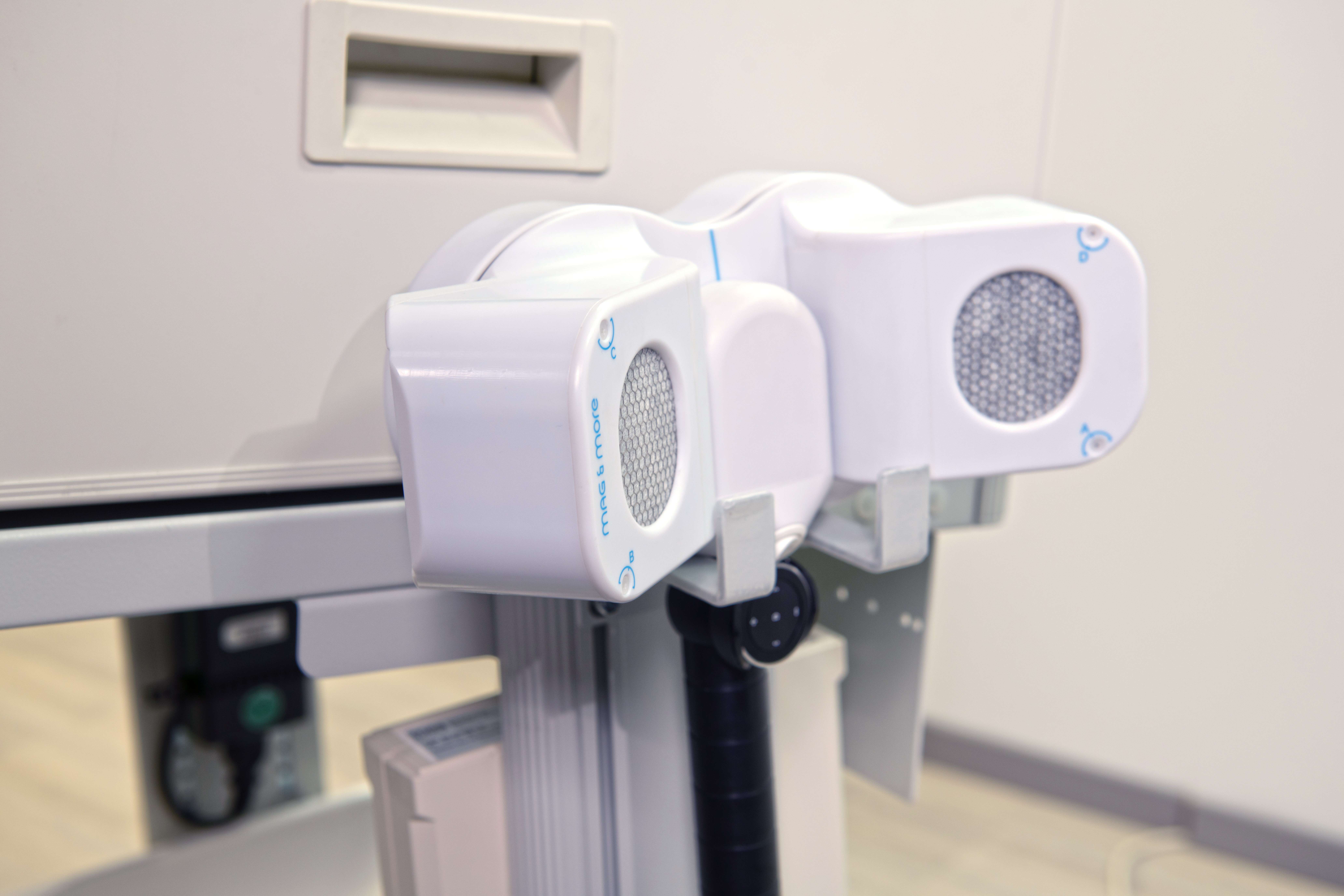
Innovative brain stimulation therapy that can support addiction recovery by targeting the neural circuits involved in cravings, decision-making, and impulse control.
Addiction is a complex brain disorder that affects the neural circuits involved in reward, motivation, and decision-making. It's characterized by compulsive engagement in rewarding behaviors despite harmful consequences, and recovery requires addressing both the behavioral and neurological aspects of the condition.
Persistent thoughts and desires for substances or behaviors
Difficulty resisting immediate gratification
Impaired ability to make healthy choices
Depression, anxiety, and other mental health conditions
Explore how TMS therapy could complement your addiction recovery program. Take our confidential assessment to learn about this innovative treatment approach.
Take the Recovery AssessmentTMS therapy can be a valuable addition to comprehensive addiction treatment by targeting the brain circuits involved in cravings, impulse control, and decision-making processes.
Targets brain areas involved in cravings and reward processing, potentially reducing substance or behavioral urges.
Strengthens prefrontal cortex function, improving decision-making and resistance to immediate gratification.
Addresses co-occurring depression and anxiety that often complicate addiction recovery.
Research on TMS for addiction is rapidly evolving, with promising results for various substances including alcohol, cocaine, nicotine, and other addictive behaviors. TMS is typically used as part of a comprehensive treatment program alongside therapy, support groups, and other interventions.
We understand that addiction recovery is a journey that requires compassionate, non-judgmental care and innovative treatment approaches tailored to each individual's unique needs.
Specialized understanding of addiction and recovery processes with compassionate care.
Coordination with addiction counselors, therapists, and other recovery professionals.
Treatment protocols based on the latest addiction neuroscience research.
Safe, supportive environment that respects your recovery journey.
Works alongside traditional addiction therapies, counseling, and support groups.
No risk of dependency or abuse potential, making it safe for those in recovery.
Targets the neurological aspects of addiction rather than just managing symptoms.
May help reduce cravings and improve ability to participate in recovery programs.
Our approach to addiction recovery support is compassionate, respectful, and designed to complement your existing recovery program while addressing the neurological aspects of addiction.
Comprehensive evaluation of your addiction history, recovery goals, and current treatment plan.
Collaboration with your existing recovery team to ensure TMS complements your current treatment.
Gentle, non-judgmental treatment sessions designed to support your recovery journey.
Ongoing support and monitoring to ensure treatment enhances your overall recovery process.
Recovery is a journey that deserves every possible support. Discover how TMS therapy can complement your recovery program and help strengthen your path to lasting wellness.
Deep TMS is FDA-cleared for smoking cessation. Research is also supporting its efficacy for other dependencies, including alcohol, cocaine, and opioid use disorders, often used off-label to help with cravings and impulse control.
Yes, one of the primary mechanisms of TMS in addiction treatment is the reduction of cravings. By stimulating the brain's reward processing centers (like the insula and prefrontal cortex), it can help dampen the urge to use substances.
TMS is most effective when used as part of a comprehensive recovery plan that includes counseling, support groups, and medical management. It is a powerful tool to support your recovery efforts, not a replacement for them.
This varies by individual. Some start during early recovery to help manage intense cravings, while others use it later to address persistent post-acute withdrawal symptoms or co-occurring depression. We can help determine the best timing for you.
Deep TMS for Smoking Cessation is increasingly covered by some insurance plans. For other addictions, coverage may vary or it may be considered an off-label use. However, if you have co-occurring depression, treatment may be covered under a depression diagnosis.