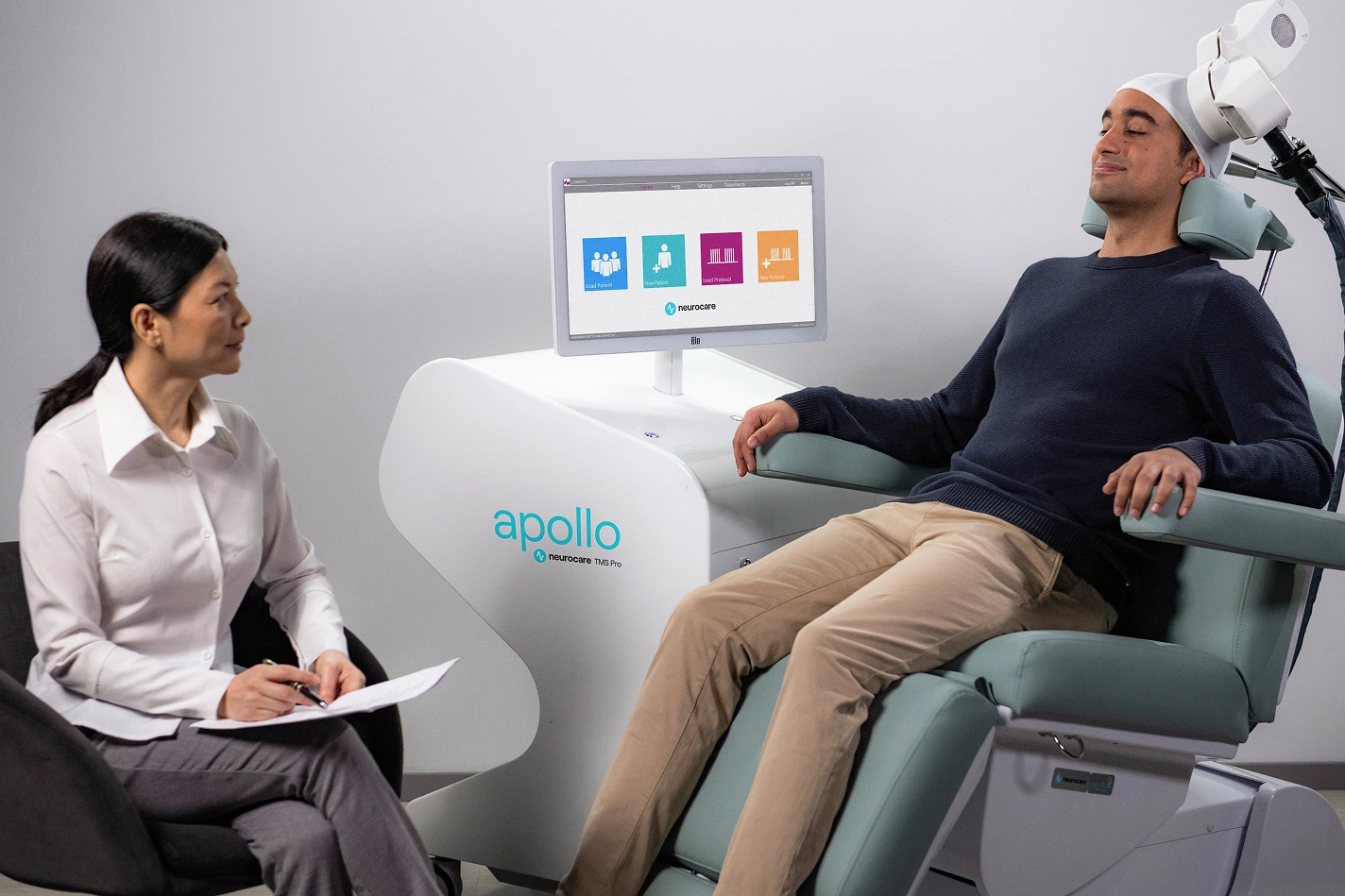
Innovative, non-invasive treatment that targets the root causes of anxiety in the brain, offering lasting relief from persistent worry and fear.
Anxiety disorders represent a group of mental health conditions characterized by excessive fear, worry, or nervousness that significantly impacts daily functioning. Unlike normal anxiety that everyone experiences, anxiety disorders involve persistent, overwhelming feelings that don't match the actual threat level of situations.
Excessive worry, restlessness, fatigue
Sudden panic attacks, heart palpitations
Fear of social situations, avoidance behavior
Intense fear of specific objects or situations
Our specialized anxiety assessment evaluates your symptoms and treatment history to determine if TMS therapy could provide the relief you've been seeking.
Take the Anxiety AssessmentTMS therapy for anxiety targets specific brain regions responsible for fear processing and emotional regulation, helping to reduce overactive anxiety responses.
TMS helps modulate the amygdala, the brain's fear center, reducing hypervigilance and excessive worry responses.
Stimulation strengthens the prefrontal cortex's ability to regulate emotional responses and rational thinking.
Treatment helps restore balance between excitatory and inhibitory neural networks involved in anxiety.
Emerging research demonstrates TMS therapy's effectiveness for various anxiety disorders, with many patients experiencing significant symptom reduction when traditional treatments haven't provided adequate relief.
Our specialized approach to anxiety treatment combines evidence-based protocols with personalized care to address your unique anxiety symptoms and triggers.
Extensive experience treating various anxiety disorders with customized TMS protocols.
Thorough evaluation of anxiety symptoms, triggers, and co-occurring conditions.
Treatment parameters adjusted specifically for your anxiety type and severity.
Continuous monitoring and adjustment throughout your anxiety treatment journey.
Avoid the side effects of anti-anxiety medications while achieving symptom relief.
Address the underlying neural circuits involved in anxiety rather than just symptoms.
Unlike some medications, TMS doesn't impair memory, concentration, or alertness.
Can be combined safely with therapy and other anxiety management strategies.
Our anxiety-focused treatment approach is designed to help you feel comfortable and informed while targeting the specific neural circuits involved in your anxiety symptoms.
Comprehensive evaluation of your anxiety symptoms, triggers, and impact on daily life to customize treatment.
Development of personalized TMS protocol targeting the specific brain regions involved in your anxiety type.
Regular sessions help reduce anxiety symptoms progressively, with many patients noticing changes within 2-3 weeks.
Development of strategies to maintain improvements and prevent anxiety symptoms from returning.
Don't let anxiety control your life. Discover how TMS therapy can help you regain confidence and peace of mind with our specialized anxiety treatment protocols.
Yes, TMS shows promising results for Generalized Anxiety Disorder. By targeting the brain's emotional regulation centers, it can often help reduce the persistent worry and physical tension associated with GAD.
TMS avoids the systemic side effects common with anti-anxiety medications (such as benzodiazepines), like drowsiness, dependency risk, and cognitive fogginess. It is a non-systemic treatment acting directly on the brain.
Many patients experience robust and durable relief that can last for months or even years. Maintenance sessions can be scheduled if symptoms begin to return, ensuring long-term management.
TMS is generally calming. While some patients may feel a temporary increase in alertness or mild anxiety during the very first sessions due to the novelty of the procedure, the treatment itself is designed to lower anxiety levels, not increase them.
Deep TMS has received FDA clearance for the treatment of Anxious Depression (depression with anxiety symptoms). For pure anxiety disorders, it is often used effectively off-label, supported by a growing body of clinical research.