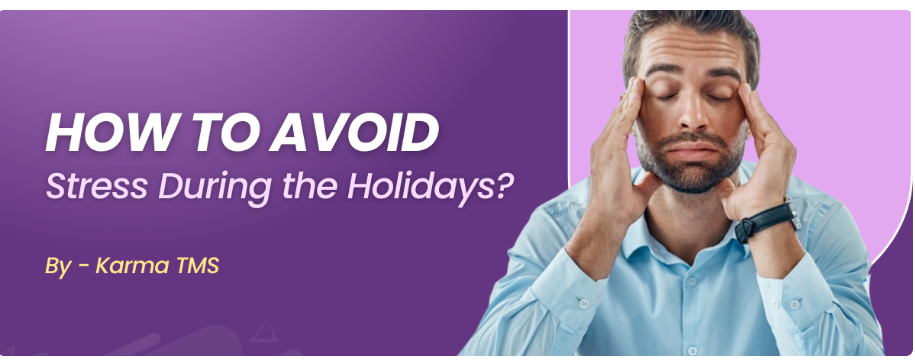
The holiday season should be a time of joy, connection, and celebration. However, for many people, it becomes a source of significant stress and anxiety. Between financial pressures, family obligations, social commitments, and the pressure to create perfect holiday experiences, it's easy to feel overwhelmed.
According to the American Psychological Association, 38% of people report their stress levels increase during the holidays. This heightened stress can lead to anxiety, depression, and physical health problems. Understanding how to manage holiday stress is crucial for maintaining your mental wellness during this busy season.
In this comprehensive guide, we'll explore why the holidays can be so stressful and provide seven practical, evidence-based strategies to help you navigate the season with greater ease and enjoyment.
Why Are the Holidays So Stressful?
Understanding the root causes of holiday stress can help you better prepare and respond to these challenges. Here are the most common stressors people experience during the holiday season:
Gifts, travel, food, decorations, and entertainment can strain budgets.
Shopping, cooking, decorating, and attending events compress into a short period.
Complicated relationships and unresolved conflicts can resurface.
Missing loved ones who have passed or are absent can intensify emotions.
Other stressors include:
- Social Expectations: Pressure to attend events, host gatherings, and maintain appearances.
- Disrupted Routines: Changes in sleep, exercise, and eating patterns affect mental health.
- Perfectionism: Unrealistic expectations to create "perfect" holiday experiences.
7 Practical Tips to Avoid Holiday Stress
1 Plan Early and Stay Organized
One of the most effective ways to reduce holiday stress is to start planning early and stay organized throughout the season. Last-minute rushes significantly increase anxiety and lead to poor decisions.
- Create a master calendar with all events, deadlines, and commitments
- Make shopping lists early and spread purchases over several weeks
- Prepare and freeze meals ahead of time
- Delegate tasks to family members to share the workload
2 Set Realistic Expectations
Perfectionism is a major source of holiday stress. Social media and advertising create unrealistic images of what holidays "should" look like. Remember that no holiday is perfect, and that's perfectly okay.
- Accept that some things won't go as planned—and that's okay
- Focus on meaningful connections rather than perfect presentations
- Let go of traditions that no longer serve you or your family
- Remember that imperfect moments often become the best memories
3 Spend Wisely and Set a Budget
Financial stress is one of the top holiday stressors. Creating and sticking to a realistic budget can significantly reduce anxiety and prevent post-holiday financial regret.
Budget-Friendly Approaches:
- Set a total holiday budget and allocate amounts for each category
- Consider homemade gifts, which are often more meaningful
- Suggest gift exchanges or Secret Santa with spending limits
- Focus on experiences rather than material gifts
- Track spending regularly to avoid overspending
4 Prioritize Self-Care
During the busy holiday season, self-care often falls by the wayside. However, maintaining your physical and mental health is essential for managing stress effectively.
Essential Practices: Maintain regular sleep schedules (7-9 hours), continue exercise routines (even 15 minutes helps), practice mindfulness daily, and stay connected with supportive friends.
5 Learn to Say No
One of the most powerful stress management tools is the ability to decline commitments that don't align with your priorities or capacity. Saying no isn't selfish—it's an act of self-preservation and authenticity.
"No is a complete sentence."
Be clear and direct: "Thank you for thinking of me, but I won't be able to attend." Don't over-explain or make excuses.
6 Stay Active
Physical activity is one of the most effective natural stress relievers. Exercise releases endorphins, improves mood, and helps regulate sleep patterns—all crucial during the stressful holiday season.
Try taking family walks after meals, parking farther away when shopping, or doing quick 15-minute home workouts.
7 Eat and Drink in Moderation
Holiday gatherings often involve abundant food and alcohol. While it's okay to indulge, excessive consumption can negatively impact mood, energy levels, sleep quality, and overall stress management.
- Eat regular meals throughout the day to avoid overeating at events
- Stay hydrated—drink water between alcoholic beverages
- Limit alcohol intake—it can worsen anxiety and depression
- Balance indulgent meals with nutrient-rich options
Conclusion
The holidays don't have to be a time of overwhelming stress and anxiety. By implementing these seven practical strategies—planning early, setting realistic expectations, budgeting wisely, prioritizing self-care, learning to say no, staying active, and eating in moderation—you can significantly reduce holiday stress and actually enjoy this special time of year.
Remember that the true spirit of the holidays is about connection, gratitude, and joy—not perfection. If you find yourself struggling with persistent stress, anxiety, or depression during the holidays or at any time of year, professional help is available.
At Karma TMS PC, our experienced mental health professionals in Palm Springs, Rancho Mirage, and Twentynine Palms offer comprehensive mental health services including medication management, therapy, and innovative treatments like TMS therapy for treatment-resistant depression and anxiety. We're here to support your mental wellness journey year-round.
This holiday season, give yourself the gift of peace of mind. Reach out to our team to learn more about how we can help you manage stress and improve your mental health.

About the Author
Dr. Keerthy Sunder
Board-certified psychiatrist specializing in TMS therapy and integrative psychiatry. Delivering advanced, evidence-based treatments to the Palm Springs community.
Frequently Asked Questions
Prioritize Your Mental Health This Season
You don't have to navigate holiday stress alone. We are here to help.
Related Articles

What are the 4 A's of Stress Management?
Discover the 4 A's of stress management: Avoid, Alter, Adapt, and Accept. Learn practical strategies to reduce stress.
Read More
Mindfulness Practices for Stress Management
Discover evidence-based mindfulness practices for stress management and anxiety reduction.
Read More
Managing Anxiety Triggers in Everyday Life
Learn practical strategies to identify and manage anxiety triggers effectively in your daily routine.
Read More