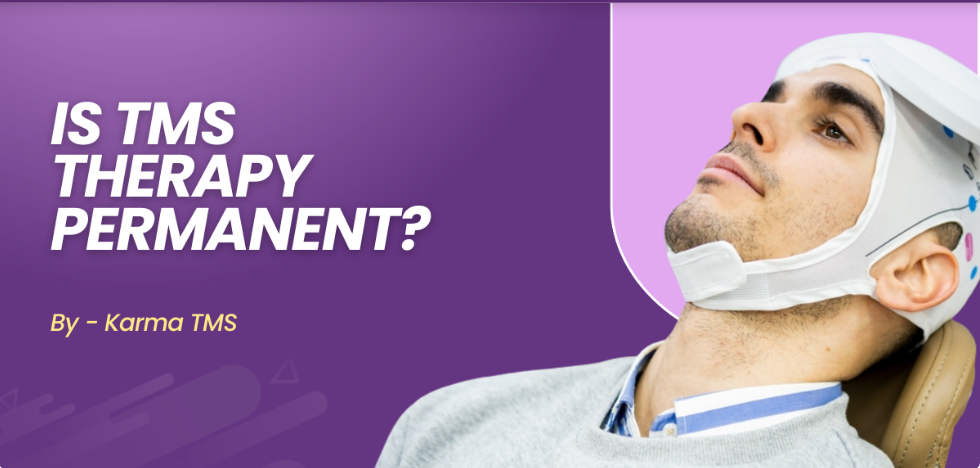
When you’ve tried antidepressants, switched medications, adjusted dosage, waited weeks for results, and still feel stuck, one question naturally comes up: Is TMS therapy actually worth it?
It’s a fair question. Time is valuable. Money matters. Your mental health is deeply personal. If you're considering Transcranial Magnetic Stimulation (TMS), you deserve a transparent, no-hype answer.
This guide walks you through what TMS really offers, who benefits most, potential drawbacks, and how to decide if it’s right for you.
First, What Is TMS Therapy?
Transcranial Magnetic Stimulation (TMS) is a non-invasive, FDA-approved brain stimulation treatment primarily used for:
- Major Depressive Disorder (MDD)
- Treatment-resistant depression
- OCD (in some protocols)
- Depression with anxiety features
TMS uses targeted magnetic pulses to stimulate areas of the brain associated with mood regulation, particularly the left dorsolateral prefrontal cortex.
Unlike medications, TMS:
- Does not circulate through your bloodstream
- Does not require anesthesia
- Does not cause systemic side effects
- Does not involve surgery
Why Are So Many People Asking If It’s Worth It?
Because depression is exhausting.
People considering TMS often fall into one of these categories:
- They’ve tried 2+ antidepressants without success
- Medications caused unbearable side effects
- They want a non-drug option
- They feel emotionally numb and disconnected
- They’re tired of trial-and-error treatment
What “Worth It” Actually Means
“Worth it” isn’t just about symptom reduction. It includes:
- Financial investment
- Time commitment
- Side effect profile
- Emotional improvement
- Functional recovery
- Long-term sustainability
We’ll evaluate each one honestly.
1. Does TMS Actually Work?
The Short Answer: For Many People, Yes.
Clinical studies show:
- 50–60% of patients experience significant improvement
- 30–40% achieve full remission
- Many report sustained benefits
TMS is especially effective for treatment-resistant depression, when medications have failed. Patients often report increased motivation, improved focus, better sleep, emotional clarity, and a return of joy.
2. How Does It Compare to Medication?
Let’s compare directly.
| Feature | Antidepressants | TMS Therapy |
|---|---|---|
| Scope | Affect entire brain/body chemistry | Targets specific brain region |
| Side Effects | Weight gain, libido impact, etc. | Minimal local discomfort |
| Routine | Daily pill | Office visits (temporarily) |
| Dependence | Ongoing use often required | Course of treatment, potential maintenance |
Many patients choose TMS because they want to avoid medication dependency or side effects. That said, TMS is not necessarily a replacement for medication in every case. It can also be combined with ongoing psychiatric care.
3. What About Side Effects?
This is where TMS stands out.
Common Side Effects
- Mild scalp discomfort
- Temporary headache
- Tingling at treatment site
Rare Risks
- Seizure (extremely rare, less than 0.1%)
Unlike medications or ECT, there are no memory problems, cognitive impairment, sedation, or emotional blunting.
4. The Time Commitment: Is It Practical?
Standard TMS protocol:
- 5 sessions per week
- 20-30 minutes per session
- 4-6 weeks total
That sounds like a lot, until you compare it to years of medication adjustments. Many patients schedule treatments during lunch breaks or before/after work.
5. The Financial Question
This is often the biggest concern. TMS can cost several thousand dollars without insurance.
But here’s the good news: Most major insurance plans, including Medicare and many private insurers, cover TMS for treatment-resistant depression when criteria are met.
Coverage typically requires:
- Failed trials of antidepressants
- Formal diagnosis of Major Depressive Disorder
- Documentation of symptom severity
Our team at Karma TMS helps verify insurance and guide eligibility, so you’re not navigating paperwork alone.
What has untreated depression already cost you?
- Missed work & reduced productivity
- Relationship strain
- Physical health decline
- Lost experiences
6. Long-Term Results: Does It Last?
Many patients maintain improvements for months or years. Some individuals may benefit from occasional maintenance sessions or booster treatments.
TMS doesn’t “wear off” abruptly. It strengthens neural pathways over time, promoting more stable mood regulation.
7. Who Is TMS Most Worth It For?
Ideal Candidates
- Treatment-resistant depression
- Individuals sensitive to medication side effects
- Professionals needing mental clarity
- Older adults avoiding polypharmacy
- Patients with depression and anxiety overlap
May Not Be Ideal For
- Individuals with untreated bipolar mania
- People with certain implanted metal devices
- Those seeking instant overnight change
8. The Emotional Experience of TMS
Patients often describe TMS as:
- Subtle at first
- Gradually energizing
- Mentally “clearing”
- Emotionally steadying
Some say: “It feels like my brain finally woke up.” Unlike medications that can blunt emotions, TMS often restores emotional range.
9. What Happens If It Doesn’t Work?
Not everyone responds. That’s important to acknowledge. If TMS doesn’t produce results, your provider reassesses your plan, exploring alternative protocols or other psychiatric interventions.
There’s no permanent downside to trying it. Unlike medication trials, stopping TMS doesn’t trigger withdrawal symptoms.
10. Comparing TMS to Other Advanced Treatments
| Treatment | Pros | Cons |
|---|---|---|
| TMS | No anesthesia, no systemic side effects, office-based | Daily commitment |
| ECT | Highly effective | Requires anesthesia, possible memory loss, invasive |
| Ketamine Therapy | Rapid symptom relief | Requires monitoring, dissociative effects, ongoing infusions |
11. Mental Health in Palm Springs & Surrounding Areas
Communities like Palm Springs, 29 Palms, and Rancho Mirage are vibrant but not immune to mental health struggles. Retirees, military families, and professionals all face unique challenges. TMS offers a discreet, modern option for those seeking recovery without stigma.
12. Realistic Expectations & The Quality-of-Life Factor
TMS Is Not:
- A personality change
- A magic cure
- Instant relief
TMS Is:
- A neuroscience-based treatment
- Gradual and structured
- Clinically validated
- Often transformative
The “worth” often becomes clear by week 3 or 4. Patients report waking up without dread, re-engaging socially, returning to hobbies, improved productivity, and stronger relationships.
Frequently Asked Questions (FAQs)
Conclusion
For someone who has struggled for years, feels trapped in medication cycles, wants a non-invasive solution, and is ready to commit to structured treatment, the answer is often yes.
Not because it’s trendy. Not because it’s new. But because it’s effective, targeted, and grounded in neuroscience.
Mental health isn’t just about survival, it’s about vitality. If depression has taken pieces of your life, TMS may help you reclaim them.
Final Thoughts from Karma TMS
At Karma TMS, we serve individuals across Palm Springs, 29 Palms, and Rancho Mirage with one goal: restoring functional, sustainable mental wellness.
Choosing TMS is not about desperation. It’s about informed empowerment.
If you’re wondering whether TMS therapy is worth it, the next step isn’t commitment, it’s conversation.
Schedule a consultation with Karma TMS today. Ask questions. Explore options.
Related Articles
How Successful Is TMS Treatment?
Dive deeper into the effectiveness and success rates of TMS.
Read More
Why TMS Requires Multiple Sessions
Understanding the reason behind the treatment schedule.
Read More