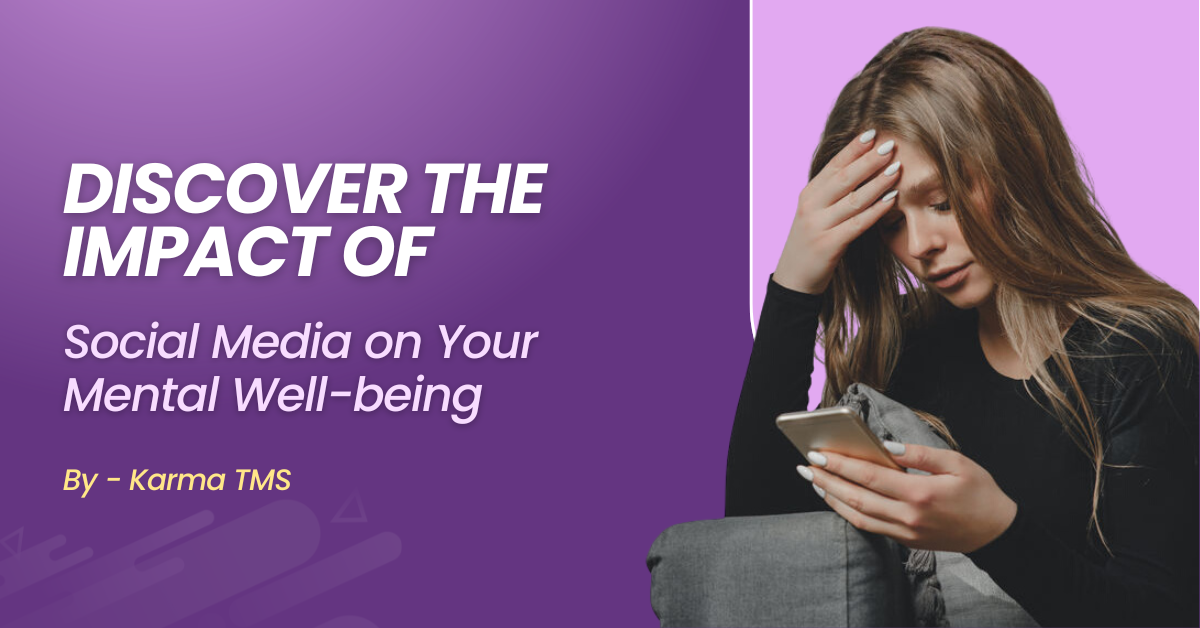
In today's hyperconnected world, social media has become an integral part of daily life for billions of people. While these platforms offer unprecedented opportunities for connection and self-expression, mounting research reveals a complex relationship between social media use and mental health. Understanding this impact is crucial for developing healthier digital habits and protecting your psychological wellbeing.
The Impact of Social Media on Mental Health
Alarming Statistics
Studies show that people who spend more than 3 hours daily on social media are twice as likely to experience symptoms of anxiety and depression. For young adults aged 18-25, this risk is even higher, with social media use strongly correlated with increased rates of mental health concerns.
Social media's influence on mental health operates through multiple psychological mechanisms. The constant exposure to curated, idealized versions of others' lives triggers social comparison, while the dopamine-driven feedback loops of likes and comments can create addictive patterns of use. Understanding these mechanisms helps us recognize when our social media habits might be affecting our wellbeing.
Negative Effects on Mental Wellbeing
Social Comparison and Low Self-Esteem
Constant exposure to others' highlight reels creates unrealistic standards and fuels feelings of inadequacy. This "comparison trap" is particularly damaging because we're comparing our behind-the-scenes reality to others' carefully curated public personas.
- Decreased self-worth and confidence
- Body image issues and eating disorders
- Feelings of failure or inadequacy
- Envy and resentment toward others
FOMO (Fear of Missing Out)
Social media amplifies the fear that others are having more rewarding experiences. This constant anxiety about missing out drives compulsive checking behaviors and prevents us from being present in our own lives.
Cyberbullying and Online Harassment
The anonymity and distance of digital platforms can enable cruel behavior. Cyberbullying has been linked to increased rates of depression, anxiety, and even suicidal ideation, particularly among adolescents and young adults.
Sleep Disruption
Blue light exposure from screens interferes with melatonin production, while the stimulating nature of social media content keeps our minds active when we should be winding down. Poor sleep quality, in turn, significantly impacts mental health.
Reduced Real-Life Social Connections
Paradoxically, heavy social media use often leads to decreased face-to-face interactions and feelings of loneliness. Digital connections cannot fully replace the emotional depth and support of in-person relationships.
Positive Aspects of Social Media
It's important to note that social media isn't inherently harmful. When used mindfully, these platforms can offer significant mental health benefits:
Community and Support
Finding like-minded individuals and support groups for mental health challenges
Self-Expression
Creative outlets for sharing thoughts, art, and experiences
Mental Health Awareness
Platforms for education, reducing stigma, and sharing resources
Maintaining Connections
Staying in touch with distant friends and family members
Warning Signs: When Social Media Harms Your Mental Health
Watch for these red flags:
- You feel anxious, depressed, or lonely after using social media
- You constantly compare yourself to others and feel inadequate
- You experience FOMO or panic when you can't check your accounts
- Your sleep quality has declined due to late-night scrolling
- You neglect real-life relationships and responsibilities
- You feel compelled to check notifications constantly
- Your self-esteem depends on likes, comments, and follower counts
Building Healthy Social Media Habits
Protecting your mental health doesn't necessarily mean quitting social media entirely. Instead, focus on developing a healthier relationship with these platforms:
1. Set Clear Boundaries
- Establish specific times for checking social media
- Use app timers to limit daily usage
- Create phone-free zones (bedroom, dinner table)
- Turn off non-essential notifications
2. Curate Your Feed Mindfully
- Unfollow accounts that trigger negative feelings
- Follow accounts that inspire and educate
- Join supportive communities aligned with your values
- Hide or mute content that consistently upsets you
3. Practice Mindful Engagement
- Ask yourself why you're opening an app before doing so
- Engage authentically rather than passively scrolling
- Take breaks from doomscrolling
- Be present in real-life moments instead of documenting everything
4. Schedule Digital Detoxes
- Take regular breaks from social media (daily, weekly, or monthly)
- Plan social media-free activities and vacations
- Notice how you feel during breaks from platforms
- Reconnect with offline hobbies and relationships

About the Author
Dr. Keerthy Sunder
Board-Certified Psychiatrist | Medical Director at KarmaTMS
Dr. Keerthy Sunder is a board-certified psychiatrist specializing in TMS therapy for veterans and treatment-resistant mental health conditions. With extensive experience in neuroscience and innovative treatment modalities, Dr. Sunder is dedicated to helping veterans overcome PTSD, depression, and anxiety through evidence-based, compassionate care.
Frequently Asked Questions
Need Support With Your Mental Health?
If social media or other factors are affecting your mental wellbeing, we're here to help. Contact us to learn about treatment options.
Related Articles
The Impact of Screen Time on Mental Health
Understand how excessive screen time affects mental wellness and strategies to find balance.
Read More
Tech And Mental Health: The Impact Of Technology
Explore both positive and negative effects of technology on mental health.
Read More
Managing Anxiety Triggers in Everyday Life
Learn practical strategies to identify and manage anxiety triggers effectively.
Read More