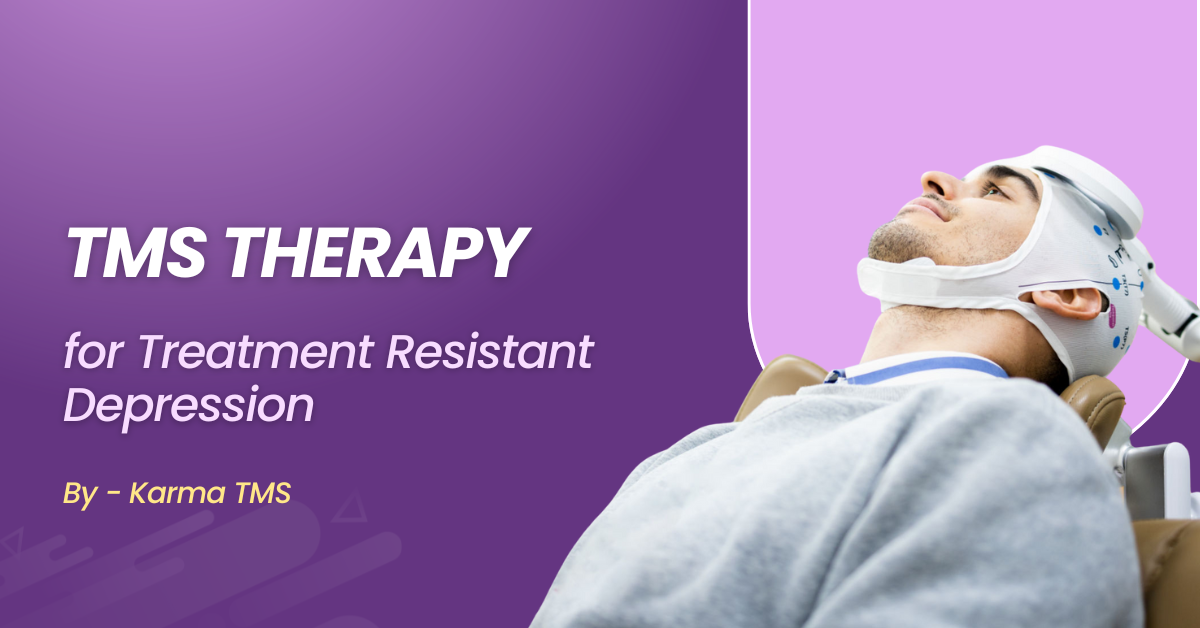
For millions of people living with depression, traditional treatments like medication and therapy provide significant relief. However, approximately 30-40% of individuals with major depressive disorder experience treatment-resistant depression (TRD), meaning they haven't found adequate relief after trying multiple antidepressants. For these individuals, Transcranial Magnetic Stimulation (TMS) therapy offers a scientifically proven, FDA-approved alternative that's transforming lives.
Understanding Treatment-Resistant Depression
What is Treatment-Resistant Depression?
Treatment-resistant depression is diagnosed when symptoms persist despite trying at least two different antidepressant medications at adequate doses and durations.
Living with treatment-resistant depression can feel hopeless, but it's important to understand that this is a medical condition, not a personal failure. Several factors can contribute to TRD:
- Genetic factors affecting medication metabolism
- Co-occurring mental health conditions
- Underlying medical conditions
- Unique brain chemistry and structure
- Previous trauma or chronic stress
How TMS Therapy Works for Treatment-Resistant Depression
TMS therapy uses magnetic pulses to stimulate specific areas of the brain that are underactive in people with depression. Unlike medications that affect your entire body, TMS directly targets the brain regions responsible for mood regulation.
The Science Behind TMS
Research shows that people with depression often have reduced activity in the left dorsolateral prefrontal cortex (DLPFC), a brain region crucial for mood regulation. TMS therapy delivers focused magnetic pulses to this area, stimulating neural activity and promoting the release of neurotransmitters like serotonin and dopamine.
Over the course of treatment, these repeated stimulations create lasting changes in brain circuitry, a process called neuroplasticity, which helps restore normal mood function.
Benefits of TMS for Treatment-Resistant Depression
Non-Invasive
No surgery, anesthesia, or hospitalization required
Minimal Side Effects
No weight gain, sexual dysfunction, or cognitive impairment
FDA-Approved
Cleared for treatment-resistant depression since 2008
Outpatient Treatment
Return to normal activities immediately after sessions
High Success Rates
50-60% of patients achieve significant symptom improvement
Lasting Results
Benefits often continue long after treatment completion
TMS Success Rates for Treatment-Resistant Depression
Clinical Evidence
Large-scale clinical studies demonstrate impressive success rates for TMS therapy in treating treatment-resistant depression:
- 50-60% of patients experience significant symptom improvement
- 30-40% achieve complete remission
- 70% maintain improvements at one-year follow-up
- Minimal side effects compared to medications
What to Expect During TMS Treatment
Initial Consultation
Meet with a psychiatrist to review your treatment history, symptoms, and determine if TMS is right for you.
Brain Mapping
Precise mapping to identify the optimal treatment location and determine the right magnetic pulse intensity for your brain.
Treatment Sessions
Attend sessions 5 days per week for 4-6 weeks. Each session lasts 20-40 minutes, and you can read, listen to music, or relax during treatment.
Progress Monitoring
Regular assessments to track symptom improvement. Many patients notice changes within 2-3 weeks.
Follow-Up Care
Continued support and maintenance planning to ensure lasting results. Some patients benefit from occasional maintenance sessions.
Who is a Good Candidate for TMS?
TMS therapy may be right for you if:
- You've been diagnosed with major depressive disorder
- You haven't found adequate relief from at least two antidepressant medications
- You experience intolerable side effects from medications
- You're looking for a non-medication option
- You don't have contraindications like metal implants in your head

About the Author
Dr. Keerthy Sunder
Board-Certified Psychiatrist | Medical Director at KarmaTMS
Dr. Keerthy Sunder is a board-certified psychiatrist specializing in TMS therapy for veterans and treatment-resistant mental health conditions. With extensive experience in neuroscience and innovative treatment modalities, Dr. Sunder is dedicated to helping veterans overcome PTSD, depression, and anxiety through evidence-based, compassionate care.
Frequently Asked Questions
Don't Give Up Hope
If traditional depression treatments haven't worked for you, TMS therapy could be the breakthrough you've been looking for. Schedule a free consultation to learn more.
Related Articles
Managing Anxiety Triggers in Everyday Life
Learn practical strategies to identify and manage anxiety triggers effectively.
Read More
The Role of Family Dynamics in Mental Health Recovery
Discover how family relationships influence mental health outcomes and recovery.
Read More
Mental Health First Aid: How to Help Someone in Crisis
Essential skills to recognize crisis signs and provide immediate support.
Read More