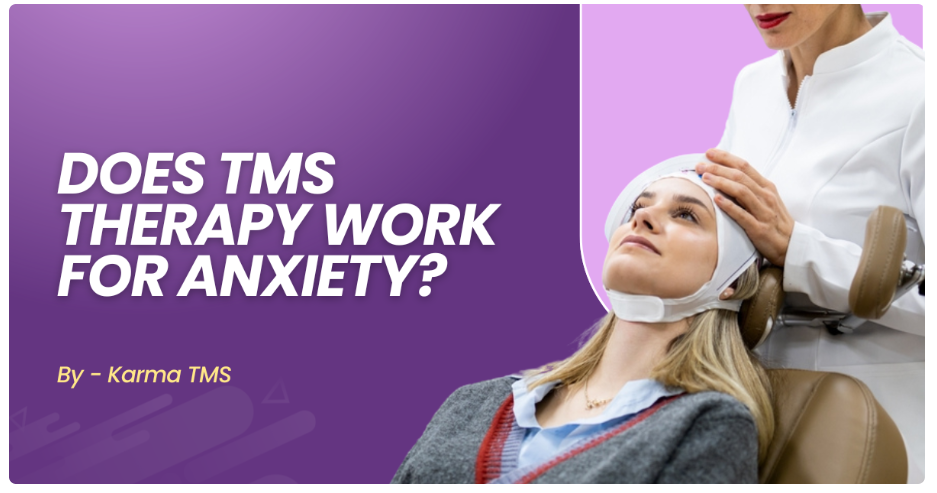
Anxiety can feel overwhelming, affecting every aspect of your life—from work performance to personal relationships. If you've been struggling with anxiety and traditional treatments haven't provided adequate relief, you might be wondering: does TMS therapy work for anxiety?
The answer is increasingly promising, with growing evidence supporting TMS as an effective treatment for various anxiety disorders.
Understanding Anxiety
Anxiety disorders are among the most common mental health conditions, affecting millions of people worldwide. While some level of anxiety is a normal part of life, anxiety disorders involve persistent, excessive worry that interferes with daily activities.
Common Anxiety Disorders Include:
- Generalized Anxiety Disorder (GAD)
- Panic Disorder
- Social Anxiety Disorder
- Post-Traumatic Stress Disorder (PTSD)
- Obsessive-Compulsive Disorder (OCD)
Traditional treatments for anxiety include medications (such as SSRIs, benzodiazepines) and psychotherapy (like cognitive-behavioral therapy). While these approaches help many people, approximately 30-40% of individuals don't achieve adequate relief or experience intolerable side effects from medications.
What Is TMS Therapy for Anxiety?
Transcranial Magnetic Stimulation (TMS) is a non-invasive treatment that uses magnetic pulses to stimulate specific areas of the brain associated with mood and anxiety regulation. Originally FDA-approved for depression, TMS has shown remarkable effectiveness in treating anxiety disorders as well.
How TMS Differs from Traditional Anxiety Treatments
No Systemic Side Effects
Unlike medications, TMS doesn't cause weight gain, sexual dysfunction, or cognitive impairment.
Non-Invasive
No surgery, anesthesia, or recovery time required.
Targeted Treatment
Directly stimulates brain regions involved in anxiety regulation.
No Dependency Risk
Unlike benzodiazepines, TMS has no potential for addiction.
How Does TMS Therapy Work for Anxiety?
TMS therapy works by targeting specific brain regions that are overactive or underactive in people with anxiety disorders. The most commonly targeted areas include the dorsolateral prefrontal cortex (DLPFC) and the right prefrontal cortex.
The Science Behind TMS for Anxiety
Research shows that anxiety disorders are associated with hyperactivity in certain brain regions and poor regulation between different brain networks. TMS uses focused magnetic pulses to:
- Calm overactive brain circuits responsible for excessive worry
- Strengthen connections between the prefrontal cortex and emotional centers
- Restore balance in neurotransmitter systems (like GABA and glutamate)
- Promote neuroplasticity—the brain's ability to form new, healthier patterns
Over the course of treatment, these targeted stimulations create lasting changes in brain function, helping to reduce anxiety symptoms naturally and sustainably.
Benefits of TMS Therapy for Anxiety
Effective for Treatment-Resistant Anxiety
TMS has shown 50-70% response rates for patients with anxiety disorders who haven't responded adequately to medications or therapy alone.
Minimal Side Effects
The most common side effect is mild scalp discomfort during treatment. Unlike anxiety medications, TMS doesn't cause drowsiness, weight gain, or sexual side effects.
Complementary to Other Treatments
TMS can be used alongside medications and therapy, or as a standalone treatment. Many patients find that combining TMS with therapy enhances both treatments' effectiveness.
Outpatient Treatment with No Downtime
Each TMS session lasts 20-40 minutes, and you can return to your normal activities immediately afterward. There's no sedation or recovery period required.
Long-Lasting Results
Many patients maintain significant anxiety reduction for months or even years after completing TMS treatment. Maintenance sessions can help sustain benefits long-term.
Does TMS Therapy Help Anxiety Directly?
Yes, TMS can help anxiety directly, though the mechanisms are still being fully understood. Research indicates that TMS helps anxiety through multiple pathways.
Clinical Evidence
Studies specifically examining TMS for anxiety disorders have found response rates of 50-70% for generalized anxiety disorder, with many patients experiencing 50% or greater reduction in anxiety symptoms. The FDA's approval of TMS for "anxious depression" further validates its effectiveness for anxiety.
Patient-reported improvements include:
- Reduced excessive worry
- Decreased physical symptoms
- Improved sleep quality
- Better emotional regulation
- Engaging in avoided situations
- Greater sense of calm
What to Expect During a TMS Session
Understanding the TMS treatment process can help ease any concerns you might have:
Before Treatment
- Comprehensive psychiatric evaluation
- Brain mapping session to identify optimal treatment location
- Discussion of treatment goals and expectations
- Insurance verification and treatment plan development
During Treatment
- You sit comfortably in a reclining chair
- A magnetic coil is positioned on your head
- You'll hear clicking sounds and feel tapping sensations on your scalp
- You remain awake and alert throughout the 20-40 minute session
- You can read, listen to music, or relax during treatment
Treatment Schedule
- Initial phase: 5 sessions per week for 4-6 weeks
- Most patients complete 20-36 sessions total
- Symptom improvement typically begins after 2-4 weeks
- Optional maintenance sessions to sustain benefits
How Effective Is TMS Therapy for Anxiety?
Response rate for generalized anxiety disorder
Response rate for anxious depression (FDA-approved)
Maintain improvements at 1-year follow-up
*Important Note: These success rates are particularly impressive because TMS is typically used after other treatments haven't provided adequate relief.
Who Can Benefit from TMS Therapy?
TMS therapy may be right for you if:
- You've been diagnosed with an anxiety disorder (GAD, panic disorder, social anxiety, etc.)
- You haven't found adequate relief from anxiety medications
- You experience intolerable side effects from anxiety medications
- You have anxiety co-occurring with depression
- You prefer a non-medication treatment approach
- You don't have contraindications (metal implants in head, history of seizures)
TMS Therapy Experience at Karma TMS
At Karma TMS, we specialize in providing compassionate, evidence-based TMS therapy for anxiety and other mental health conditions. Our approach includes:
Expert Care Team
Board-certified psychiatrists and trained TMS technicians dedicated to your recovery.
Advanced Technology
State-of-the-art TMS equipment with precise targeting and comfort features.
Personalized Treatment
Customized protocols based on your specific symptoms and response.
Insurance Support
We work with major insurance providers and help navigate coverage.
Our experienced team understands the challenges of living with anxiety and is committed to helping you achieve lasting relief through evidence-based TMS therapy.

About the Author
Dr. Keerthy Sunder
Board-Certified Psychiatrist | KarmaTMS
Dr. Keerthy Sunder is a board-certified psychiatrist specializing in TMS therapy and integrative psychiatry. He is passionate about bringing advanced, evidence-based treatments to the Palm Springs community to help patients achieve lasting mental wellness.
Frequently Asked Questions
Find Relief Today
Don't let anxiety control your life any longer. See if TMS is right for you.
Related Articles
What are the 4 A's of Stress Management?
Discover the 4 A's of stress management: Avoid, Alter, Adapt, and Accept. Learn practical strategies to reduce stress.
Read MoreMindfulness Practices for Stress Management
Discover evidence-based mindfulness practices for stress management and anxiety reduction.
Read MoreManaging Anxiety Triggers in Everyday Life
Learn practical strategies to identify and manage anxiety triggers effectively in your daily routine.
Read More