If you or someone you love has been struggling with depression and antidepressants haven't delivered satisfactory results, TMS (Transcranial Magnetic Stimulation) therapy may already be on your radar. One of the most common questions patients at our Palm Springs clinic ask is: How long does TMS therapy take to work?
The answer is nuanced. Unlike taking a pill where you might feel effects within hours or days, TMS works by gradually reshaping neural pathways in the brain through repeated stimulation — a process that takes time. Understanding the realistic timeline can help you approach treatment with the right expectations and stay committed to the process.
In this comprehensive guide, we'll walk you through the typical TMS timeline week by week, explain what influences individual response times, and outline what you can do to support your own recovery.
By the end of this article, you will know:
- The standard TMS treatment duration
- What to expect in each week of treatment
- Why some people respond faster than others
- Tips to optimize your TMS outcomes
What Is TMS Therapy and How Does It Work?
Transcranial Magnetic Stimulation (TMS) is an FDA-cleared, non-invasive brain stimulation therapy used primarily for treatment-resistant depression. During a session, a trained technician places an electromagnetic coil against your scalp. The coil emits focused magnetic pulses that penetrate the skull and stimulate targeted neurons in the prefrontal cortex — the brain region heavily involved in mood regulation.
Over repeated sessions, this stimulation encourages neuroplasticity — the brain's ability to reorganize itself by forming new neural connections. This is why TMS doesn't produce instant results: real, lasting changes in brain chemistry and circuit function require cumulative, consistent stimulation over several weeks.
Quick Facts About TMS Treatment
- Standard course: 20–36 sessions over 4–6 weeks
- Session duration: 20–40 minutes
- Frequency: 5 days per week (Monday–Friday)
- No anesthesia or sedation required
- Patients can drive themselves and resume normal activities immediately
According to research published in the Journal of Clinical Psychiatry, approximately 50–60% of patients with treatment-resistant depression respond to TMS, and around 30–35% achieve full remission. These are compelling numbers for individuals who have tried multiple antidepressants without adequate relief.
The TMS Timeline: A Week-by-Week Breakdown
While every patient is different, here is what the typical TMS treatment journey looks like from start to finish:
Week 1: Adjustment & Baseline
During the first week, the primary goal is calibration. Your provider determines the correct magnetic intensity (called the "motor threshold") personalized to your brain. Most patients feel a tapping or clicking sensation on the scalp — it's strange but not painful for most.
What to expect: Little to no change in depression symptoms. Mild scalp discomfort or temporary headache after sessions is normal and usually decreases as you adjust.
Week 2: Early Brain Changes Begin
By week two, the cumulative effect of sessions begins building. Some particularly responsive patients report subtle improvements: slightly better sleep, a small lift in energy, or noticing they feel a bit "less flat." However, the majority of patients don't notice significant mood changes yet.
What to expect: Possible early, subtle mood shifts. Don't be discouraged if nothing feels different — neuroplastic changes are happening at a cellular level that aren't always consciously detectable yet.
Week 3: The Tipping Point for Many Patients
Week three is where the majority of patients first notice meaningful improvement. Common reports include improved motivation, returning interest in activities once enjoyed, reduced feelings of hopelessness, and better emotional reactivity. Partners and family members often notice changes before the patient does.
What to expect: Noticeably better mood on some days. You may have good days and not-so-good days — this fluctuation is normal and part of the process.
Week 4: Consolidation of Progress
By week four, many patients experience a clearer, more consistent improvement in depressive symptoms. The brain circuits targeted by TMS have received substantial cumulative stimulation, reinforcing healthier patterns of neural communication.
What to expect: More consistent mood improvement. Many patients report feeling closer to their "old self." Energy, sleep quality, and concentration often improve alongside mood.
Weeks 5–6: Deep Response & Completion
The final weeks of the standard treatment course solidify the gains made. Some patients who had partial responses continue to improve. Your psychiatrist will evaluate your response and determine if additional sessions or maintenance TMS is recommended.
What to expect: Sustained improvement, sometimes with further gains after treatment ends. Post-treatment follow-up appointments are important to monitor your ongoing progress.
Important: Response Continues After Treatment Ends
Research shows that many patients continue to improve for weeks to months after completing TMS. The neuroplastic changes initiated during treatment continue to develop even after the course concludes. If you don't feel fully better at session 36, don't lose hope.
Factors That Affect How Quickly TMS Works
Why do some patients see results by week 2 while others take until week 5? Several variables influence TMS response speed and overall effectiveness:
Severity of Depression
Patients with moderate depression may respond faster than those with severe, long-standing treatment-resistant depression. Deeper depression generally involves more entrenched neural patterns that take longer to rewire.
Concurrent Medications
Some antidepressants taken alongside TMS may enhance responsiveness. Conversely, certain benzodiazepines or medications that suppress cortical excitability can dampen TMS effectiveness. Discuss your current medication management with your provider.
Treatment Consistency
Missing sessions breaks the cumulative momentum of treatment. Attending every scheduled session is one of the most important things you can do to ensure TMS works as quickly and effectively as possible.
Sleep & Lifestyle
Poor sleep, high stress, alcohol consumption, and physical inactivity can impede the brain changes TMS is trying to promote. Patients who maintain healthy routines alongside treatment tend to respond more favorably.
Genetics & Neurobiology
Individual brain anatomy and genetic factors naturally influence how quickly and robustly a patient responds. Tools like brain mapping (EEG) can help personalize treatment parameters for better outcomes.
TMS Protocol Used
Standard repetitive TMS (rTMS), personalized rTMS (PrTMS), and Theta Burst Stimulation (TBS) each have different timelines and response profiles. Your clinical team will select the most appropriate protocol for your case.
What If You Don't See Results by Week 4?
It's important not to panic if you haven't noticed significant improvement mid-way through treatment. Research published in National Institute of Mental Health (NIMH) studies shows that a meaningful percentage of TMS responders experience their breakthrough improvements in weeks 5–6 or even after the course ends.
Here is a practical approach if progress feels slow:
- Communicate openly with your provider. Share detailed symptom updates at each visit or check-in. Your clinical team can adjust stimulation parameters if needed.
- Track your mood daily. Depression can make it hard to notice gradual improvements. A simple mood journal or app helps reveal positive trends you might otherwise miss.
- Ask about augmentation strategies. Combining TMS with psychotherapy, particularly CBT, has been shown in multiple studies to enhance outcomes compared to TMS alone.
- Consider advanced protocols. Options like PrTMS, which uses EEG-guided personalization, may offer improved outcomes for patients who don't respond adequately to standard TMS.
How to Maximize Your TMS Results
TMS is most effective when paired with supportive lifestyle habits and complementary treatments. Here are evidence-informed strategies to help you get the most out of your TMS course:
- Attend every session. Consistency is the single most important factor in TMS success. Treat each appointment as non-negotiable.
- Prioritize sleep. The brain's natural repair and consolidation processes happen during sleep. Poor sleep directly impairs the neuroplasticity that TMS is trying to stimulate. Aim for 7–9 hours per night.
- Exercise regularly. Physical activity has been shown to boost BDNF (brain-derived neurotrophic factor), a protein that supports neuroplasticity — the same mechanism TMS leverages. Even 30 minutes of moderate walking 5 days per week can make a difference. Review the 4 A's of Stress Management for complementary wellness strategies.
- Limit alcohol. Alcohol is a CNS depressant that can counteract the excitatory effects of TMS. Minimizing or eliminating alcohol during your treatment course is strongly advised.
- Continue or start therapy. Cognitive-behavioral therapy (CBT) and TMS are a potent combination. If you are not currently working with a therapist, ask your Karma TMS provider for a referral.
- Manage stress actively. Chronic stress floods the brain with cortisol, which can impair neuroplasticity. Meditation, breathing exercises, and mindfulness practices can all support TMS outcomes.
How Long Do TMS Results Last After Treatment?
One of the most frequently asked follow-up questions is: once TMS works, how long will it last? According to the research on TMS therapy's long-term effectiveness, the majority of responders maintain their improvement for at least 6–12 months following a completed treatment course. Many sustain benefits for significantly longer.
Factors that influence the duration of TMS remission include:
- Continued engagement in psychotherapy
- Ongoing medication management if applicable
- Healthy sleep, exercise, and diet habits
- Timely re-treatment or maintenance TMS sessions if early relapse signs emerge
At Karma TMS, we offer maintenance TMS programs for patients who've completed a full course and want to sustain their gains long-term. Contact us to learn more about maintenance options.
Frequently Asked Questions About TMS Therapy Timeline
Ready to Start Your TMS Journey?
The sooner you start, the sooner you can begin experiencing relief. Schedule a free consultation with our Palm Springs TMS team today.
Related Articles
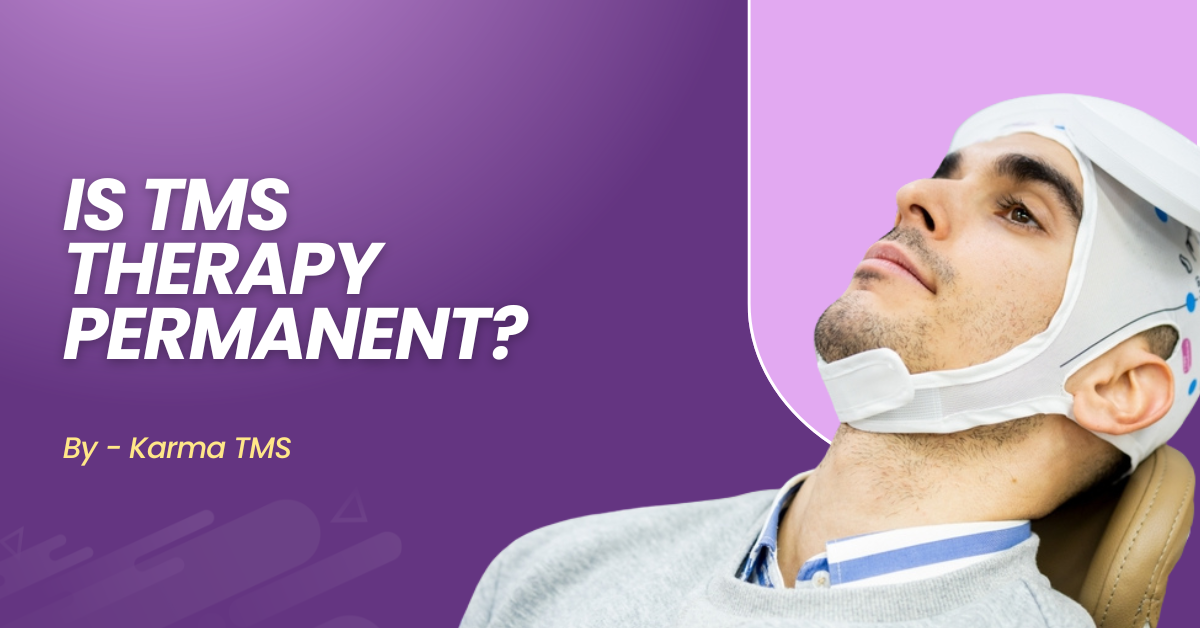
Is TMS Therapy Permanent?
Explore the long-term effectiveness of TMS and what to expect after completing treatment.
Read More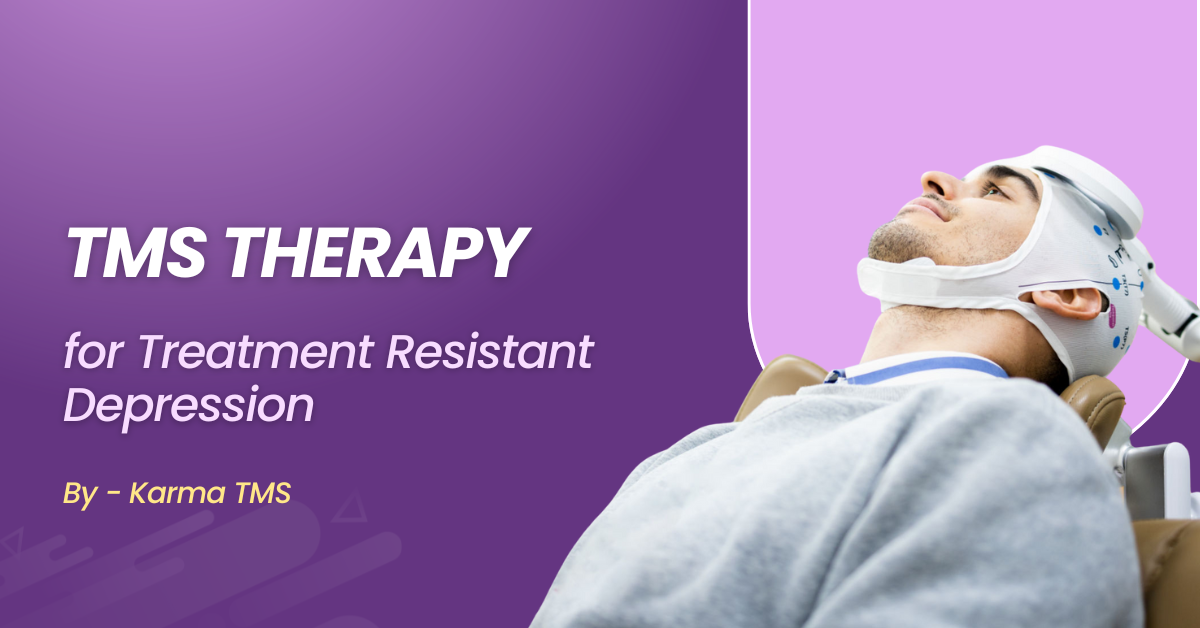
TMS for Treatment-Resistant Depression
A comprehensive guide to TMS therapy as an effective treatment when antidepressants fall short.
Read More
How Successful Is TMS Treatment?
Discover TMS success rates based on clinical research and real patient outcomes.
Read More
About the Author
Dr. Keerthy Sunder
Board-Certified Psychiatrist | KarmaTMS
Dr. Keerthy Sunder is a board-certified psychiatrist specializing in TMS therapy and integrative psychiatry. He is passionate about bringing advanced, evidence-based treatments to the Palm Springs community to help patients achieve lasting mental wellness.