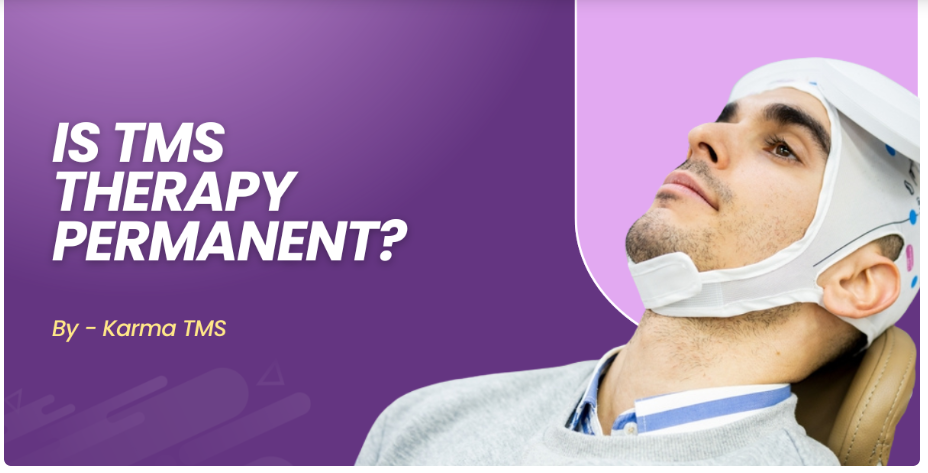
When patients consider Transcranial Magnetic Stimulation (TMS) therapy for depression or anxiety, one of the first questions they ask is: "Is it permanent?" It's a valid concern—investing time and hope into a treatment makes you want to know if the results will last.
The short answer is: TMS offers long-term remission for many patients, but mental health is a journey, not a destination. While TMS is not a "magic cure" that guarantees you will never feel sad again, it produces structural changes in the brain that offer significantly more durable results than traditional medications.
Understanding TMS: Rewiring vs. Masking
To understand the permanence of TMS, it helps to look at how it works compared to antidepressants. Medications typically work by flooding the brain with neurotransmitters like serotonin. However, once you stop taking the medication, those levels often drop back down, and symptoms return.
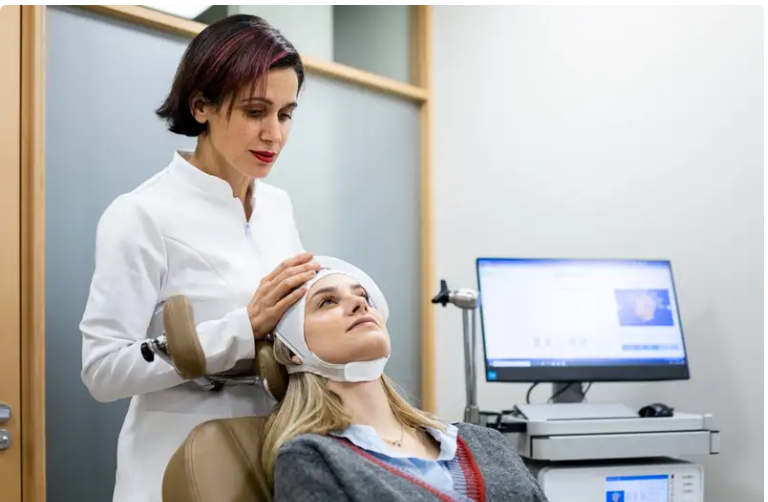
Neuroplasticity: TMS uses magnetic pulses to stimulate underactive areas of the brain (specifically the prefrontal cortex). This stimulation encourages neuroplasticity—the brain's ability to form new neural connections. In essence, TMS helps the brain "rewire" itself to function more healthily on its own.
Because these new pathways are physical changes in the brain's detailed structure, the improvements from TMS are often sustained long after the treatment course ends.
How Long Do TMS Results Last?
Research on TMS therapy longevity is encouraging. Multiple long-term studies have tracked patients for months and years after treatment, providing valuable insights into the duration of benefits.
Research Findings on TMS Longevity
1-Year Follow-Up
60-70% of responders maintain improvements 12 months after treatment
2-3 Years
Studies show sustained benefits for 2-3 years in many patients.
Remission Rates
One-third of patients achieve complete remission that can last years.
Maintenance Success
Periodic maintenance sessions can extend benefits indefinitely.
The Role of Maintenance Sessions
For patients who notice their symptoms creeping back over time (usually 6-12 months later), maintenance sessions are a highly effective option.
Re-treatment Difference
If you responded well to the initial course of TMS, it is extremely likely ("highly predictive") that you will respond well to a booster course.
Shorter Courses
Maintenance doesn't always mean another full 6-week cycle. Many patients find relief with just a few "booster" sessions or a shorter 2-week course to get back on track.
Think of it like braces: you wear them to straighten your teeth (the acute treatment phase), but you might wear a retainer at night (maintenance) to ensure they stay straight forever.
TMS vs. Medication: A Long-Term View
| Feature | Medication (Antidepressants) | TMS Therapy |
|---|---|---|
| Duration of Treatment | Indefinite (daily pills) | 6-8 weeks acute course |
| Mechanism | Chemical regulation (temporary) | Neuroplasticity (structural) |
| Side Effects | Weight gain, insomnia, sexual dysfunction | Mild scalp discomfort (temporary) |
| Long-Term Outcome | Effect often stops when pills stop | Sustained remission common |
Factors Impacting Success
Several factors can influence how "permanent" your TMS results will be:
- Completing the Course: It is vital to attend all prescribed sessions (usually 36) to ensure the brain changes are fully consolidated.
- Lifestyle Changes: Incorporating the 4 A's of stress management, regular exercise, and good sleep hygiene will protect your remission.
- Severity: Patients with highly treatment-resistant depression may require more aggressive maintenance than those with mild depression.
Conclusion: A Lasting Change
While no medical professional can guarantee a "permanent" cure for depression, TMS Therapy in Palm Springs, CA offers one of the most durable and effective treatment options available today. By addressing the root biological causes of depression through neuroplasticity, it provides patients with the opportunity for long-lasting remission and a return to their true selves.
If you are tired of the temporary fix of medications or are looking for a more sustainable solution for your mental health, contact Karma TMS today to learn more about how TMS can help you build a brighter, more permanent future.

About the Author
Dr. Keerthy Sunder
Board-Certified Psychiatrist | Medical Director at KarmaTMS
Dr. Keerthy Sunder is a board-certified psychiatrist specializing in TMS therapy and integrative mental health. He advocates for evidence-based, non-invasive treatments to help patients achieve lasting recovery without relying solely on medication.
Frequently Asked Questions
Is Stress Affecting Your Mental Health?
Don't let varied stressors control your life. Schedule a consultation to discuss how our treatments can help you manage stress and anxiety effectively.
Related Articles
The Four A's of Stress Management
Master stress management with the Four A's: Avoid, Alter, Adapt, and Accept.
Read More
Social Media & Mental Wellbeing
Understand the impact of social media habits on your mental health.
Read More
Why TMS Requires Multiple Sessions
Understand the science of neuroplasticity and why a full course of treatment is key.
Read More