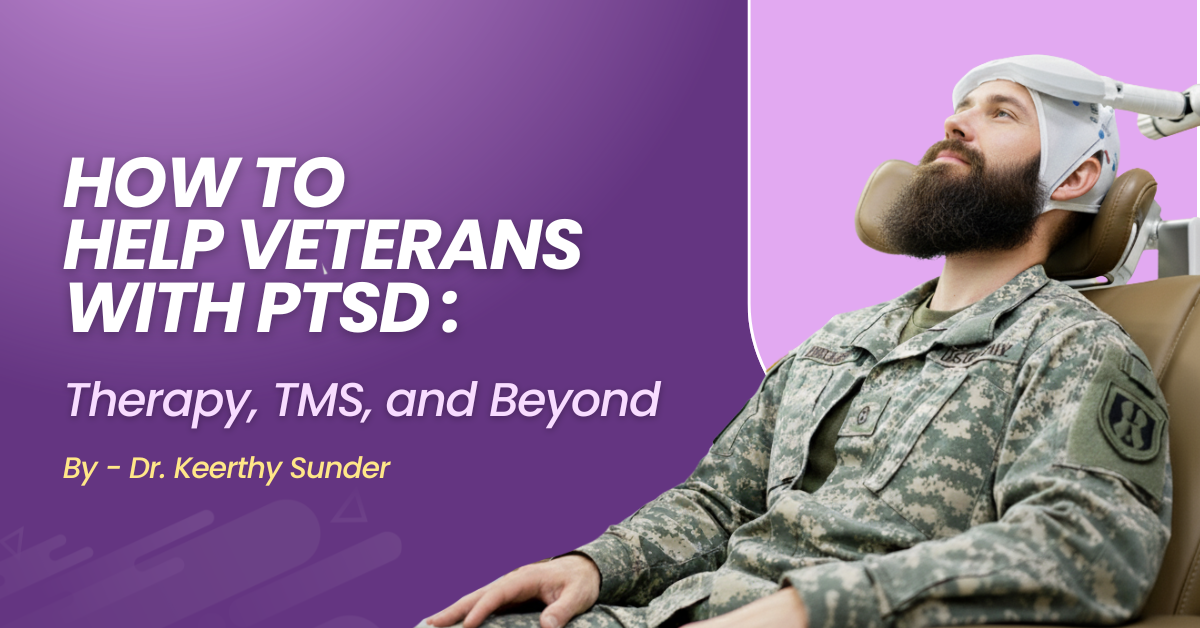
Transitioning from military service to civilian life is a significant challenge, especially for veterans carrying the invisible wounds of war. Post-Traumatic Stress Disorder (PTSD) is a common condition that affects many veterans, impacting their daily lives, relationships, and overall well-being. Knowing how to help veterans with PTSD starts with understanding their experience and offering support with patience and compassion.
Understanding PTSD in Veterans
PTSD is a mental health condition triggered by experiencing or witnessing a terrifying event. For veterans, this often involves combat exposure, life-threatening situations, sexual trauma, or witnessing the death of fellow service members.
It's important to recognize that PTSD is not a sign of weakness; it is a normal reaction to abnormal events. The brain's "fight or flight" system remains on high alert even when the danger has passed, leading to persistent symptoms that can last for months or years.
1 Recognizing the Signs
Veterans may not always vocalize their struggles. Being aware of the common symptoms can help you identify when a loved one might need support.
Re-experiencing Symptoms
- Flashbacks (reliving the trauma)
- Nightmares or bad dreams
- Frightening thoughts
- Physical reactions to triggers
Hyperarousal Symptoms
- Being easily startled or "jumpy"
- Feeling tense or "on edge"
- Difficulty sleeping
- Angry outbursts
2 Practical Ways to Help
Supporting a veteran with PTSD requires patience, understanding, and proactive effort. Here are meaningful ways you can make a difference:
1. Be a Good Listener
Listen without judgment. You don't need to have answers or offer advice; simply being present and validating their feelings ("It sounds like you're carrying a heavy burden") can be incredibly powerful. Don't pressure them to talk if they aren't ready.
2. Educate Yourself
The more you know about PTSD, the better you can understand what your loved one is going through. Learn about triggers, symptoms, and treatment options. This knowledge helps you separate the symptoms from the person.
3. Create a Safe Environment
Veterans with PTSD often feel unsafe. Help minimize stress at home by maintaining a predictable routine, reducing loud noises, and avoiding sudden surprises. Ask them what makes them feel safe and try to accommodate those needs.
4. Encourage Professional Help
While your support is vital, professional treatment is often necessary for recovery. Gently encourage them to seek help from the VA or a mental health clinic specializing in veterans' care. Offer to help research providers or drive them to appointments.
3 What to Avoid
Good intentions can sometimes lead to unhelpful comments. Here are some things to steer clear of:
- Don't say "Just get over it" or "It's in the past."
- Don't minimize their experiences or compare them to others.
- Don't force them to share details of traumatic events.
- Don't touch or startle them from behind without warning.
4 Treatment Options: Hope for Recovery
Recovery from PTSD is possible with effective treatment. Common approaches include:
-
Psychotherapy: Evidence-based therapies like Cognitive Processing Therapy (CPT) and Prolonged Exposure (PE) therapy.
-
Medication: Antidepressants can help manage symptoms like sadness, worry, and anger.
-
TMS Therapy: Transcranial Magnetic Stimulation (TMS) is a breakthrough, non-invasive treatment for treatment-resistant PTSD. It uses magnetic pulses to stimulate brain areas linked to mood and emotional regulation, offering hope when other treatments haven't worked.
Conclusion
Helping a veteran with PTSD is a journey of understanding, patience, and consistent support. By learning to recognize the signs, communicating effectively, and encouraging professional treatment, you can play a vital role in their path to recovery.
At Karma TMS, we are dedicated to supporting veterans in the Palm Springs area. We offer advanced treatments like TMS therapy alongside compassionate care. If you or a loved one is struggling, please reach out to us today. You don't have to fight this battle alone.
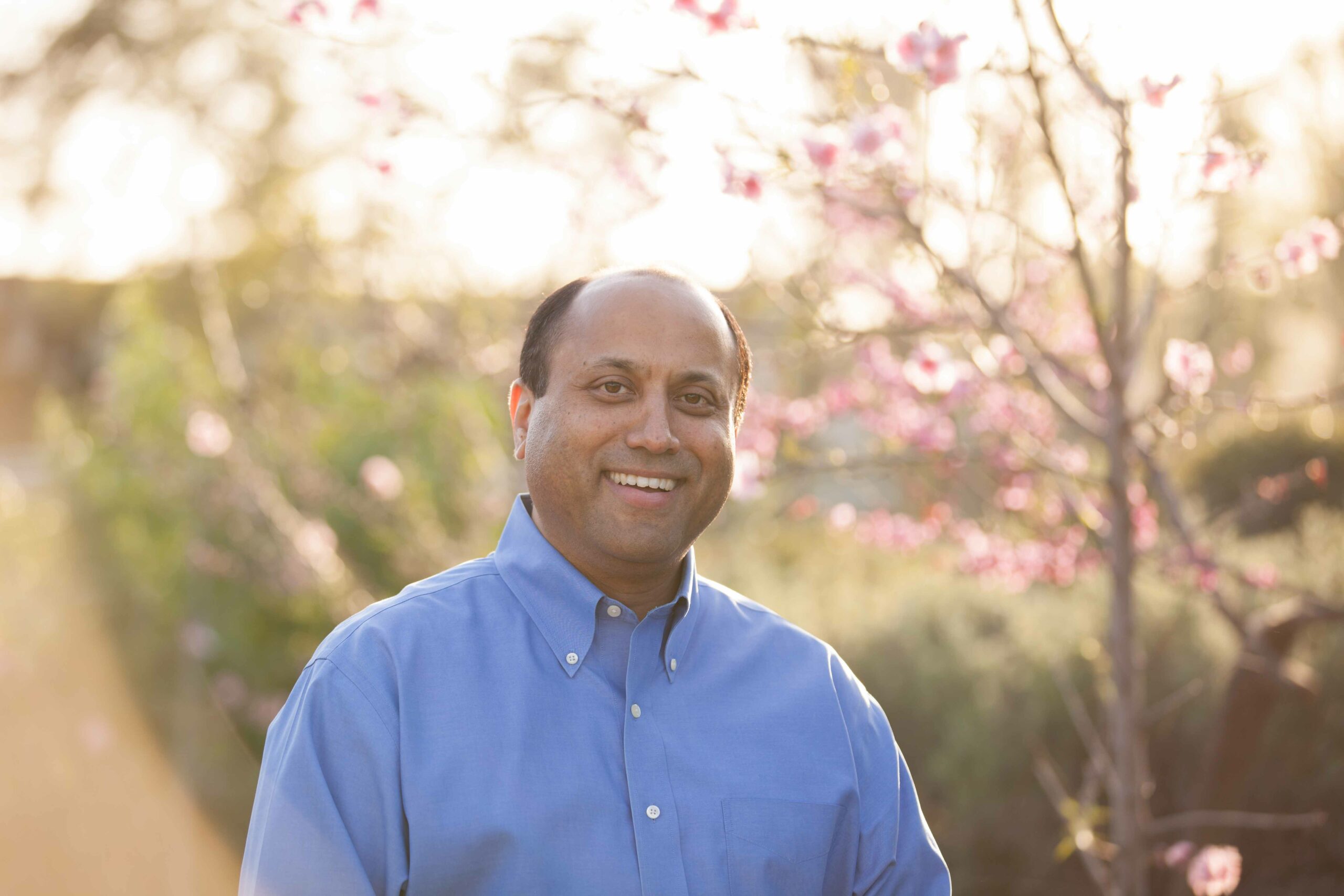
About the Author
Dr. Keerthy Sunder
Board-Certified Psychiatrist | KarmaTMS
Dr. Keerthy Sunder is a board-certified psychiatrist with extensive experience in treating trauma and PTSD. He is committed to providing veterans with the highest standard of care using integrative and innovative treatment methods.
Frequently Asked Questions
Support Your Recovery Journey
Karma TMS offers specialized care for veterans. Contact us to learn more about our PTSD treatment options.
Related Articles
Can You Get Disability for Depression?
Complete guide to disability benefits for depression, covering eligibility and treatment options.
Read More
TMS for Anxiety in Veterans
Discover how TMS helps veterans manage anxiety beyond medication.
Read More
Understanding PTSD in Veterans
Complete guide to PTSD signs, symptoms, and treatment paths including TMS therapy.
Read More