Anxiety disorders affect millions of veterans and can manifest as standalone conditions, separate from Post-Traumatic Stress Disorder (PTSD). While veteran mental health is often associated exclusively with combat-related PTSD, anxiety can arise independently due to the high-stress nature of military service, the difficult transition back to civilian life, and ongoing readjustment challenges.
For veterans who have not found relief through conventional treatments like SSRIs or talk therapy, Transcranial Magnetic Stimulation (TMS) presents a promising alternative. By directly regulating the brain's anxiety centers without the systemic side effects often associated with medication, TMS offers a new path to peace of mind.
Common Anxiety Disorders in Veterans
Veterans may experience various forms of anxiety that impact their daily functioning. Common presentations include:
-
Generalized Anxiety Disorder (GAD) Characterized by persistent and excessive worry about various aspects of life, including health, finances, work, and family, often interfering with sleep and concentration.
-
Panic Disorder Involves recurrent, unexpected panic attacks accompanied by intense physical symptoms (racing heart, sweating) and a debilitating fear of future attacks.
-
Social Anxiety Disorder Marked by an intense fear of social situations or judgment, which is particularly common during the complex adjustment from military culture to civilian society.
-
Specific Phobias Intense fear of particular objects or situations (e.g., crowds, loud noises), which may have developed or worsened during service.
Recognizing Anxiety in Veterans
Anxiety manifests in both physical and psychological ways. Recognizing these signs is the first step toward seeking help.
Physical Symptoms
- Rapid heartbeat or palpitations
- Sweating, trembling, or shaking
- Shortness of breath or choking sensation
- Muscle tension and chronic headaches
- Fatigue and severe sleep disturbances
- Gastrointestinal issues
Psychological Symptoms
- Excessive, uncontrollable worry
- Difficulty concentrating or "brain fog"
- Restlessness or feeling constantly "on edge"
- Irritability and shortened temper
- A sense of impending doom
- Avoidance of triggering situations
VA Anxiety Support and Resources
The Department of Veterans Affairs (VA) recognizes anxiety disorders as a significant health concern for veterans and offers various support services:
VA Benefits for Anxiety:
- Disability Compensation: Veterans can receive disability ratings for anxiety disorders
- Mental Health Services: Access to psychiatrists, psychologists, and therapists
- Evidence-Based Treatments: Cognitive Behavioral Therapy (CBT) and other proven interventions
- Medication Management: Access to anxiety medications through VA pharmacies
- Crisis Support: 24/7 Veterans Crisis Line (988, then press 1)
- TMS Therapy: Growing availability of TMS treatment at select VA facilities
Why Medication Isn't Always the Answer
For many veterans, the first line of defense offered by the VA or private doctors is medication (SSRIs or benzodiazepines). While helpful for some, these medications often come with significant drawbacks, including weight gain, sexual dysfunction, lethargy, and emotional blunting.
Furthermore, a significant percentage of veterans suffer from treatment-resistant anxiety, meaning their symptoms do not respond adequately to medication alone. This is where TMS offers a breakthrough solution.
How TMS Works for Anxiety
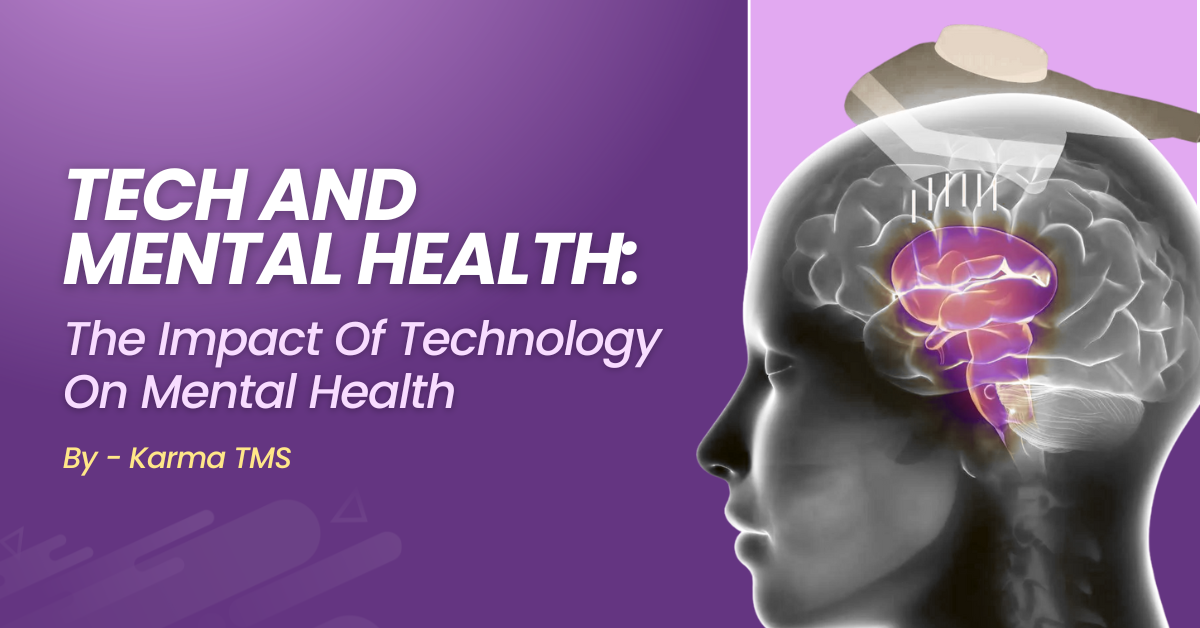
Transcranial Magnetic Stimulation (TMS) is a non-invasive treatment that uses magnetic pulses to stimulate specific areas of the brain involved in mood regulation and anxiety processing.
The Science Behind TMS for Anxiety
Targeting Anxiety Centers
TMS targets the dorsolateral prefrontal cortex (DLPFC) and other brain regions involved in:
- Emotional regulation
- Fear response modulation
- Worry and rumination control
- Stress response management
Neuroplasticity and Healing
By repeatedly stimulating these areas, TMS promotes neuroplasticity—the brain's ability to form new neural connections and pathways. This helps "retrain" the brain's anxiety response, leading to lasting improvements.
The Treatment Process
Brain Regulation Through TMS: Beyond Symptom Management
Unlike medications that work systemically throughout the body, TMS offers targeted brain regulation:
Traditional Medication
- Systemic side effects
- Weight gain, sexual dysfunction
- Dependency concerns
- Trial and error process
- Daily pill requirements
TMS Approach
- Targeted brain stimulation
- Minimal side effects
- No systemic medications
- Promotes lasting brain changes
- Non-invasive and well-tolerated
Benefits of TMS for Veterans with Anxiety
1. No Systemic Side Effects
TMS doesn't cause weight gain, sexual dysfunction, or the cognitive fog often associated with anxiety medications. This is particularly important for veterans returning to work or education.
2. Effective for Treatment-Resistant Anxiety
Studies show TMS can be effective even when multiple medications have failed, offering new hope for veterans who haven't found relief through traditional treatments.
3. Can Be Combined with Other Treatments
TMS can be used alongside therapy, reduced medication doses, or other interventions, providing a comprehensive treatment approach.
4. Lasting Results
Rather than requiring daily pills, TMS promotes lasting changes in brain function, with many patients experiencing sustained improvement after treatment completion.
Clinical Evidence
What Veterans Report:
- Reduced frequency and intensity of anxiety attacks
- Improved ability to manage stressful situations
- Better sleep quality
- Enhanced concentration and focus
- Greater engagement in daily activities and relationships
- Reduced reliance on anti-anxiety medications
Getting Started with TMS for Anxiety
The Process at Karma TMS:
Initial Consultation
Comprehensive evaluation of your anxiety symptoms and treatment history
Brain Mapping
Precise identification of treatment targets using advanced technology
Personalized Treatment Plan
Customized TMS protocol designed for your specific needs
Treatment Sessions
Regular TMS sessions over 4-6 weeks
Ongoing Support
Regular monitoring and follow-up care
Insurance and Access to Care
The Department of Veterans Affairs (VA) acknowledges anxiety disorders as a significant concern for veterans and provides various support services, including disability compensation for anxiety-related conditions.
Good news for access: TMS therapy is widely covered by major insurance providers, including Tricare and widely accepted within the VA system for treatment-resistant conditions. Our team at Karma TMS is experienced in working with veteran benefits and commercial insurance to ensure you get the care you deserve with minimal financial stress.

About the Author
Dr. Keerthy Sunder
Board-Certified Psychiatrist | Medical Director at KarmaTMS
Dr. Keerthy Sunder is a board-certified psychiatrist specializing in TMS therapy for veterans and treatment-resistant mental health conditions. With extensive experience in neuroscience and innovative treatment modalities, Dr. Sunder is dedicated to helping veterans overcome PTSD, depression, and anxiety through evidence-based, compassionate care.
Frequently Asked Questions
We Are Here to Help
If you or a loved one needs professional mental health support, including advanced treatments like TMS therapy, contact Karma TMS today.
Related Articles