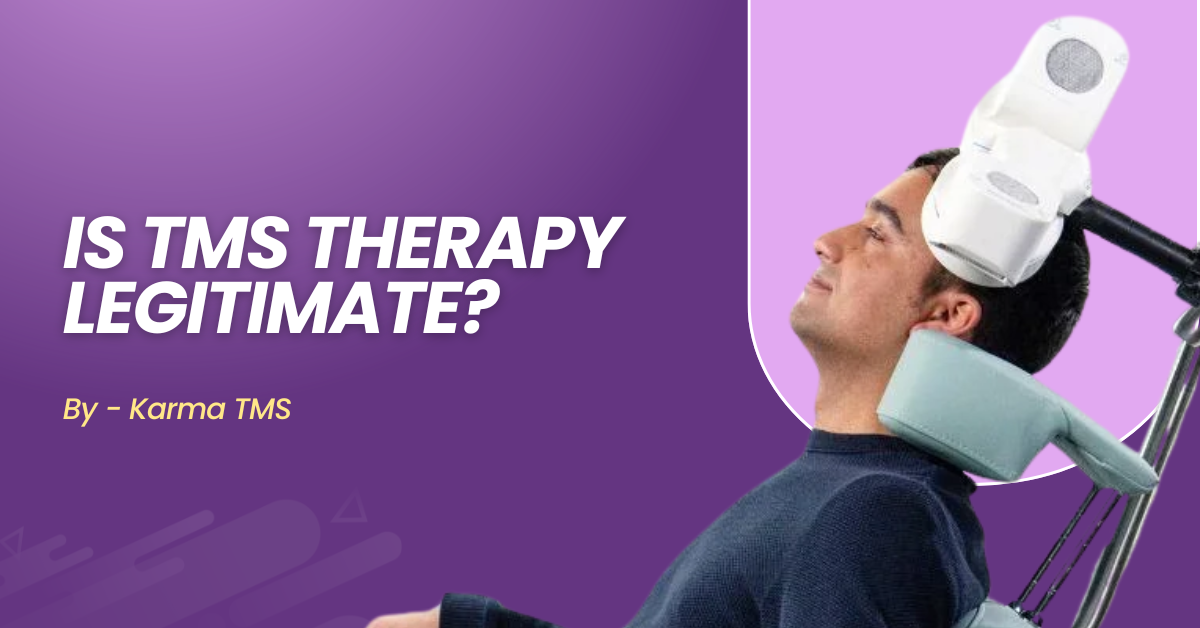
In an era of emerging wellness trends and alternative therapies, it is only natural to ask: "Is TMS therapy legitimate?" When looking for effective treatment options for depression—especially when medications haven't worked—you need assurance that the solution is backed by science, not just hype.
The answer is unequivocal: Yes, TMS (Transcranial Magnetic Stimulation) is a legitimate, FDA-approved medical treatment. It is widely recognized by the medical community, major insurance providers, and global health organizations as a standard-of-care for treatment-resistant depression.
FDA Approval & History
One of the primary markers of legitimacy for any medical treatment in the United States is clearance by the Food and Drug Administration (FDA). TMS has a robust history of regulatory approval:
2008 Approval
The FDA granted its first clearance for TMS therapy for the treatment of Major Depressive Disorder (MDD) in adult patients who have failed to achieve satisfactory improvement from prior antidepressant medication.
2013 Expansion
Approvals were expanded to cover a broader range of devices and protocols, further solidifying TMS as a mainstream psychiatric intervention.
Medical Endorsements: In 2010, the American Psychiatric Association (APA) included TMS in its Practice Guidelines for the treatment of Major Depressive Disorder, placing it alongside standard treatments like medication and psychotherapy.
The Science: How It Works
TMS is not "magic"; it is based on the principles of electromagnetic induction. Depression is often linked to reduced activity in specific areas of the brain, particularly the prefrontal cortex, which regulates mood.
During a TMS session, an electromagnetic coil placed against the scalp delivers rapid magnetic pulses. These pulses pass through the skull and induce small electrical currents in the targeted brain tissue. This stimulation activates neurons, increasing blood flow and glucose metabolism in the underactive areas.
- Targeted Treatment: Unlike medication, which affects the entire body (systemic), TMS precisely targets the mood centers of the brain.
- Neuroplasticity: Repeated stimulation promotes neuroplasticity—the brain's ability to form new connections—effectively "rewiring" the brain to function more typically.
Strategies for Maintaining TMS Results
While TMS creates lasting brain changes, you can take proactive steps to maximize the longevity of your results:
Maintenance TMS Sessions
Some patients benefit from periodic booster sessions:
- Monthly sessions for 3-6 months post-treatment
- Quarterly sessions as needed
- Single sessions when symptoms begin to return
Lifestyle Optimization
- Maintain consistent sleep schedule (7-9 hours)
- Exercise 150 minutes per week
- Practice stress-reduction techniques daily
- Eat a balanced, nutrient-rich diet
- Limit alcohol and avoid recreational drugs
Continued Therapy
Work with a therapist to develop coping strategies, address underlying issues, and maintain mental wellness. Therapy helps you manage stressors that could trigger symptom recurrence.
Monitor Your Mental Health
Stay aware of your mood and symptoms. Early intervention at the first sign of recurrence can prevent full relapse and may require only brief treatment to restore benefits.
Success Story
"After my initial TMS treatment three years ago, I maintained my improvements with quarterly maintenance sessions for the first year. Now I haven't needed any additional treatment for over 18 months. TMS gave me my life back, and I've kept it by staying active, managing stress, and continuing therapy." - TMS Patient
Success Rates & Effectiveness
TMS is primarily used for patients with "treatment-resistant depression," meaning they have not found relief with traditional antidepressants. In this challenging population, TMS demonstrates impressive outcomes.
Response Rate
Significantly reduced symptoms
Remission Rate
Complete symptom relief
Safety Profile
Another hallmark of legitimate medical treatment is a verified safety profile. TMS is non-invasive (does not require surgery) and non-systemic (does not enter the bloodstream).
-
No Anesthesia: Patients remain awake and alert during treatment.
-
No Systemic Side Effects: Unlike antidepressants, TMS does not cause weight gain, sexual dysfunction, or nausea.
-
Minimal Downtime: You can drive yourself to and from appointments and resume normal daily activities immediately.
Conclusion
The question "Is TMS therapy legitimate?" has been answered by decades of research, FDA clearances, and thousands of patient success stories. It is a vital tool in modern psychiatry, offering hope to those who have been left behind by traditional treatments.
If you are struggling with depression and looking for a proven, evidence-based solution, contact Karma TMS today. Our expert team represents the gold standard in delivering legitimate, compassionate, and effective mental health care in Palm Springs.

Medical Director
Dr. Keerthy Sunder
Board-Certified Psychiatrist | KarmaTMS
Dr. Keerthy Sunder oversees all TMS treatments at KarmaTMS. He is dedicated to providing legitimate, evidence-based care to the Palm Springs community.
Frequently Asked Questions
Ready to Try a Proven Treatment?
Schedule a free consultation to discuss if FDA-approved TMS therapy is right for you.
Related Articles

How Successful is TMS Treatment?
Dive deeper into the clinical outcomes and success rates of TMS.
Read More
Why TMS Requires Multiple Sessions
Understand the protocol and why neuroplasticity takes time.
Read More