
Quick Clinical Answer: Which Is Worse, Bipolar 1 or Bipolar 2?
Clinically speaking, neither disorder is universally "worse" than the other—they present distinct types of suffering and impairment. Bipolar 1 creates catastrophic, acute emergencies during severe mania involving psychosis, total loss of judgment, and involuntary hospitalization. In contrast, Bipolar 2 inflicts a heavier chronic burden, with patients spending up to 40–50% of their adult lives trapped in debilitating depressive episodes with equal or higher rates of suicide attempts. Deciding which is worse depends on whether you measure acute crisis intensity (Bipolar 1) or cumulative lifelong disability (Bipolar 2).
When people first receive a diagnosis on the bipolar disorder spectrum, one of the most common questions they ask their psychiatrist is: "Which is worse: bipolar 1 or bipolar 2?" The numerical naming convention often misleads individuals into assuming that Bipolar 1 is the severe form and Bipolar 2 is merely a "mild" variation.
In modern psychiatric practice, that assumption is clinically inaccurate. Understanding the distinct neurological, psychological, and functional dimensions of both conditions is crucial for patients, families, and clinicians seeking to minimize disability, restore emotional equilibrium, and preserve human potential.
What Is Bipolar Disorder? Understanding the Affective Spectrum
Bipolar disorder (historically termed manic-depressive illness) is a biological, chronic neuropsychiatric condition characterized by intense, cyclical fluctuations in mood, energy, sleep requirements, and cognitive function. Rather than everyday emotional ups and downs, bipolar disorder is driven by neurochemical dysregulation and altered connectivity between the brain's prefrontal executive networks and deeper limbic emotional circuits (especially the amygdala).
The condition manifests across distinct affective poles:
- The Manic / Hypomanic Pole (The Highs): States of abnormally elevated energy, grandiosity, accelerated thought patterns, decreased need for sleep, and impulsive decision-making.
- The Depressive Pole (The Lows): Protracted episodes of crushing fatigue, anhedonia (the inability to experience pleasure), physical lethargy, cognitive fog, and suicidal ideation.
- Mixed Affective States: Agonizing hybrid periods where manic agitation and insomnia collide directly with depressive hopelessness and intense inner turmoil.
- Euthymia (The Baseline): Stable, symptom-free periods of emotional balance between active mood episodes.
In modern psychiatry (DSM-5), bipolar disorder is recognized not as a single uniform illness, but as a continuous spectrum. Its principal subtypes—Bipolar 1 and Bipolar 2—are categorized not by the depth of depression, but by the intensity and destructiveness of the elevated pole. Establishing this foundational distinction is key to answering which condition presents greater overall severity.
Side-by-Side Comparison: Bipolar 1 vs. Bipolar 2
To objectively evaluate both disorders, we must examine how diagnostic criteria, symptom manifestations, hospitalization rates, and long-term functional outcomes diverge under DSM-5 guidelines.
| Clinical Dimension | Bipolar 1 Disorder | Bipolar 2 Disorder |
|---|---|---|
| Defining High Phase | Full Manic Episodes (≥ 7 days or requiring hospitalization) | Hypomanic Episodes (≥ 4 consecutive days; non-psychotic) |
| Depressive Requirement | Common, but not required for formal DSM-5 diagnosis | Strictly required: ≥ 1 Major Depressive Episode (≥ 2 weeks) |
| Psychotic Features | Present in 50–75% of severe manic episodes | Never present during hypomania; rare in depression |
| Hospitalization | Frequent during acute mania for safety and containment | Primarily during severe depressive crises or suicidal risk |
| Time Spent Depressed | Roughly 30% of symptomatic lifetime spent depressed | Up to 50% or more of symptomatic time spent depressed |
| Lifetime Suicide Risk | Elevated (15–20x higher than general population) | Equal or slightly higher attempt rates due to chronic depression |
| Diagnostic Delay | Usually 1–3 years due to visible, disruptive mania | Frequently delayed 8–10 years due to unipolar depression misdiagnosis |
| First-Line Interventions | Lithium, mood stabilizers, atypical antipsychotics | Mood stabilizers, therapy, neuromodulation like TMS therapy |
Struggling with Debilitating Mood Swings?
Whether you are battling unpredictable highs or crushing depressive lows, accurate diagnostic clarification and personalized psychiatric interventions make lifelong stability achievable.
Book a Diagnostic AssessmentBipolar 1 Disorder: The Catastrophic Volatility of Full Mania
The hallmark of Bipolar 1 disorder is at least one full manic episode. From an acute safety standpoint, full mania represents one of the most volatile emergencies in psychiatry.
The Anatomy of Full Mania
Mania is not mere happiness or high energy. It is a severe neurochemical surge that impairs reality testing and impulse control:
- Psychosis and Delusions: Up to 75% of individuals experiencing severe mania develop psychotic symptoms, including grandiose convictions or persecutory delusions.
- Destructive Impulsivity: Inhibitory control drops sharply. Individuals may deplete life savings, make reckless investments, or drive dangerously.
- Severe Sleep Deprivation: Patients often go days without sleep yet feel fully energized, accelerating cognitive exhaustion and psychosis.
- Dysphoric Mania: Manic energy fuses with rage, severe anxiety, and panic, escalating acute self-harm risk.
The aftermath is often devastating: returning to baseline reveals depleted finances, career fallout, damaged marriages, or legal entanglements.
Bipolar 2 Disorder: The Relentless Drain of Chronic Depression
Because Bipolar 2 features hypomania instead of full mania, it is often misconstrued as milder. Clinically, this assumption overlooks its chronic functional impact.
Why Hypomania Is Deceptive
Hypomania is an energized, elevated mood lasting at least 4 consecutive days. Unlike full mania, it does not cause severe social collapse, never involves psychosis, and does not require hospitalization. Patients feel sharp, charismatic, and productive, rarely recognizing hypomania as an illness.
The Crushing Burden of Bipolar 2 Depression
The true cost of Bipolar 2 lies in its depressive burden. Outcome research confirms that Bipolar 2 patients spend up to 40 times more weeks depressed than hypomanic:
- Deeper and Longer: Depressive episodes routinely persist for months, defined by anhedonia, cognitive slowing, and debilitating fatigue.
- Atypical Features: Hypersomnia (sleeping 12+ hours daily) and leaden physical paralysis.
- Pervasively Disabling: Chronic recurrence severely impairs career continuity, leading many to seek disability support.
The Severity Metrics: Comparing Both Conditions Objectively
Mental health researchers use specific clinical metrics to compare the overall burden of both disorders:
1. Acute Safety and Life Disruption: Bipolar 1 Is Worse
Full mania can dismantle a patient's livelihood, relationships, and credit in days. Involuntary psychiatric admissions (such as 5150 holds in California) occur far more frequently in Bipolar 1 to prevent severe harm.
2. Cumulative Lifetime Disability: Bipolar 2 Is Often Worse
Disability-Adjusted Life Years (DALYs) measure total time lost to disability. Because Bipolar 2 patients spend up to half their symptomatic lives in chronic depression, their cumulative loss of workplace stability and productivity often exceeds that of Bipolar 1.
3. Suicide Risk and Self-Harm: An Equal Danger
Up to 20–25% of individuals with Bipolar 2 attempt suicide at least once—matching or slightly exceeding Bipolar 1 rates. Lethality is high because suicidal crises occur during prolonged depressive episodes paired with inner agitation.
4. Cognitive Functioning
Both conditions can produce cognitive deficits over time in executive function and working memory. Recurrent, unmanaged episodes accelerate neuroprogression, making early mood stabilization imperative.
Diagnostic Dangers: Why Bipolar 2 Is Frequently Mismanaged
Because Bipolar 1 exhibits conspicuous manic behavior, it is typically diagnosed within 1 to 3 years. In contrast, individuals with Bipolar 2 face an average diagnostic delay of 8 to 10 years.
The Danger of Antidepressant Monotherapy
Because Bipolar 2 patients seek help only when depressed, providers frequently misdiagnose them with unipolar depression and prescribe standard antidepressants alone. Without mood stabilizers, antidepressants can trigger rapid cycling, mixed states, and refractory depression. Evaluation by an experienced psychiatric specialist is essential.
Advanced Treatment Paths: Restoring Equilibrium and Function
Regardless of whether you manage Bipolar 1 or Bipolar 2, the clinical goal remains constant: minimizing symptom burden, preventing mood episodes, and maximizing functional days.
1. Pharmacological Mood Stabilization
Medication is foundational for preventing both manic surges and depressive crashes:
- Mood Stabilizers: Agents like Lithium (proven to reduce suicide and manic recurrence) and Lamotrigine (highly effective for preventing depressive relapse in Bipolar 2).
- Atypical Antipsychotics: Medications such as Quetiapine, Lurasidone, and Cariprazine, which treat acute bipolar depression without destabilizing mood.
2. Non-Invasive Neuromodulation: TMS Therapy for Bipolar Depression
Treating bipolar depression with traditional pharmaceuticals carries a documented risk of manic switching. To overcome this limitation, advanced centers use Transcranial Magnetic Stimulation (TMS).
TMS is an FDA-cleared, non-systemic therapy using targeted magnetic pulses to stimulate underactive neural circuits in the prefrontal cortex. Key benefits for bipolar depression include:
- No Systemic Drug Side Effects: TMS produces zero weight gain, cognitive fog, or metabolic disruptions.
- Minimal Affective Switch Risk: When paired with mood stabilizers, clinical trials confirm an affective switch rate under 2%.
- Targeted Support for Treatment Resistance: TMS activates neuroplasticity in patients unresponsive to multiple medications. Read more on TMS for treatment-resistant conditions.
3. Social Rhythm and Sleep Architecture
The bipolar circadian system is highly vulnerable to disrupted sleep. Interpersonal and Social Rhythm Therapy (IPSRT) helps patients maintain regular sleep-wake cycles, stabilizing internal biological pacemakers.
Clinical Verdict: Reframing the Question
Asking "Which is worse: bipolar 1 or bipolar 2?" is comparable to asking whether an acute volcanic eruption is worse than a decade-long drought.
Bipolar 1 is the acute crisis: its manic peaks can dismantle judgment, invite psychosis, and require emergency hospitalization in days.
Bipolar 2 is the chronic drought: its protracted depressive episodes silently drain years of potential, damage careers, and present equal suicide risks.
Neither illness is mild, and neither should be faced without clinical support. With specialized psychiatric oversight, targeted mood stabilizers, and advanced options like TMS therapy, individuals with either diagnosis can attain long-term stability and reclaim fulfilling lives.
If you or a loved one in Palm Springs, Rancho Mirage, or Twentynine Palms needs expert guidance, Karma TMS is here to assist your recovery.
Final Thoughts
Navigating a bipolar disorder diagnosis can feel overwhelming, especially when trying to understand where your symptoms fit along the spectrum. Remember that labels like "Bipolar 1" and "Bipolar 2" exist to guide clinical precision and protect your long-term health—not to rank suffering or minimize the very real challenges you face each day.
Whether your greatest battle is preventing the catastrophic disruption of manic episodes or overcoming the quiet, prolonged exhaustion of treatment-resistant depression, recovery is not just possible—it is expected with the right care. By combining comprehensive psychiatric evaluation, tailored mood stabilization, neuroplasticity-focused treatments like TMS therapy, and consistent lifestyle rhythms, you can break the cycle of mood extremes and build a stable, fulfilling future.

About the Author
Dr. Keerthy Sunder
Board-Certified Psychiatrist | KarmaTMS
Dr. Keerthy Sunder is a board-certified psychiatrist specializing in TMS therapy and integrative psychiatry. He is passionate about bringing advanced, evidence-based treatments to the Palm Springs community to help patients achieve lasting mental wellness.
Frequently Asked Questions
Find Lasting Mood Stability with Karma TMS
Whether dealing with Bipolar 1 or Bipolar 2, you do not have to endure debilitating mood swings alone. Discover how personalized psychiatric care and advanced TMS therapy can help you regain control.
Related Clinical Articles
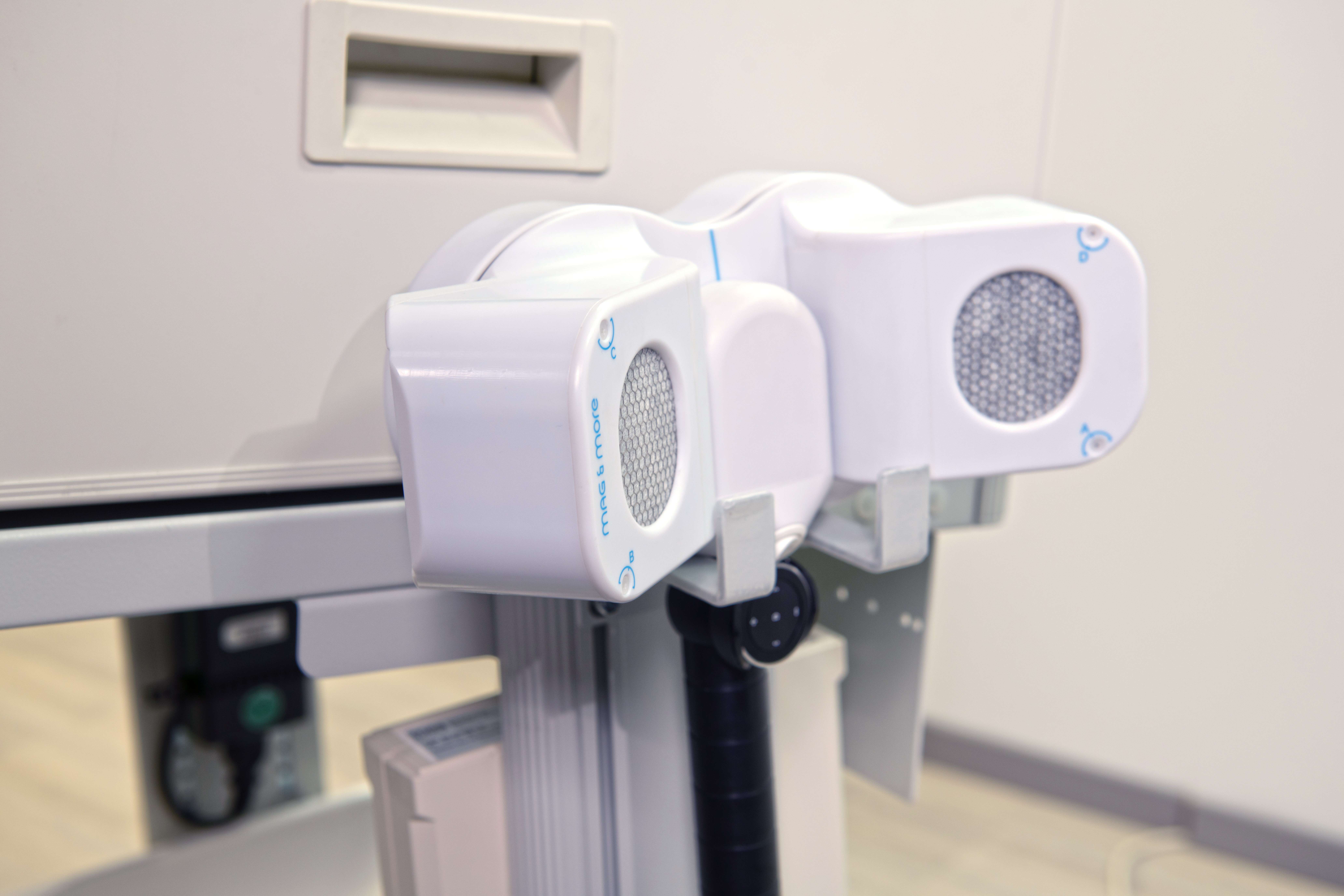
TMS Therapy for Bipolar Depression
Discover specialized protocols for treating bipolar depressive episodes without medication side effects.
Learn More
Can You Get Disability for Depression?
Understand rights, SSDI/SSI eligibility criteria, and treatment documentation for mood disorders.
Read Guide
Treatment-Resistant Depression Guide
Explore advanced options when psychiatric medications fail to relieve severe depressive symptoms.
Read Guide