For many service members, veterans, and their families, finding effective treatment for mental health conditions is a top priority. When traditional medications and talk therapy fall short, Transcranial Magnetic Stimulation (TMS) offers a scientifically proven alternative. But a common question remains: Does TRICARE cover TMS therapy?
The short answer is yes. TRICARE recognizes TMS as a legitimate, evidence-based treatment for certain mental health conditions. However, like any specialized medical procedure, there are specific criteria and hurdles to navigate. This guide will walk you through everything you need to know about TRICARE TMS coverage, from eligibility to costs.
What is Transcranial Magnetic Stimulation (TMS)?
TMS therapy is a non-invasive procedure that uses magnetic fields to stimulate nerve cells in the brain. It is primarily used to treat major depressive disorder, particularly when other treatments haven't been effective.
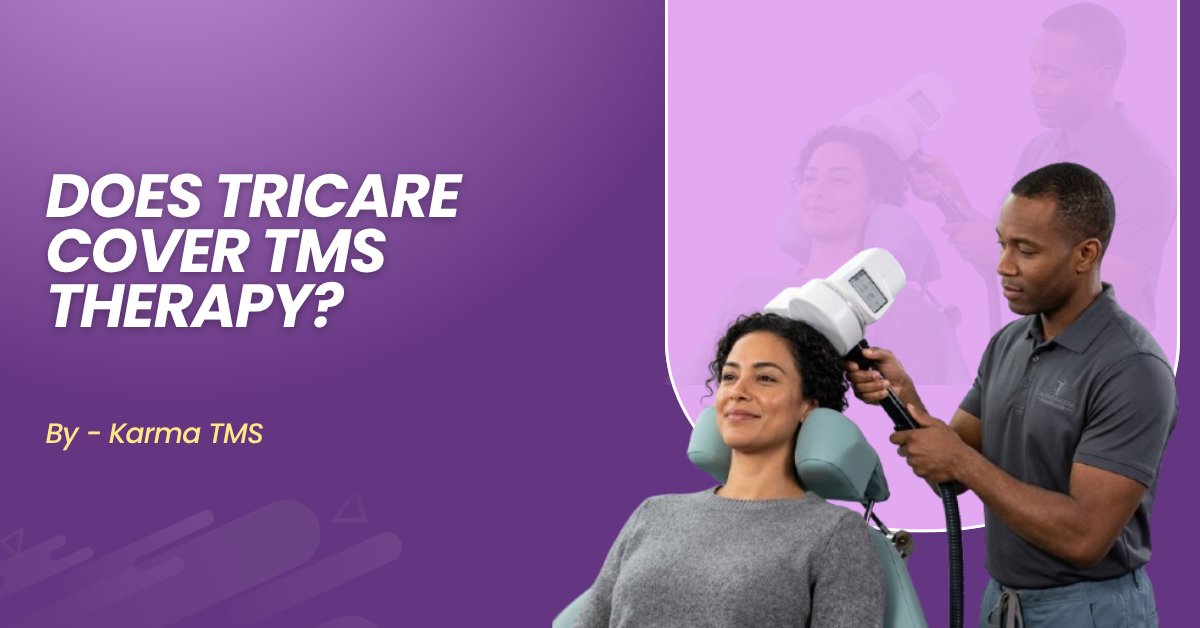
During a session, an electromagnetic coil is placed against the scalp. The coil delivers painless magnetic pulses that reach specific areas of the brain involved in mood control. By stimulating these areas, TMS can help "reset" neural activity and alleviate symptoms of depression and OCD.
TMS is FDA-cleared and does not require sedation or anesthesia. This means patients can drive themselves home immediately after their 20-minute session and resume their daily activities.
TRICARE Coverage for TMS Therapy
TRICARE is the healthcare program for uniformed service members, retirees, and their families worldwide. Over the last few years, TRICARE has expanded its coverage to include transcranial magnetic stimulation insurance options for those suffering from treatment-resistant depression.
According to Wikipedia, TRICARE provides civilian health benefits for U.S. Armed Forces military personnel. Their coverage of TMS is a significant step in supporting the mental health needs of the military community.
What Conditions Does TRICARE Cover?
Currently, TRICARE coverage is most robust for:
- Major Depressive Disorder (MDD): This is the primary condition for which TMS is covered.
- Treatment-Resistant Depression: Specifically for patients who have tried multiple medications without relief.
While TMS is also used for PTSD and anxiety, coverage for these conditions under TRICARE may require additional documentation or be considered on a case-by-case basis.
TRICARE TMS Eligibility Requirements
To qualify for TMS coverage under TRICARE, patients typically need to meet several clinical markers. These requirements ensure that the treatment is medically necessary.
1 Confirmed Diagnosis
A formal diagnosis of Major Depressive Disorder (MDD), Single Episode or Recurrent, from a qualified mental health professional.
2 Medication Failure
Documentation showing that the patient has failed to respond to a minimum of two to four different antidepressant medications from at least two different classes (e.g., SSRIs, SNRIs).
3 Psychotherapy History
Evidence that the patient has participated in a course of evidence-based psychotherapy without sufficient symptom improvement.
4 Pre-Authorization
TRICARE requires pre-authorization before starting TMS therapy. Your provider at Karma TMS will handle this process for you.
The Cost of TMS Therapy with TRICARE
One of the biggest concerns for patients is the tms therapy cost. Fortunately, with TRICARE coverage, many patients see their out-of-pocket expenses drastically reduced.
The exact cost varies based on your specific TRICARE plan:
- TRICARE Prime: Usually has the lowest out-of-pocket costs, often just requiring a small co-pay per session if any.
- TRICARE Select: May involve a deductible and a percentage of the allowable charge (cost-share).
- For Active Duty: TMS is typically fully covered when referred by a military treatment facility.
For a detailed breakdown of costs and how we handle insurance, visit our insurance and pricing page.
Does Insurance Cover TMS Generally?
If you're wondering "does insurance cover tms" beyond TRICARE, the answer is increasingly positive. Most major commercial insurers, including Aetna, Blue Cross Blue Shield, Cigna, and UnitedHealthcare, now cover TMS for depression.
The key is demonstrating medical necessity. As long as your medical history shows that traditional methods haven't worked, most insurers will approve the treatment.
Frequently Asked Questions about TRICARE & TMS
Conclusion
TMS therapy is a beacon of hope for those struggling with depression that hasn't responded to traditional treatments. Knowing that TRICARE covers TMS therapy removes a significant financial barrier for the military community.
At Karma TMS, we are committed to helping you navigate the complexities of insurance. If you or a loved one are ready to explore the benefits of TMS, our team is here to support you every step of the way.
Ready to Start Your Healing Journey?
Contact Karma TMS today to verify your TRICARE coverage and schedule your consultation.
Related Articles



About the Author
Dr. Keerthy Sunder
Board-Certified Psychiatrist | KarmaTMS
Dr. Keerthy Sunder is a board-certified psychiatrist specializing in TMS therapy and integrative psychiatry. He is dedicated to helping service members and their families find lasting relief from mental health conditions.