When exploring treatment options for depression and other mental health conditions, safety is often the first and most important concern. Transcranial Magnetic Stimulation (TMS) has gained attention as a non-invasive, medication-free treatment—but many people still ask the same question: Is TMS therapy safe?
This blog explains how TMS works, what research says about its safety, possible side effects, and what patients in Palm Springs, 29 Palms, and Rancho Mirage should know before beginning treatment.
Transcranial Magnetic Stimulation (TMS) is a non-invasive mental health treatment that uses magnetic pulses to stimulate specific areas of the brain involved in mood regulation. Unlike medications, TMS:
- Does not circulate through the bloodstream
- Does not cause systemic side effects
- Does not require anesthesia or sedation
- Allows patients to resume normal activities immediately
TMS is commonly used for individuals who have not experienced adequate relief from traditional treatments.
How TMS Therapy Works
TMS works by delivering focused magnetic pulses through a coil placed gently on the scalp. These pulses stimulate targeted neurons in the brain, helping to improve communication within mood-related neural circuits.
Over a series of sessions, this stimulation supports neuroplasticity, allowing the brain to form healthier patterns of activity associated with improved mood and emotional regulation.
Is TMS Therapy FDA-Approved?
Yes. TMS therapy has been FDA-cleared for the treatment of major depressive disorder and other specific conditions. FDA clearance means the therapy has undergone rigorous evaluation for both safety and effectiveness.
Since its approval, TMS has been widely studied and used in clinical settings across the United States.
What Makes TMS a Safe Treatment Option?
TMS therapy is considered safe because it is:
- Non-invasive (no surgery, injections, or implants)
- Targeted (affects only specific brain areas)
- Medication-free
- Well tolerated by most patients
Unlike electroconvulsive therapy (ECT), TMS does not cause memory loss or require anesthesia.
Common Side Effects of TMS Therapy
Most side effects associated with TMS are mild and temporary. The most commonly reported side effects include:
- Mild scalp discomfort during treatment
- Temporary headaches
- Tingling or tapping sensations on the scalp
- Facial muscle twitching during stimulation
These effects usually decrease as the body adjusts to treatment and often resolve shortly after sessions.
Are There Serious Risks With TMS Therapy?
Serious side effects from TMS are rare. The most discussed risk is seizure, but this occurs in an extremely small percentage of patients and is minimized through proper screening and adherence to safety protocols.
Before treatment begins, patients undergo a thorough evaluation to identify any potential risk factors.
Who May Not Be a Good Candidate for TMS?
While TMS is safe for many individuals, it may not be appropriate for people who:
- Have certain types of implanted metal or medical devices in or near the head
- Have a history of uncontrolled seizures
- Have specific neurological conditions that require special consideration
A professional evaluation ensures TMS is both safe and appropriate for each individual.
TMS Therapy vs. Medication Safety
Many people seek TMS because of difficulties with medication side effects. Compared to antidepressants, TMS:
- Does not cause weight gain
- Does not cause sexual dysfunction
- Does not lead to digestive issues
- Does not require daily dosing
This makes TMS an appealing option for those who want an alternative or complementary treatment approach, often discussed during medication management consultations.
Safety Monitoring During TMS Treatment
Throughout treatment, patients are closely monitored for comfort, response, and side effects. Adjustments can be made to ensure safety and tolerability. Ongoing monitoring helps ensure a positive and supportive treatment experience from start to finish.
Is TMS Therapy Safe for Long-Term Use?
Research indicates that TMS therapy does not cause long-term negative effects on brain function. In fact, many patients experience sustained improvement even after completing a treatment course. Maintenance options may be considered for some individuals, depending on symptoms and clinical guidance.
Frequently Asked Questions About TMS Therapy Safety
TMS Therapy in Palm Springs, 29 Palms & Rancho Mirage
Access to safe, evidence-based mental health treatment is essential for communities across the Coachella Valley. Patients in Palm Springs, 29 Palms, and Rancho Mirage can explore TMS therapy as a modern, non-invasive option under professional care.
Final Thoughts
TMS therapy is widely recognized as a safe, effective, and well-tolerated treatment for individuals seeking alternatives to medication. With FDA clearance, strong clinical research, and minimal side effects, TMS offers hope to those navigating persistent mental health challenges.
At Karma TMS, patient safety, comfort, and personalized care are central to every treatment plan.
Schedule a TMS Consultation Today
If you’re considering TMS therapy and want to learn whether it’s right for you, schedule a consultation with a qualified mental health professional serving Palm Springs, 29 Palms, and Rancho Mirage.
Related Articles
The Four A's of Stress Management
Master stress management with the Four A's: Avoid, Alter, Adapt, and Accept.
Read More
Social Media & Mental Wellbeing
Understand the impact of social media habits on your mental health.
Read More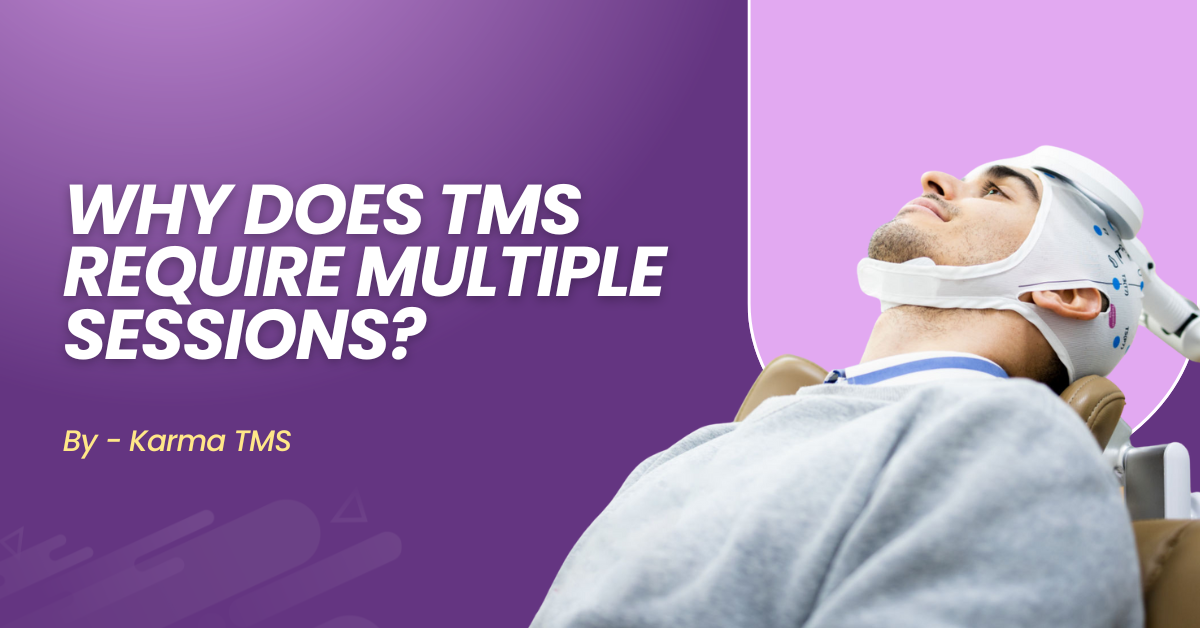
Why TMS Requires Multiple Sessions
Understand the science of neuroplasticity and why a full course of treatment is key.
Read More