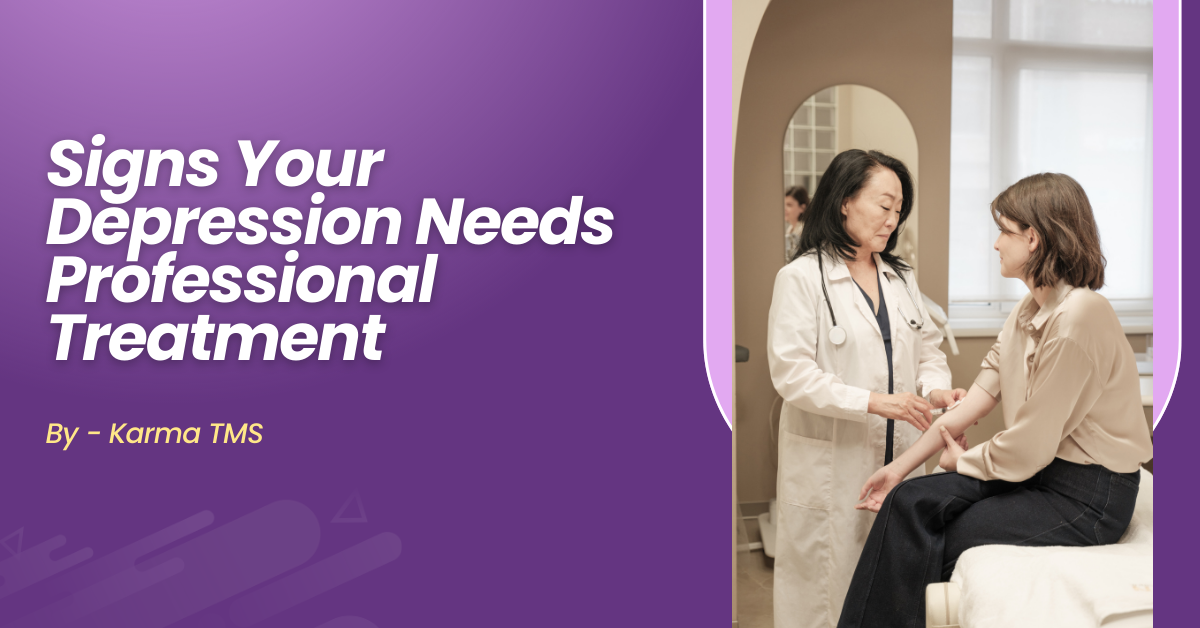
We all have difficult days. Life's inevitable losses, disappointments, and stressors naturally produce feelings of sadness, fatigue, and low motivation. But there is a critical difference between these normal emotional fluctuations and clinical depression — a serious medical condition that demands professional attention.
The challenge is that depression is often insidious. It creeps in gradually, warping your perspective so thoroughly that the very illness making you feel hopeless can convince you that reaching out for help is pointless. According to the National Alliance on Mental Illness (NAMI), only about 60–65% of people with major depression ever seek treatment — leaving tens of millions suffering unnecessarily.
This blog is designed to help you recognize the signs that your depression has moved beyond what self-care alone can address, and to empower you with the knowledge that effective, modern treatments — including TMS therapy — are available.
If You Are in Crisis Right Now
If you are experiencing thoughts of suicide or self-harm, please call or text 988 (Suicide & Crisis Lifeline) immediately, or go to your nearest emergency room. You are not alone, and help is available 24/7.
Sadness vs. Clinical Depression: Understanding the Difference
Before listing the warning signs, it helps to understand what separates normal sadness from clinical depression. Both can feel similarly painful in the moment, but they differ in key ways:
| Normal Sadness | Clinical Depression |
|---|---|
| Usually tied to a specific event | Often appears without a clear cause |
| Typically lasts days to a week | Persists for 2+ weeks |
| Emotions fluctuate; moments of relief exist | Persistent low mood with little relief |
| Still able to find pleasure in some things | Loss of interest in nearly all activities (anhedonia) |
| Does not significantly impair daily functioning | Significantly disrupts work, relationships, and self-care |
According to diagnostic criteria from the DSM-5 (Diagnostic and Statistical Manual of Mental Disorders), a diagnosis of Major Depressive Disorder (MDD) requires at least 5 of 9 specific symptoms present nearly every day for at least 2 consecutive weeks, with at least one symptom being depressed mood or loss of interest/pleasure.
10 Signs Your Depression Needs Professional Treatment
The following signs suggest that your depression has moved beyond what self-help strategies, exercise, or "waiting it out" can effectively address:
Your Symptoms Have Lasted More Than Two Weeks
If persistent low mood, emptiness, or loss of interest has been present nearly every day for two or more weeks, this meets the minimum threshold for clinical depression. Duration is one of the most reliable indicators that professional intervention is needed.
You Can No Longer Function at Work or School
When depression begins to noticeably impair your ability to concentrate, meet deadlines, remember information, or engage with colleagues, it has crossed into the territory of a disabling condition. Untreated, this can spiral into job loss, academic failure, and financial hardship.
Your Relationships Are Significantly Affected
Social withdrawal, chronic irritability, emotional numbness, and inability to communicate or connect are common depression symptoms that strain family bonds, friendships, and romantic partnerships. If people close to you have expressed concern or your relationships are deteriorating, it's time to seek help.
You Are Experiencing Sleep Extremes
Both insomnia (inability to sleep or frequent waking) and hypersomnia (sleeping 10+ hours yet still feeling exhausted) are classic clinical depression symptoms. Sleep disruption exacerbates depression, creating a vicious cycle that becomes harder to break without treatment.
You Have Lost Interest in Everything You Once Enjoyed
Anhedonia — the inability to feel pleasure from activities that once brought joy — is one of the hallmark symptoms of MDD. If hobbies, socializing, food, sex, or even your favorite TV shows no longer bring any positive feeling, that's a strong clinical warning sign.
You Are Using Substances to Cope
Turning to alcohol, cannabis, or other substances to numb emotional pain or "feel normal" is a major warning sign. Substance use and depression frequently co-occur, and each worsens the other. Professional treatment addresses both simultaneously. Learn about dual-diagnosis care.
Your Physical Health Is Deteriorating
Depression is not purely psychological — it has real physical manifestations. Unexplained fatigue, chronic pain, headaches, digestive issues, and significant unintentional weight changes are all recognized physical symptoms of clinical depression. If your doctor has ruled out other medical causes, depression may be the culprit.
Antidepressants or Therapy Alone Aren't Working
If you've tried one or more antidepressants without achieving adequate symptom relief — or if side effects have made them intolerable — you may be dealing with treatment-resistant depression (TRD). Up to 30% of people with MDD don't respond adequately to standard treatments. Advanced options like TMS exist specifically for this population.
You Feel Hopeless or Worthless
Persistent feelings of worthlessness, excessive or inappropriate guilt, and an overwhelming sense that things will never improve are core symptoms of MDD and are also risk factors for suicidal ideation. These feelings are symptoms of an illness distorting your perception — they are not the truth.
You Are Having Thoughts of Death or Suicide
Any passive or active thoughts about death, self-harm, or suicide require immediate professional intervention. This is a psychiatric emergency. Please contact a mental health crisis line (call/text 988), visit an emergency room, or call a trusted person right now. These thoughts are a symptom of a treatable illness — they can and do get better with proper care.
Populations at Elevated Risk of Undertreated Depression
Certain groups face higher rates of depression and, simultaneously, greater barriers to seeking care. If you belong to any of these populations, proactive awareness is especially important:
- Veterans and active military: Combat exposure, moral injury, and traumatic brain injury create unique depression pathways. Learn about TMS for veterans.
- Women with perinatal or postpartum depression: Hormonal shifts during and after pregnancy can trigger severe, persistent depression that is frequently underdiagnosed.
- Older adults: Depression in seniors is often misattributed to "normal aging" and goes untreated, despite being associated with faster cognitive decline.
- Individuals with chronic illness: Living with conditions like diabetes, heart disease, or chronic pain substantially elevates depression risk and must be treated concurrently.
- LGBTQ+ individuals: Minority stress, stigma, and discrimination contribute to significantly higher depression prevalence in LGBTQ+ communities.
- Adolescents: Teenage depression often manifests as irritability or behavioral changes rather than visible sadness, and is frequently overlooked by parents and educators.
Why People Wait Too Long to Seek Help
Understanding the barriers to treatment can help you overcome them:
"It's not that bad."
Depression creates cognitive distortions that minimize the severity of suffering. You don't need to be at rock bottom to deserve help.
"I should be able to handle this myself."
Mental health stigma and cultural messages about self-reliance prevent many people from seeking care. Depression is a biological illness, not a character flaw.
"I'm worried about medication side effects."
Medication is not the only treatment option. Modern approaches like TMS therapy offer effective, medication-free pathways to recovery.
"I can't afford it."
Many insurance plans, including Medicaid, now cover TMS and other mental health treatments. Our team can help verify your benefits.
Modern Treatment Options for Depression
The good news: depression is one of the most treatable medical conditions, especially when addressed early and with appropriate clinical support. Treatment options in 2026 include:
Psychotherapy
Cognitive-behavioral therapy (CBT), dialectical behavior therapy (DBT), and interpersonal therapy are first-line treatments with strong evidence bases. Therapy helps you understand and change thought patterns that perpetuate depression.
Medication Management
Antidepressants (SSRIs, SNRIs, atypical antidepressants) remain first-line medical treatment for MDD. Expert medication management through a psychiatrist ensures the right drug, dose, and combination for your unique neurobiology.
TMS Therapy
For patients who haven't responded adequately to medication, TMS (Transcranial Magnetic Stimulation) offers a non-invasive, FDA-cleared option that directly stimulates the brain's mood centers without systemic side effects. Learn more about how long TMS takes to work.
PrTMS (Personalized TMS)
At Karma TMS, we also offer PrTMS — an advanced form of TMS guided by EEG brain mapping that personalizes treatment parameters to your unique brain activity patterns for maximized effectiveness.
When Should You Consider TMS for Depression?
TMS therapy is particularly appropriate when:
- You have tried at least one antidepressant for an adequate duration without sufficient improvement
- Antidepressant side effects are intolerable for you
- You prefer a medication-free treatment approach
- You want to understand if you are a good candidate for TMS
- Your insurance, including Medicare or private insurance, covers TMS
At our clinics in Palm Springs and Rancho Mirage, our team conducts a comprehensive clinical evaluation to determine whether TMS, PrTMS, or another treatment modality is the best fit for your specific situation. Your first consultation is always free.
Frequently Asked Questions
You Don't Have to Keep Suffering
If you recognize yourself in these signs, taking the first step toward professional help is the most important thing you can do today. Our compassionate team is ready to listen.
Related Articles
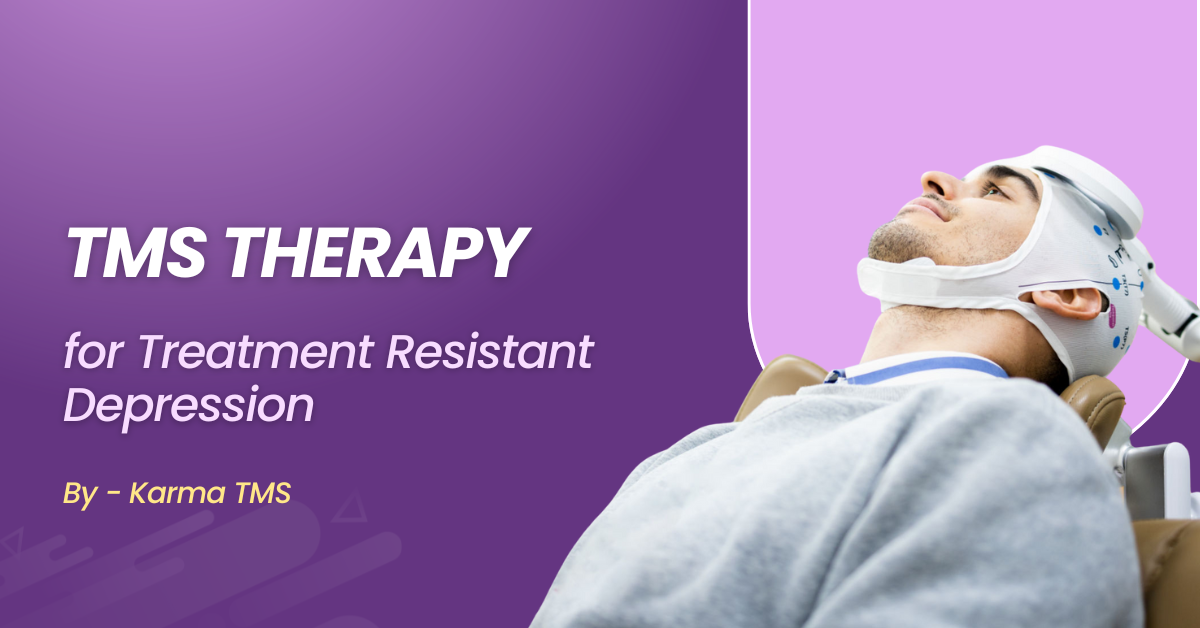
TMS for Treatment-Resistant Depression
When antidepressants aren't enough, TMS offers evidence-backed hope.
Read More
Is Depression a Disability?
Understanding legal rights, treatment options, and support resources for depression.
Read More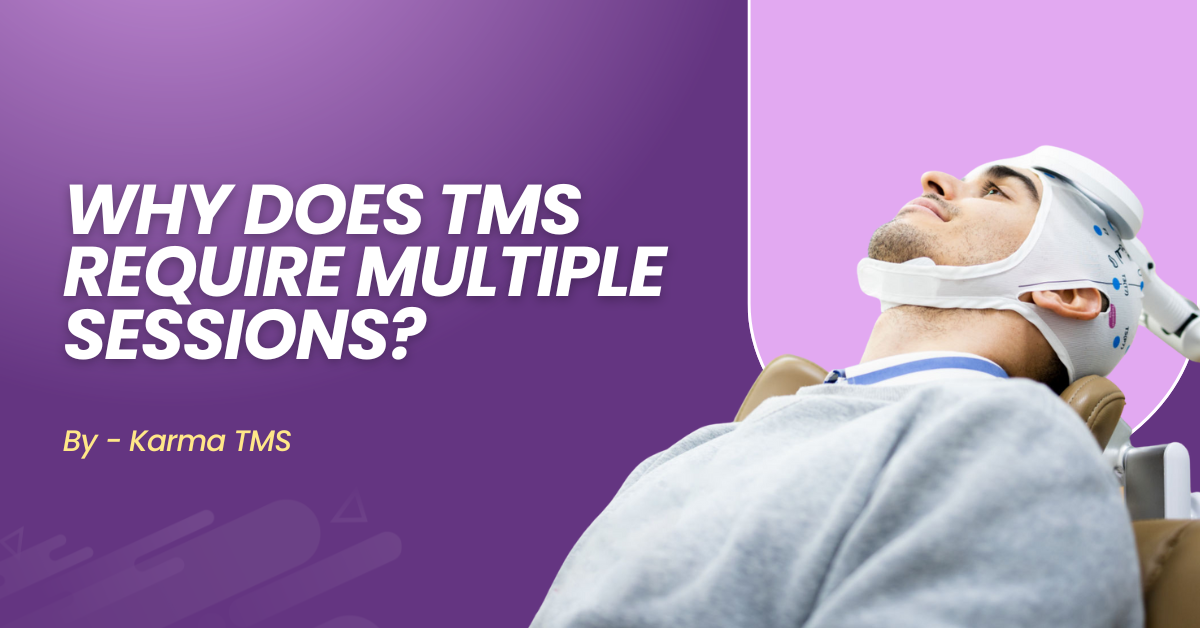
How Long Does TMS Take to Work?
A week-by-week guide to what to expect during TMS treatment.
Read More
About the Author
Dr. Keerthy Sunder
Board-Certified Psychiatrist | KarmaTMS
Dr. Keerthy Sunder is a board-certified psychiatrist specializing in TMS therapy and integrative psychiatry. He is passionate about bringing advanced, evidence-based treatments to the Palm Springs community to help patients achieve lasting mental wellness.