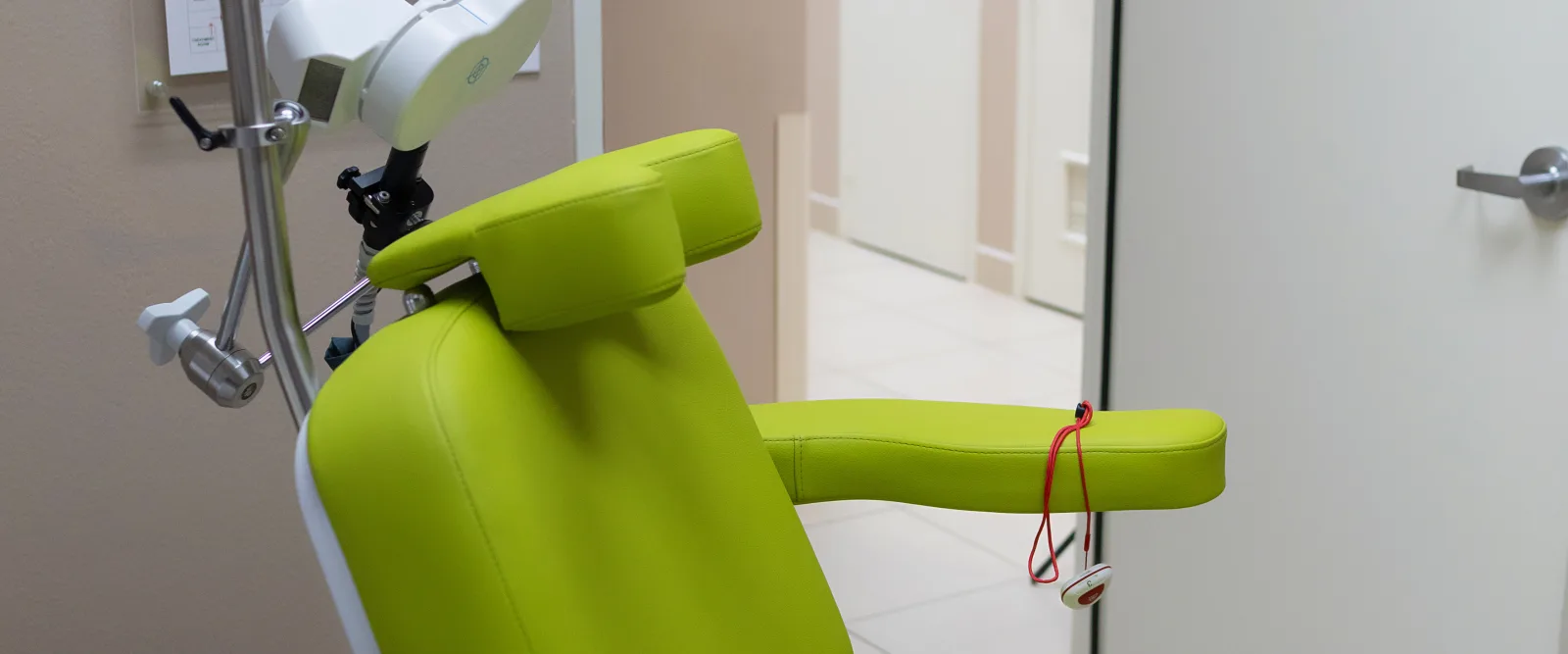
Transcranial Magnetic Stimulation (TMS) has emerged as a groundbreaking, FDA-cleared treatment for individuals struggling with severe conditions. Whether you are seeking relief from Major Depressive Disorder (MDD), chronic anxiety disorders, or Obsessive-Compulsive Disorder (OCD), finding a treatment that actually works is paramount. Because it is non-invasive and drug-free, TMS is exceptionally safe for the vast majority of patients. It completely bypasses the systemic issues associated with standard pharmacological routes.
However, like any medical procedure, it is not suitable for everyone. To guarantee patient safety, medical professionals evaluate candidates against specific criteria called **contraindications**. In this guide, we will break down who should avoid TMS, the difference between absolute and relative contraindications, how it relates to other treatments like personalized Repetitive TMS (prTMS), and what safety checks you can expect at our clinic.
What Are Contraindications?
In medical terms, a **contraindication** is a specific situation, condition, or factor that serves as a reason to withhold a medical treatment due to the harm that it would cause the patient. It represents a strict safety boundary designed to prevent adverse events.
When evaluating patients for TMS at Karma TMS Palm Springs or Rancho Mirage, our medical team categorizes contraindications to decide if a patient is a good candidate for TMS therapy.
Contraindications are divided into two main categories:
Absolute Contraindications
Conditions that make a treatment completely unsafe. Under no circumstances should a patient receive the treatment if an absolute contraindication is present. Doing so poses immediate risks of severe injury or device failure.
Relative Contraindications
Conditions that increase risk, but where the benefit may outweigh the risk. Treatment can proceed with caution, adjustment, or extra monitoring. A psychiatrist will perform a personalized risk assessment.
Absolute Contraindications: Who Cannot Get TMS?
The primary absolute contraindications for TMS therapy relate to the presence of **non-removable metallic implants in or near the head**. Because TMS works by generating a powerful local magnetic field, any ferromagnetic metal within 30 centimeters (approx. 12 inches) of the magnetic coil can react.
Absolute Contraindications Include:
- Aneurysm clips or coils: Magnetic fields can heat or displace these delicate implants, risking life-threatening vessel damage.
- Cochlear implants: The magnetic pulses can permanently damage the electronics of the implant, causing hearing device failure or tissue discomfort.
- Deep Brain Stimulators (DBS): Magnetic induction can cause unexpected electrical currents in the DBS electrodes, leading to brain tissue heating or injury.
- Metallic fragments or shrapnel: Ferromagnetic metal fragments in the eyes, face, or skull could shift during stimulation. This is highly relevant for veterans who may have historic metal fragment exposure (see TMS for Veterans).
- Vagus Nerve Stimulators (VNS): Implants near the neck or chest may malfunction due to magnetic induction from the head coil.
Dental braces, fillings, bridges, and crown implants are typically made of non-ferromagnetic alloys and do NOT preclude you from receiving TMS therapy. However, any magnetic or electronic implants in the head or neck area are strict barriers.
Relative Contraindications: Proceeding with Caution
Relative contraindications do not automatically disqualify a candidate. Instead, they require a board-certified psychiatrist to perform a comprehensive clinical assessment. Many patients with relative contraindications are safely treated with adjustments to the treatment protocol.
Conditions Requiring Careful Evaluation:
- History of Seizures or Epilepsy: Because TMS stimulates brain tissue, it carries a minuscule risk of inducing a seizure (about 1 in 30,000 treatments, which is lower than the seizure risk of many common oral antidepressants). Patients with active epilepsy or history of unprovoked seizures require strict precautions.
- Seizure-Threshold Lowering Medications: Certain medications, including high doses of stimulants, tricyclic antidepressants, or sudden withdrawal from alcohol or benzodiazepines, lower the seizure threshold. Undergoing active medication management is essential to monitor these interactions.
- Severe Traumatic Brain Injury (TBI): A history of recent brain trauma, stroke, or neurosurgery alters the brain's excitability and structural integrity, requiring custom safety protocols.
- Cardiac Pacemakers or ICDs: While these are located in the chest and are far from the head coil, care must be taken to ensure the magnetic field does not interfere with their electronic pacing.
- Bipolar Disorder: In patients with Bipolar Disorder, TMS (like antidepressants) carries a small risk of inducing a switch from depression into mania. Careful observation and mood-stabilizing medications are used to mitigate this.
The Science: Why Does Metal React with TMS?
According to the Wikipedia entry on Transcranial Magnetic Stimulation, the procedure operates on the principles of **electromagnetic induction** (discovered by Michael Faraday).
When the TMS coil is activated, it generates a magnetic pulse that passes through the skull. If this magnetic field encounters a conductive metal implant, it can induce local electric currents inside the metal itself. This induction leads to two primary issues:
- Thermal Heating: Induced currents can heat the metallic implant, potentially causing localized thermal damage to surrounding brain tissue.
- Displacement Forces: Ferromagnetic metals are physically attracted to the magnet, which can apply physical force or torque, risking displacement of crucial implants (like aneurysm clips).
- Signal Corruption: Electromagnetic pulses can interfere with the battery and circuitry of electronic implants, causing them to shut down or malfunction.
To avoid these hazards, physicians screen all patients using high-sensitivity questionnaires and review full medical histories before starting a TMS course.
Contraindications vs. Side Effects: Understanding the Difference
It is common for patients to confuse **contraindications** (reasons why you should not receive a treatment at all) with **side effects** (mild, temporary reactions to a treatment).
While a contraindication prevents you from undergoing TMS, side effects are merely things you might experience during or after a session. As discussed in our article, Is TMS Therapy Safe?, typical side effects are mild and transient, including:
- A light tapping sensation on the scalp during treatment.
- Mild, temporary scalp discomfort at the stimulation site.
- A mild headache during the first week of sessions, which easily responds to over-the-counter pain relievers.
Because TMS is completely non-systemic, it does not cause the common side effects of oral medications, such as weight gain, nausea, sexual dysfunction, or brain fog.
What to Expect During the Safety Screening
At Karma TMS, safety is our highest priority. Before you can begin your first treatment session, you will undergo a comprehensive screening process:
Step 1: Detailed Medical Questionnaire
We ask direct questions about any past surgeries, metal implants, pacemakers, shrapnel exposure, or piercings that cannot be removed. Knowing your surgical history is vital to ensuring a safe experience.
Step 2: Clinical Assessment
Our medical director, Dr. Keerthy Sunder, will review your mental health history, medication list, and overall neurological health to confirm whether you are a candidate. We also verify insurance coverage to help navigate payment (see TMS Insurance Coverage).
Step 3: Personalized Mapping
If cleared, we proceed with brain mapping to determine your precise treatment coordinates and motor threshold. For patients choosing personalized TMS (prTMS), we perform regular qEEG maps to fine-tune the magnetic frequency matching your natural brainwaves.
Because a full TMS course requires daily attendance for several weeks, understanding the schedule is critical. You can read more about why this frequency is required in our article, Why TMS Requires Multiple Sessions.
Is TMS Therapy Safe? Key Facts
Risk of seizure (extremely rare across clinical trials)
Non-systemic (no weight gain or sexual side effects)
Anesthesia or sedation required during sessions

About the Author
Dr. Keerthy Sunder
Board-Certified Psychiatrist | KarmaTMS
Dr. Keerthy Sunder is a board-certified psychiatrist specializing in TMS therapy and integrative psychiatry. He is passionate about bringing advanced, evidence-based treatments to the Palm Springs community to help patients achieve lasting mental wellness.
Frequently Asked Questions
Is TMS Right for You?
Speak with our medical specialists to verify your eligibility and find the safest path to mental wellness.
Related Articles
Is TMS Therapy Safe?
Explore the safety profile, common side effects, and clinical safety record of Transcranial Magnetic Stimulation.
Read MoreWho Is a Good Candidate?
Learn who is best suited for TMS, including diagnostic guidelines, success predictors, and criteria.
Read MoreTMS Therapy Pros & Cons
A balanced look at the key benefits, side effects, costs, and timeline of TMS therapy.
Read More