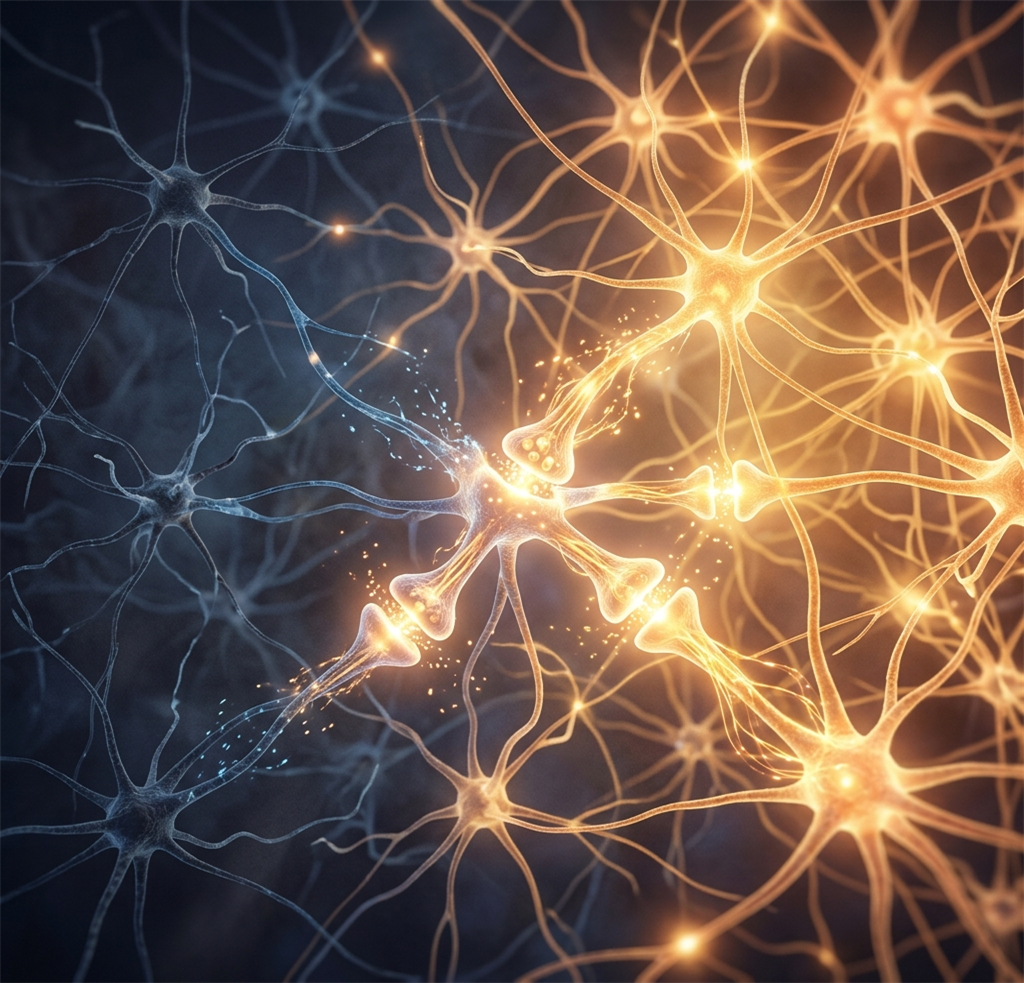
You tried the first antidepressant. Then a second. Maybe a third and a fourth. Each time, hope — then disappointment. If this sounds familiar, you may have been told you have treatment-resistant depression. The label is technically accurate, but it is also misleading. You are not resistant because of something wrong with you. You are resistant because medication was never the right tool for your specific brain.
This guide — written by a board-certified psychiatrist — explains the neurological reason TMS therapy succeeds where multiple antidepressants have failed. By the end you will understand why these are fundamentally different interventions, and why the failure of medication does not predict the failure of TMS. Curious if you might be a good candidate? Take our 2-minute TMS quiz to find out.
The Real Problem with Antidepressants (It's Not the Drugs)
Antidepressants are not bad medications. For the right patient — first-episode depression, mild-to-moderate severity, no prior treatment failures — SSRIs and SNRIs remain effective first-line treatments. The problem arises when they are used as the only tool for a problem they were not fully designed to solve.
The serotonin-deficiency model of depression — the idea that low serotonin causes depression and raising it fixes it — was always an oversimplification. Decades of research have made it clear that depression is a disorder of neural circuit function, not simply a chemical imbalance. Antidepressants can modulate the neurochemical environment, but they cannot directly repair dysfunctional prefrontal circuitry. When your depression has reached this point, medication hits a ceiling.
"When a patient tells me four antidepressants haven't worked, I'm not thinking about which fifth medication to try. I'm thinking about what's happening at the circuit level that medication can't reach — and how to address it directly." — Dr. Keerthy Sunder, Board-Certified Psychiatrist
Why Antidepressants Stop Working — Or Never Start
1. The Circuit Problem Runs Deeper Than Chemistry
In treatment-resistant depression, neuroimaging consistently shows structural and functional abnormalities in the dorsolateral prefrontal cortex (DLPFC) — reduced gray matter volume, decreased metabolic activity, and impaired connectivity with the limbic system. No oral medication can reverse structural hypoactivity in a cortical region. SSRIs can flood the synapse with serotonin, but they cannot make an underperforming prefrontal circuit fire more efficiently.
2. The Distribution Barrier
Oral antidepressants are systemic drugs. They enter the bloodstream, partially cross the blood-brain barrier, and distribute throughout the entire central nervous system. The therapeutic dose reaching any specific cortical region is only a fraction of the total administered. The rest acts on serotonin receptors throughout the gut, cardiovascular system, and other brain regions — which is precisely why side effects like GI upset, sexual dysfunction, weight change, and emotional blunting are so common.
3. Receptor Tolerance and Tachyphylaxis
With long-term antidepressant use, the brain compensates for increased serotonin availability by downregulating receptor sensitivity — effectively reducing its own response to the drug. This is why many patients who respond well initially find that the medication "stops working" after months or years.
The STAR*D Trial Finding: The largest antidepressant effectiveness study ever conducted found that after four adequate antidepressant trials, the cumulative remission rate is only about 67%. Patients who fail three or more adequate trials have less than a 10–14% chance of responding to another antidepressant.
How TMS Is Fundamentally Different
TMS bypasses the bloodstream, the gut, and the blood-brain barrier entirely. A focused magnetic field passes through the skull and induces a targeted electrical current directly in a specific cortical region — the left DLPFC. The neurons there are activated directly and precisely, without any systemic drug exposure.
Over a full course of treatment, repeated stimulation triggers long-term potentiation (LTP) — the same mechanism by which the brain forms new memories and learns new skills. Synaptic connections in the DLPFC and between the prefrontal cortex and the limbic system grow stronger and more efficient. The circuit that was structurally underperforming is physically retrained to function better.
This is not chemistry. This is neuroplasticity. The brain is being directly re-educated at the cellular and circuit level — something no pill can accomplish. To understand exactly what happens during a session, read our deep dive into your brain on TMS.
The Circuit Problem That Medication Can't Solve
The left DLPFC governs the brain's capacity for top-down emotional regulation — its ability to modulate the amygdala's threat responses, sustain motivation, and maintain cognitive flexibility. In treatment-resistant depression, this circuit is not just chemically imbalanced; it is functionally impaired in ways that persist regardless of neurotransmitter levels. The same circuit dysfunction underlies many cases of chronic anxiety and explains why simple medication adjustments often fail.
Think of it this way: antidepressants are like adjusting the fuel mixture in an engine. TMS is like rebuilding the engine block. One addresses the running conditions; the other addresses the structural component that has been compromised. When the structural component is the problem, adjusting the fuel mixture has limits.
What Changes in the Brain with TMS
- Increased metabolic activity and gray matter density in the left DLPFC
- Restored functional connectivity between DLPFC and amygdala
- Normalized default mode network activity (overactive in rumination)
- Strengthened prefrontal-limbic regulatory pathways via LTP
- Reduced hyperactivity in the subgenual cingulate cortex — the region central to TRD
TMS vs. Antidepressants: A Direct Comparison
| Factor | Antidepressants | TMS Therapy |
|---|---|---|
| Mechanism | Systemic neurotransmitter modulation | Direct focal cortical stimulation |
| Target | Serotonin receptors throughout CNS | Left DLPFC specifically |
| Systemic side effects | Common (GI, sexual, weight, sleep) | None — no systemic exposure |
| Sedation | Frequent | None |
| Works via neuroplasticity | No | Yes — LTP-driven circuit change |
| Response rate in TRD | 10–14% after 3+ failures | ~58% response, ~37% remission |
| Duration of benefit | Requires continuous use | Months to years post-treatment |
| Insurance coverage | Typically covered after 1 failure | Covered after 2–4 failures |
Who Qualifies for TMS After Failed Antidepressants?
Insurance coverage for TMS — including Medicare, Tricare, Medi-Cal, and major commercial plans — typically requires documentation of two to four adequate antidepressant trials (correct dose, sufficient duration of at least 4–6 weeks) without meaningful clinical response. See our full insurance and pricing breakdown for plan-specific details.
The clinical picture that most strongly predicts benefit from TMS includes:
1 Confirmed MDD Diagnosis
Major Depressive Disorder diagnosis (primary or secondary to another condition) from a qualified mental health professional.
2 Documented Medication Failure
Two or more adequate antidepressant trials (correct dose, 4–6 weeks duration) without meaningful remission.
3 Medical Eligibility
No active seizure disorder, no metallic implants in the head, and no current manic or psychotic episode.
4 Treatment Commitment
Willingness to commit to 5 sessions per week for 4–6 weeks. Karma TMS handles all insurance pre-authorization at no cost.
Can You Use TMS Alongside Your Current Medication?
Yes — and in many cases, combining TMS with medication management produces better outcomes than either approach alone. This is one of the key advantages Karma TMS offers: our board-certified psychiatrists do not just deliver TMS, they provide comprehensive medication oversight throughout your treatment course. Patients can also explore PrTMS — a personalized version of TMS guided by qEEG brain mapping.
- TMS + current SSRI/SNRI: Many patients continue their medication during TMS. The neuroplastic changes from TMS can restore the brain's sensitivity to medication that had previously lost effectiveness.
- TMS + dosage optimization: Sometimes the issue is not the medication class but the regimen. Our psychiatrists review and optimize the pharmaceutical component alongside TMS.
- TMS as bridge to medication taper: Some patients use TMS to achieve remission and then — under psychiatric supervision — gradually reduce their medication burden over time.
Frequently Asked Questions
Conclusion
The failure of multiple antidepressants does not mean the failure of TMS. They are fundamentally different interventions targeting different aspects of the same disorder. If medication has not worked for you, there is a clear neurological reason — and there is a treatment that addresses that reason directly.
At Karma TMS, our board-certified psychiatrists serve Palm Springs, Rancho Mirage, Twentynine Palms, and the entire Southern California desert region. We handle the full insurance pre-authorization process at no cost to you before your first appointment. Want to verify your benefits or learn about our brain-mapping protocol? We are here to help.
Antidepressants Haven't Worked. TMS Might.
Schedule a free consultation with our board-certified psychiatrists and find out if TMS is right for your specific brain.
Related Articles
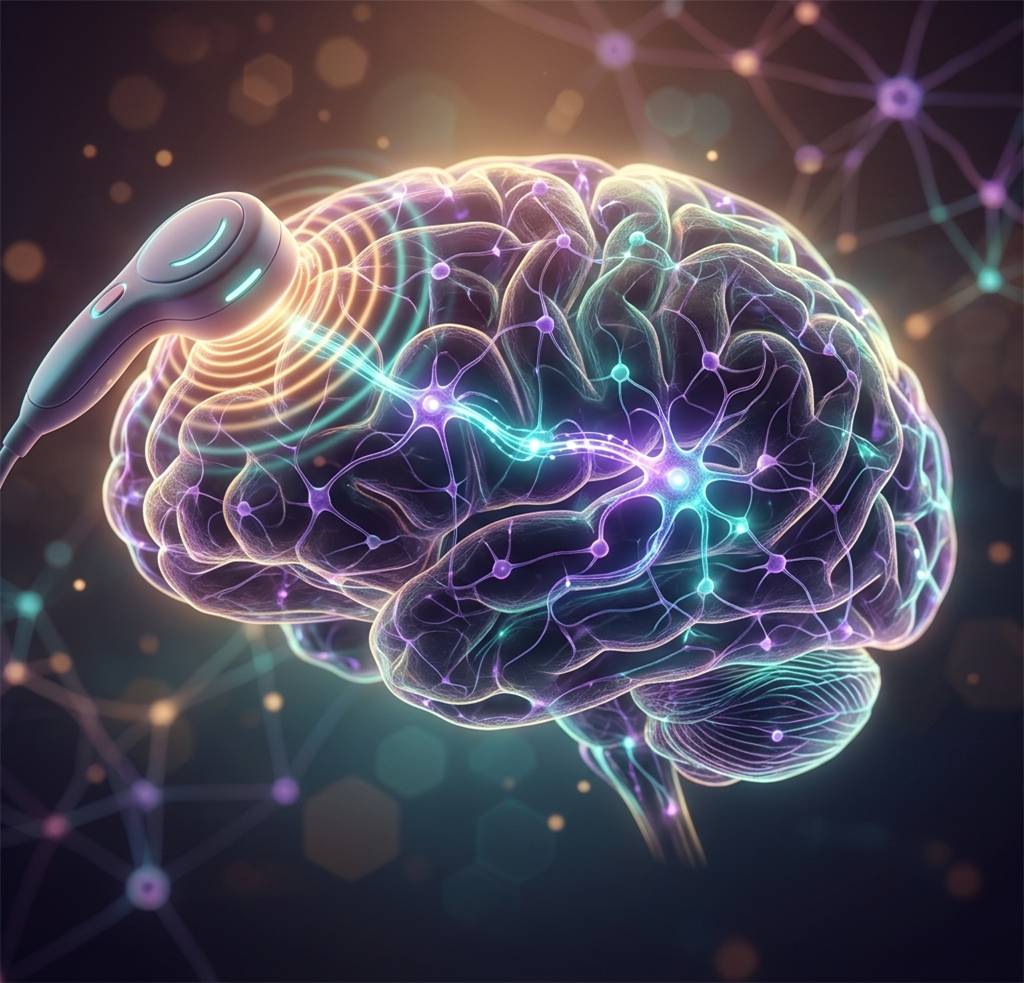
Your Brain on TMS
What actually happens during those 20 minutes — explained in plain English.
Read More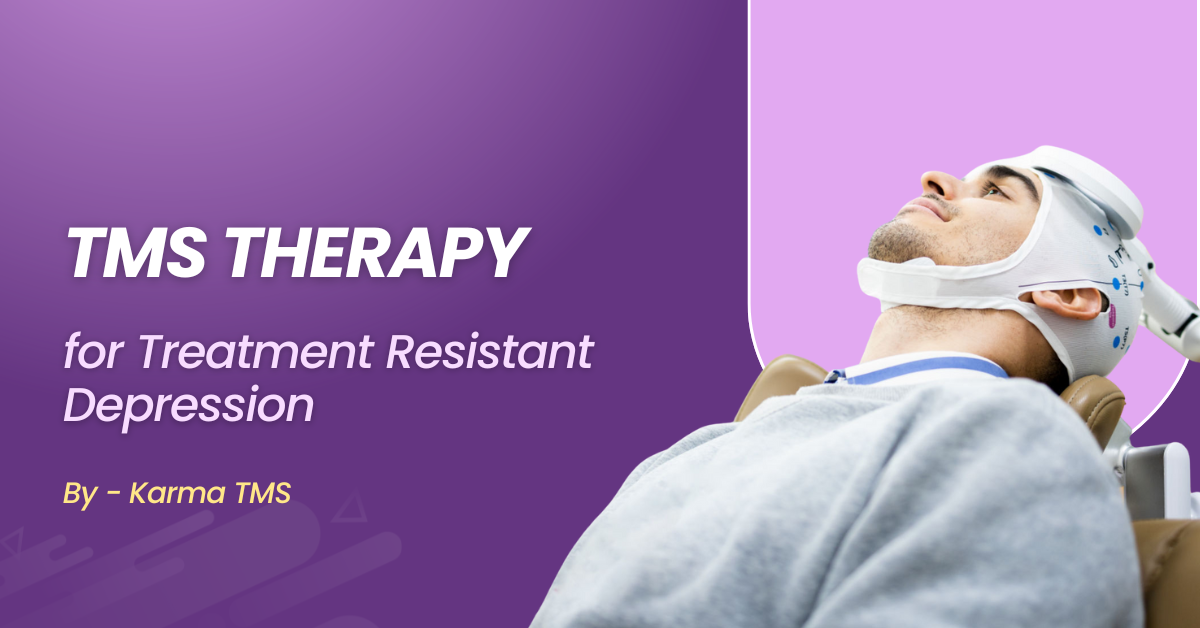
TMS for Treatment-Resistant Depression
A complete guide to TMS as a solution for medication-resistant depression.
Read More
Is TMS Covered by Insurance?
Coverage details, eligibility requirements, and what insurance pays for TMS.
Read More
About the Author
Dr. Keerthy Sunder
Board-Certified Psychiatrist | KarmaTMS
Dr. Keerthy Sunder is a board-certified psychiatrist specializing in TMS therapy and integrative psychiatry. He is dedicated to helping patients in Southern California find lasting relief from depression, anxiety, and treatment-resistant mental health conditions.