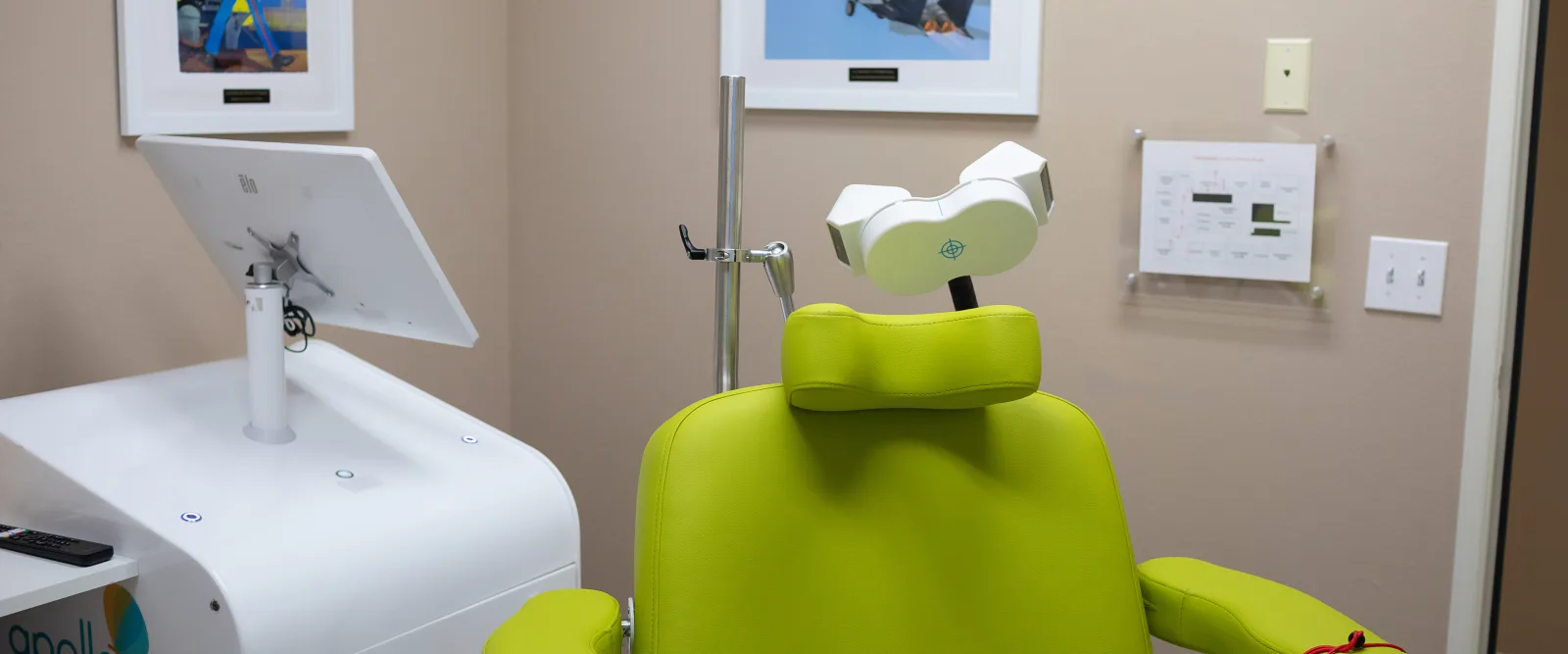
If you've been researching TMS therapy for depression, you may have come across concerns: "Can TMS therapy make depression worse?" It's a valid question, especially when considering a treatment that directly affects your brain. At Karma TMS, we believe informed patients make better decisions—and transparency builds trust.
The short answer: While temporary fluctuations in mood can occur during TMS treatment, long-term worsening of depression from TMS is extremely rare. In fact, TMS is one of the most well-studied, FDA-cleared treatments for depression with an excellent safety profile. Let's explore what the science actually says.
Understanding How TMS Works
Before addressing whether TMS can make depression worse, it's important to understand what TMS therapy actually does to your brain.
Transcranial Magnetic Stimulation uses focused magnetic pulses to stimulate specific areas of the prefrontal cortex—the brain region responsible for mood regulation. Unlike antidepressant medications that work systemically throughout your body, TMS targets exactly where the problem originates.
Think of it like rehabilitation for your brain. Just as physical therapy might cause temporary soreness as muscles heal and strengthen, TMS can sometimes cause temporary adjustments in how your brain processes emotions during the early stages of treatment.
Key Fact
Clinical studies show that 50-70% of patients with treatment-resistant depression experience significant improvement with TMS therapy. Less than 1% report any lasting negative effects.
Can You Feel Worse Before Feeling Better?
This is perhaps the most common source of anxiety for patients considering TMS. The phenomenon is sometimes called the "lag effect"—the time between starting treatment and experiencing its benefits.
Some patients report feeling slightly more anxious, irritable, or emotionally sensitive during the first 1-2 weeks of TMS treatment. This is not the same as "making depression worse." Here's why:
-
Temporary Adjustment Period
Your brain is literally rewiring itself. Neuroplasticity—the brain's ability to form new neural connections—takes time. During this adjustment phase, some patients may experience mood fluctuations that typically resolve within the first two weeks.
-
Heightened Awareness
As depression begins to lift, you may become more aware of emotions you've been suppressing. This increased emotional sensitivity is actually a sign that TMS is working—your brain is reconnecting with feelings it had numbed.
-
Expectation vs. Reality
Some patients expect immediate results. When improvement doesn't happen overnight, they may interpret this as the treatment "not working" or making things worse. Be sure to discuss realistic TMS timelines with your provider.
Good News
Studies consistently show that any initial worsening of symptoms is temporary and typically resolves within the first 2 weeks of treatment. Most patients report significant improvement by week 3-4.
When You Should Be Concerned
While temporary fluctuations are normal, there are certain situations that warrant immediate attention from your TMS provider or psychiatrist:
| Normal (Not Concerning) | Contact Your Provider |
|---|---|
|
|
|
|
|
|
|
|
|
|
Important Safety Note
If you experience thoughts of self-harm or suicide at any point during TMS treatment, contact emergency services (988 Suicide & Crisis Lifeline) immediately. While TMS itself is not associated with increased suicidal ideation, depression itself can include these thoughts—this is a medical emergency regardless of treatment.
TMS Safety Profile: What Research Shows
Let's address the question directly: Can TMS therapy make depression worse in the long term? The evidence strongly suggests no.
FDA-Cleared Since 2008
TMS received FDA clearance for treatment-resistant depression after extensive clinical trials demonstrating both safety and efficacy.
No Systemic Effects
Unlike medications, TMS doesn't enter your bloodstream, so there are no systemic side effects like weight gain, sexual dysfunction, or fatigue.
No Cognitive Impact
Unlike ECT (electroconvulsive therapy), TMS does not cause memory loss, confusion, or cognitive impairment.
Non-Invasive
No surgery, no implants, no anesthesia. You remain fully awake and can drive yourself to and from appointments.
The most comprehensive review to date, published in JAMA Psychiatry, analyzed data from over 200 clinical trials and found that TMS was associated with minimal adverse effects, with most side effects being mild and self-limiting.
Managing Your TMS Treatment Expectations
The key to having a positive TMS experience is setting realistic expectations. Here's what most patients experience during their TMS treatment journey:
-
Week 1-2: Adjustment Phase
Some patients may feel slightly more anxious or experience mild headaches. This is normal and typically resolves. Stay committed to the treatment plan.
-
Week 2-4: Early Improvements
Most patients begin noticing subtle improvements in sleep, energy, and mood. These gains often continue to build over time.
-
Week 4-6: Significant Changes
Clinical improvements typically become more pronounced. Many patients report substantial relief from depressive symptoms by the end of their treatment course.
-
Post-Treatment: Maintenance
Results can last 6-12 months or longer. Some patients benefit from occasional maintenance sessions. Learn more about TMS durability.
Questions to Ask Your TMS Provider:
- What side effects should I expect during the first two weeks?
- When should I expect to see improvements?
- What should I do if I feel worse instead of better?
- Are there any warning signs that require immediate attention?
- What does your clinic do to monitor patient progress?

About the Author
Dr. Keerthy Sunder
Board-Certified Psychiatrist | KarmaTMS
Dr. Keerthy Sunder is a board-certified psychiatrist specializing in TMS therapy and integrative psychiatry. He is passionate about bringing advanced, evidence-based treatments to the Palm Springs community to help patients achieve lasting mental wellness.
Frequently Asked Questions
Have More Questions About TMS?
Our Palm Springs team is here to address your concerns and help you make an informed decision about TMS therapy.
Related Articles
Is TMS Therapy Safe?
Learn about the comprehensive safety profile of TMS therapy and what to expect during treatment.
Read MoreHow Long Does TMS Take to Work?
Get a week-by-week breakdown of what to expect during your TMS treatment journey.
Read MoreWhy TMS Works When Antidepressants Don't
Understand the neuroscience behind why TMS succeeds where traditional medications fail.
Read More