When people search for alternatives to psychiatric medications, one central question naturally arises: how safe is TMS for depression treatment? For individuals living with major depressive disorder (MDD) or treatment-resistant depression, finding a therapy that delivers substantial clinical relief without debilitating side effects can be life-changing.
Transcranial Magnetic Stimulation (TMS) is an FDA-cleared, non-invasive therapy that uses gentle magnetic pulses to stimulate underactive brain networks responsible for mood regulation. Unlike traditional antidepressants, which must circulate through your entire bloodstream and affect multiple organ systems, TMS therapy acts locally on the brain. As a result, it carries none of the systemic side effects that lead so many patients to discontinue medications—such as chronic weight gain, sexual dysfunction, chronic fatigue, nausea, or emotional blunting.
In this comprehensive, physician-guided review from Dr. Keerthy Sunder and the psychiatric team at Karma TMS in Palm Springs, we examine the clinical safety profile of TMS therapy, analyze peer-reviewed risk data, compare its tolerability against oral antidepressants, and highlight the protocols that ensure patient safety every day across the Coachella Valley.
At a Glance: How Safe Is TMS for Depression Treatment?
For search engines and patients seeking direct, evidence-based answers, here is the executive clinical summary of TMS therapy safety from our board-certified psychiatric center:
The Clinical Safety Profile of TMS Therapy
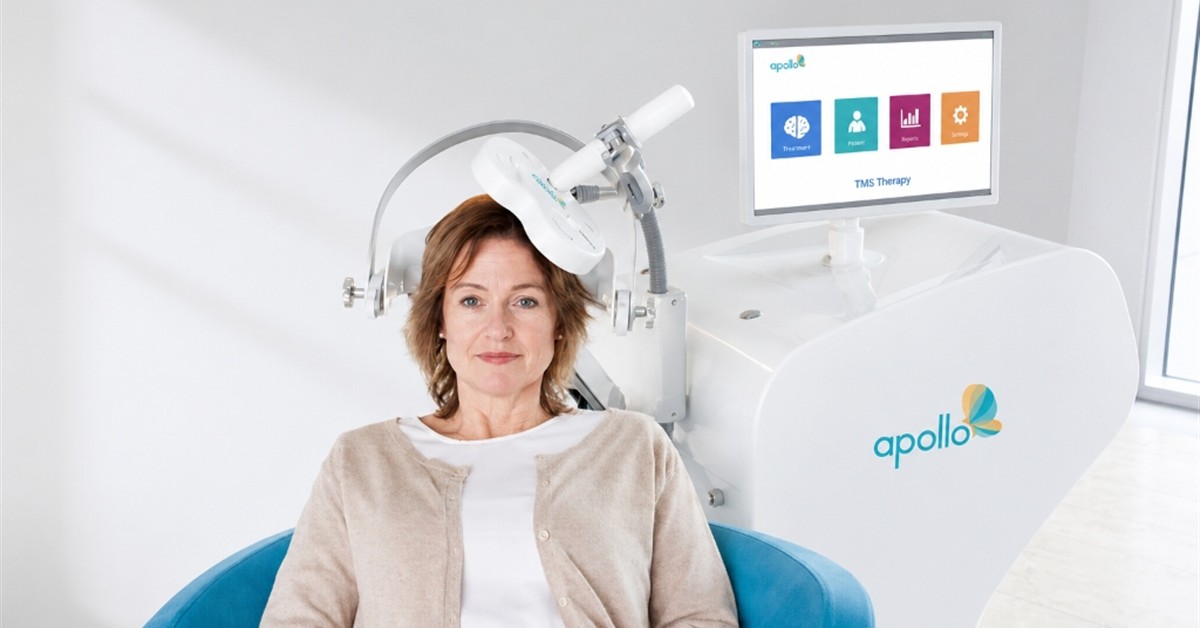
To truly understand how safe is TMS for depression treatment, one must first understand how the technology works. Transcranial Magnetic Stimulation operates using Faraday’s principle of electromagnetic induction—the same basic physical principle behind MRI scans. A specialized treatment coil is positioned gently over the patient's scalp, delivering highly focused, repetitive magnetic pulses into the left dorsolateral prefrontal cortex (DLPFC).
In people suffering from clinical depression, neural activity and glucose metabolism in the DLPFC and connected limbic circuits are noticeably diminished. TMS gently stimulates these hypometabolic neurons, promoting the release of key neurotransmitters (serotonin, dopamine, and norepinephrine) and triggering long-term potentiation (LTP). This biological process fosters neuroplasticity, enabling the brain to rebuild healthy neural networks over a standard 4 to 7-week treatment course. For a deeper look at timeline expectations, explore our article on how long TMS therapy lasts.
Crucially, according to documentation archived on Wikipedia's Transcranial Magnetic Stimulation clinical repository, the magnetic pulses only penetrate approximately 1.5 to 2.5 centimeters into cortical tissue. The energy is localized and does not radiate through the rest of the body, internal organs, or systemic circulation. This local mechanism explains why TMS avoids virtually all the whole-body toxicity associated with long-term psychotropic medications.
Key Regulatory and Safety Milestones
- 2008 FDA Clearance: The U.S. Food and Drug Administration officially cleared TMS for adult patients with Major Depressive Disorder who failed to achieve satisfactory improvement from prior antidepressant medication.
- Expanded Clinical Approvals: Subsequent FDA clearances have recognized TMS for obsessive-compulsive disorder (OCD), migraine headaches, smoking cessation, and anxious depression.
- Clinical Practice Guidelines: The American Psychiatric Association (APA), the Canadian Network for Mood and Anxiety Treatments (CANMAT), and the UK National Institute for Health and Care Excellence (NICE) recommend TMS as a first-line or second-line intervention for treatment-resistant mood disorders.
What Are the Common Side Effects of TMS Therapy?
While TMS has an exceptional safety profile, it is a medical procedure, and mild, transient physical sensations can occur. Over 95% of side effects reported in clinical trials are mild to moderate, localized strictly to the treatment site, and resolve spontaneously shortly after each session finishes.
Here is a realistic breakdown of what patients may experience during the first week or two of care:
Scalp Discomfort or Tingling (Most Common)
During active stimulation, patients feel a rhythmic tapping or clicking sensation against the scalp. Because the scalp contains sensitive nerve endings, early sessions may feel strange or slightly uncomfortable. In virtually all cases, the scalp adapts within 5 to 10 treatment sessions as the sensory threshold acclimates.
Mild Tension Headache
Roughly one-third of patients experience a mild, dull tension headache following their first few daily sessions. These headaches typically dissipate within 30 to 45 minutes and respond promptly to common over-the-counter pain relievers such as acetaminophen or ibuprofen.
Temporary Facial Muscle Twitching
Because magnetic pulses can stimulate nearby peripheral nerves that control superficial facial muscles, patients may observe mild involuntary eyelid or jaw twitching during pulse trains. This is completely harmless, occurs only while pulses are firing, and stops instantly between trains.
Auditory Clicking Noise
The TMS device produces an audible clicking sound similar to a woodpecker or mechanical typewriter as electromagnetic coils discharge. To protect your hearing and ensure complete acoustic comfort, all patients are provided with disposable foam earplugs before every session.
Importantly, patient dropout rates in TMS clinical trials due to adverse events are remarkably low—typically under 3% to 5%, compared to over 20% to 35% in clinical trials for oral antidepressant medications. For a detailed discussion on what patients experience during mood fluctuations, read our article on whether TMS therapy can temporarily make depression worse.
Rare Risks: The Truth About TMS and Seizures
Whenever medical professionals discuss how safe is TMS for depression treatment, patient questions regarding serious complications must be answered transparently. The single most serious potential risk associated with Transcranial Magnetic Stimulation is an accidental induced seizure.
However, extensive clinical post-marketing surveillance data covering millions of sessions worldwide shows that the actual incidence of seizures during TMS is extraordinarily low:
The Real Clinical Seizure Statistics
The overall seizure risk during therapeutic repetitive TMS (rTMS) is estimated at less than 0.1% of patients (fewer than 1 in 10,000 to 1 in 30,000 individual treatment sessions).
To put this number into perspective, standard oral antidepressants—including selective serotonin reuptake inhibitors (SSRIs), serotonin-norepinephrine reuptake inhibitors (SNRIs), and particularly bupropion (Wellbutrin)—carry a documented seizure induction risk between 0.1% and 0.4%. Thus, receiving TMS therapy carries a seizure risk that is equal to or lower than taking commonplace oral psychiatric prescriptions.
Debunking Common TMS Safety Myths
-
Myth 1: "TMS causes memory loss or cognitive impairment."
The Clinical Fact: TMS does not impair memory. Patients confused TMS with Electroconvulsive Therapy (ECT). ECT intentionally induces generalized grand mal seizures under general anesthesia, which can lead to retrograde amnesia. In contrast, TMS is highly focused and awake. Clinical neuropsychological testing consistently proves that TMS preserves memory, and many patients report dramatic improvements in concentration, executive function, and memory retention as depressive brain fog lifts. -
Myth 2: "TMS changes your core personality."
The Clinical Fact: TMS cannot alter your personal values, identity, or memories. It merely reactivates underactive neuronal pathways that have been dampened by chronic depressive pathology, allowing your authentic self, emotional range, and energy to re-emerge. -
Myth 3: "TMS uses dangerous electrical shock."
The Clinical Fact: TMS uses magnetic fields, not electrical shocks. No current passes through the skin or scalp. To learn more about this distinction, explore our guide on is TMS shock therapy? The truth about TMS vs. ECT.
Have Concerns About TMS Safety?
Speak directly with Dr. Keerthy Sunder and our board-certified clinical team in Palm Springs. We provide comprehensive safety screenings and personalized consultations.
TMS vs. Antidepressants: Safety & Tolerability Comparison
For many individuals asking how safe is TMS for depression treatment, the true benchmark is comparison against daily antidepressant pharmacotherapy. Many individuals have endured multiple failed drug trials—a condition known as treatment-resistant depression—and suffered debilitating drug side effects along the way.
The table below illustrates why Transcranial Magnetic Stimulation represents such an advantageous safety profile when compared to standard oral antidepressants (SSRIs, SNRIs, and tricyclics):
| Safety Dimension | Oral Antidepressants (SSRIs/SNRIs) | TMS Therapy (rTMS / PrTMS) |
|---|---|---|
| Unwanted Weight Gain | Common (15%–30% of patients gain significant weight) | Zero impact (0% metabolic alteration) |
| Sexual Dysfunction | Frequent (35%–70% report loss of libido or dysfunction) | Zero impact (0% sexual side effects) |
| Sedation & Brain Fog | Common daytime drowsiness, fatigue, or blunting | None; patients feel alert and clear-headed |
| Gastrointestinal Distress | Frequent nausea, constipation, or diarrhea | None (does not pass through the GI tract) |
| Withdrawal / Discontinuation | Severe discontinuation syndrome if stopped abruptly | Zero chemical dependence or withdrawal |
| Organ Burden (Liver/Kidneys) | Processed by liver and renal metabolic pathways | Zero systemic load on organs |
| Treatment Duration | Often lifelong daily administration required | Finite 6 to 7-week acute course with lasting relief |
For an in-depth clinical analysis of why TMS succeeds when pharmaceuticals fail, see our guide on the reason TMS works when antidepressants don't, as well as our balanced overview of TMS therapy pros and cons.
Who Can Safely Receive TMS—And Who Should Avoid It?
TMS is remarkably safe for the vast majority of adult patients seeking relief from depression. However, because TMS generates strong magnetic fields, specific safety contraindications exist to protect patients from potential physical harm.
Absolute Contraindications
The primary absolute contraindication for TMS is the presence of ferromagnetic metal or implanted medical devices located in or near the head (within 30 centimeters of the treatment coil). Powerful magnetic pulses could cause metallic objects to heat up, vibrate, or dislodge, or cause sensitive electronic devices to malfunction:
- Ferromagnetic aneurysm clips or coils in the brain
- Cochlear implants or auditory brainstem implants
- Implanted deep brain stimulators (DBS) or vagus nerve stimulators (VNS)
- Metallic fragments, shrapnel, or bullet wounds near the skull
- Implanted electrodes or intracranial monitoring leads
What About Dental Fillings, Braces, or Titanium Plates?
Standard dental fillings, crowns, dental implants, orthodontic braces, and surgical titanium cranial plates or screws are non-magnetic and completely safe for TMS therapy. They do not react to magnetic fields and do not disqualify you from treatment.
Relative Contraindications & Precautions
Certain conditions require thorough psychiatric evaluation and specialized calibration before initiating care:
- History of Epilepsy or Unprovoked Seizures: Individuals with active seizure disorders are typically screened cautiously, as magnetic stimulation could potentially trigger an event.
- Traumatic Brain Injury (TBI) or Recent Stroke: Severe structural brain lesions may alter electric field propagation or lower seizure thresholds.
- Active Substance Withdrawal: Sudden withdrawal from alcohol, benzodiazepines, or sedatives lowers seizure thresholds.
- Pregnancy: TMS is non-systemic and increasingly used as a safer alternative to antidepressant medications during pregnancy, though treatment must always be coordinated with your obstetrician and psychiatrist.
For an extensive medical list of exclusionary criteria, read our dedicated clinical guide on TMS therapy contraindications: who should avoid TMS and who is a good candidate for TMS therapy.
Clinical Safety Protocols: How Patient Safety Is Ensured During Treatment
At Karma TMS, patient safety and clinical excellence are our highest priorities. Led by Dr. Keerthy Sunder, a dual board-certified psychiatrist with extensive neuroscience expertise, our clinics in Palm Springs and serving Rancho Mirage and Palm Desert uphold rigorous medical protocols at every stage of care:
Comprehensive Pre-Screening
Every prospective patient undergoes a detailed psychiatric and neurological evaluation to review medical history, identify implants, evaluate medication regimens, and confirm clinical eligibility.
Precision Brain Mapping
During your initial session, we conduct precise motor threshold determination and brain mapping to calibrate the exact magnetic energy needed for your unique neuroanatomy.
Personalized Low-Energy Protocols
In addition to standard rTMS, we offer PrTMS (Personalized repetitive TMS), which uses quantitative EEG brainwave analysis to deliver ultra-gentle, low-amplitude pulses tailored to your brain's intrinsic frequency.
Continuous Certified Technician Presence
A certified TMS technician stays in the treatment room with you throughout every single session, monitoring comfort levels, coil positioning, and vital parameters in real-time.
This meticulous commitment to individualized care ensures that your treatment experience is not only clinically transformative, but also exceptionally comfortable and secure. Discover how our center compares among the top TMS clinics in Palm Springs.
Final Thoughts: Making an Informed, Confident Choice for Depression Care
When evaluating how safe is TMS for depression treatment, the medical verdict across more than 18 years of clinical FDA clearance and real-world psychiatric practice is resounding: Transcranial Magnetic Stimulation stands as one of the safest, most thoroughly researched, and best-tolerated therapies in modern psychiatry.
For millions of people, clinical depression is an exhausting, heavy burden compounded by years of trial-and-error with prescription antidepressants that bring unwanted side effects—from persistent fatigue and digestive problems to sexual dysfunction and emotional blunting. TMS offers a paradigm shift. Because it is non-systemic and non-invasive, it addresses the neurobiological source of depression directly in the brain without circulating through your bloodstream or straining other bodily organs.
A Message from Dr. Keerthy Sunder
"Depression often robs patients not just of their joy, but also of their agency. Many come to our Palm Springs clinic feeling defeated after experiencing unbearable medication side effects. Our primary goal with TMS—and especially personalized neuromodulation like PrTMS—is to provide a clinically proven, safe, and gentle environment where the brain can heal naturally, allowing patients to regain their clarity, vitality, and peace of mind."
Whether you are considering standard repetitive TMS or individualized PrTMS therapy, entering treatment with complete confidence begins with open dialogue. Our team at Karma TMS conducts comprehensive safety screenings to ensure that every patient is a safe candidate, tailors treatment parameters with pinpoint precision, and stays with you at every step of your recovery.

About the Author
Dr. Keerthy Sunder
Board-Certified Psychiatrist | Karma TMS
Dr. Keerthy Sunder is a board-certified psychiatrist specializing in Transcranial Magnetic Stimulation (TMS), neuromodulation, and integrative mental health care. He is dedicated to providing compassionate, scientifically-proven treatments to patients throughout Palm Springs and the Coachella Valley.
Frequently Asked Questions About TMS Safety
Here are answers to the most common safety questions asked by patients considering Transcranial Magnetic Stimulation for depression:
Ready to Experience Safe, Lasting Relief from Depression?
You don't have to navigate chronic depression alone or settle for debilitating medication side effects. Schedule a free, no-obligation consultation with Karma TMS in Palm Springs today.
Related Articles
Is TMS Therapy Safe?
Discover how this FDA-cleared treatment works, its safety profile, and why it's a safe option for depression.
Read More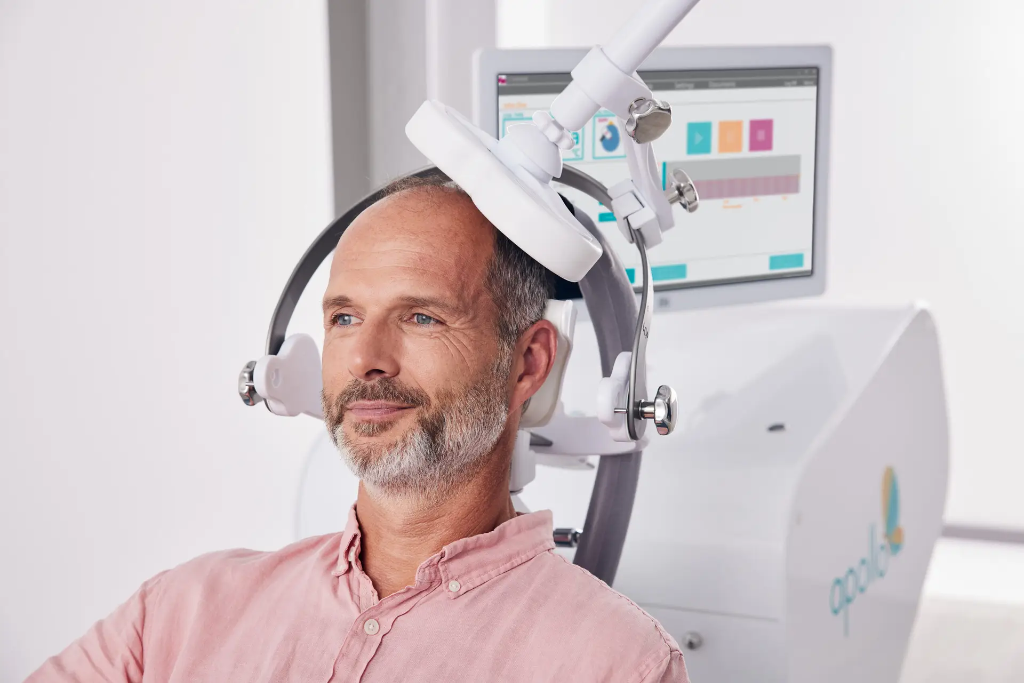
How Long Does TMS Therapy Last?
Learn about treatment course duration, session length, and the long-term durability of TMS remission.
Read More
TMS Therapy Pros and Cons
Compare benefits, side effects, costs, and commitment to decide if TMS therapy is right for you.
Read More